Lonesome George
 Iceland
Birthday
+1910
Birth Sign
Birthplace
Pinta Island
Age
Died at 102
About
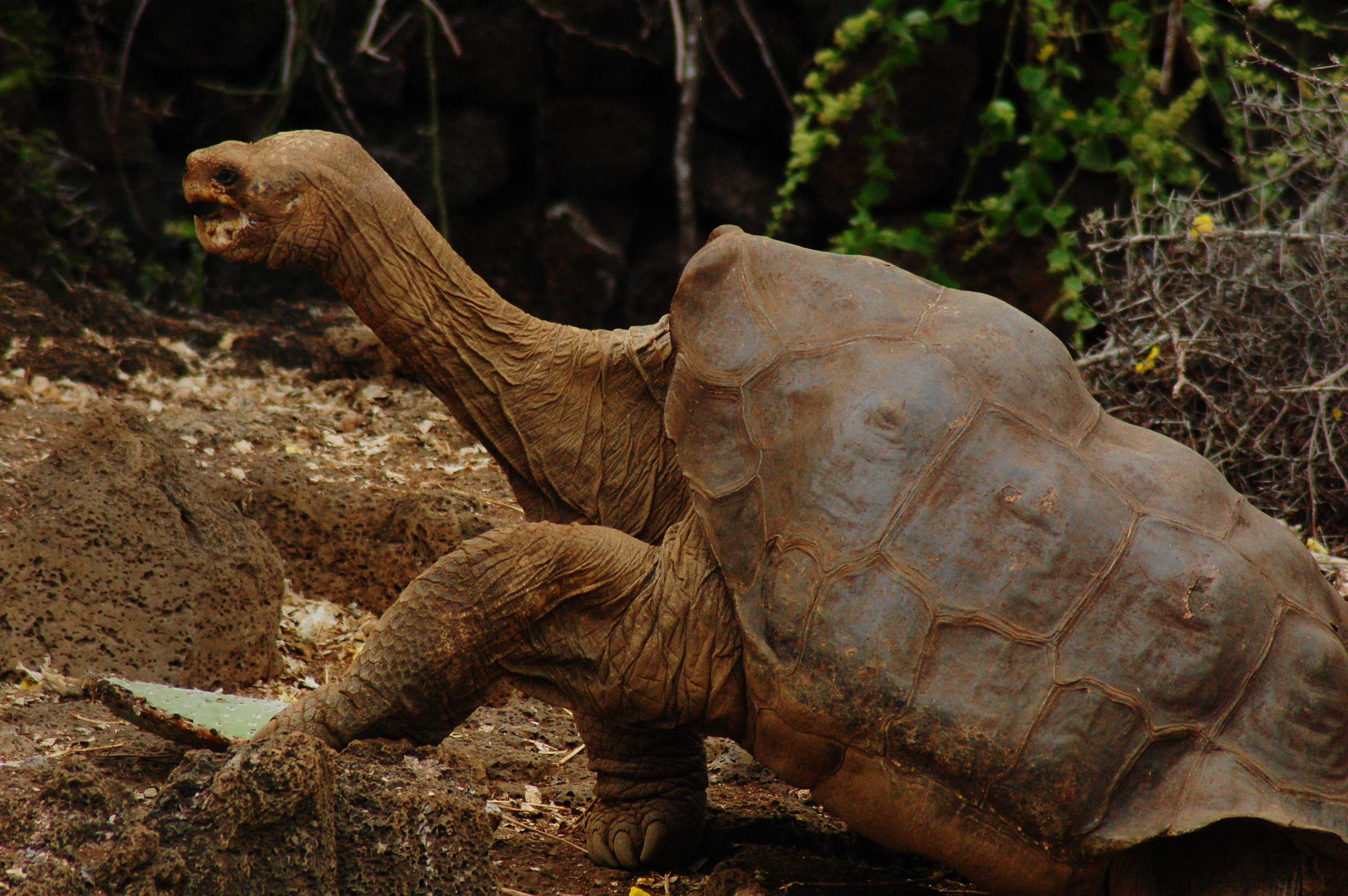
Born around 1910 on Pinta Island in the Galápagos, Lonesome George lived a life that would eventually define conservation history. He belonged to the subspecies Chelonoidis niger abingdonii and carried the weight of an entire lineage alone. Scientists discovered him in 1971 when they found only one adult male remaining from his group. His solitary existence made him the rarest creature on Earth during his final decades.
Death & Aftermath
Died
+2012-06-24 (aged 102)
Death Place
Santa Cruz Island, Galápagos, Ecuador
Cause of Death
Natural causes
The announcement that the last of his kind had passed sent a wave of global mourning, with tributes pouring in from figures like Sir David Attenborough and institutions worldwide. This immediate reaction cemented Lonesome George's status as the ultimate symbol of extinction, triggering a surge in donations to the Galápagos Conservancy and the Charles Darwin Foundation while educational institutions observed moments of silence. Researchers from the Charles Darwin Research Station and the Galápagos National Park Directorate confirmed the event on June 25, 2012, after failing to locate him during their morning routine following reports that he had not appeared for feeding or interaction with caretakers on June 24.
He was found dead in his corral at the Tortoise Breeding and Rearing Center on Santa Cruz Island within the Galápagos National Park. While his exact age remains unknown, he was estimated to be over 100 years old based on his birth around 1910. The cause of death was officially ruled as natural causes, coroner's inquest, or police investigation, as the animal died alone in its enclosure without signs of foul play or trauma. A formal funeral or public memorial service did not take place, consistent with protocols for wildlife specimens managed by the Ecuadorian government. Instead, his body was preserved taxidermically to serve as an educational tool and a permanent reminder of extinction.
He is currently on display at the American Museum of Natural History in New York City, where he has been exhibited since July 2013. Posthumously, DNA tests revealed hybrid descendants on Isabella Island in November 2012, leading to ongoing efforts to identify purebred individuals for potential reintroduction. A film titled "Lonesome George" and various books have documented his life, while scholarships and foundations dedicated to Galápagos conservation now bear his name.
Awards & Accolades
Keywords
Quick Facts
- Born
- +1910
- Birthplace
- Pinta Island
- Died
- +2012-06-24
- Death Place
- Puerto Ayora
Join the community
fans discussing