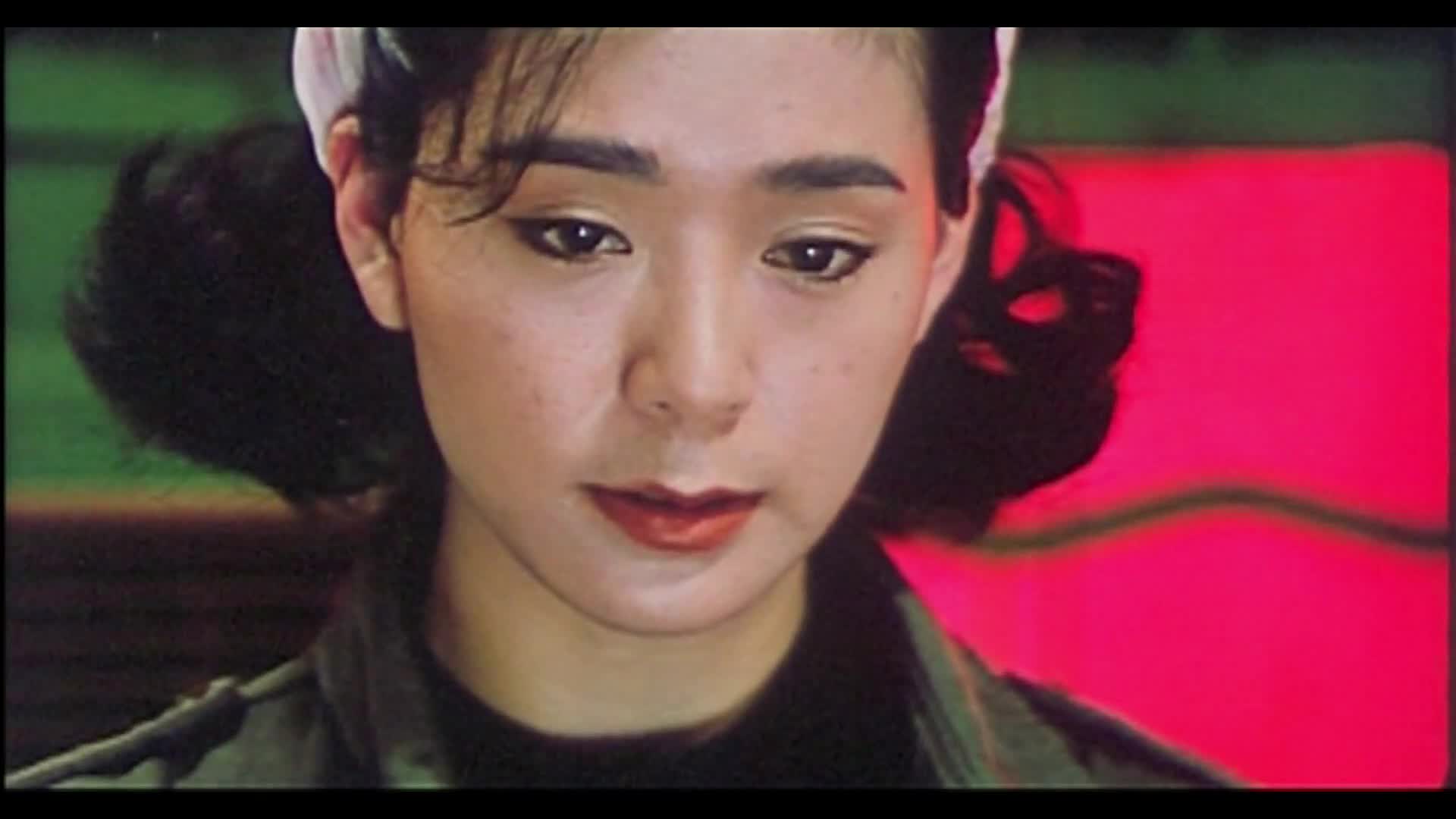
Lo Ta-yu
 Taiwan
singer-songwriter•composer•singer
Also known as: Lo Tayou, Ta-yu Lo, Luo Da-You
Birthday
July 20, 1954
Birth Sign
Cancer
Birthplace
Taipei, Taiwan
Age
72 years old
About
Lo Ta-yu is a Taiwanese singer-songwriter, composer, and producer widely regarded as the godfather of Chinese pop music. Born in Taipei in 1954, he first trained as a physician before turning to music, and his debut album in 1982 changed the course of Mandopop. Over four decades, he has released a string of influential records that blend folk, rock, and social commentary, earning him a devoted following across Taiwan, Hong Kong, and mainland China.
His songs often grapple with political identity, social justice, and personal freedom, delivered with a wry, sometimes cynical edge. Though some of his work was banned in certain markets, it only grew in stature. Lo remains active, touring and recording into his seventies, and his influence on younger generations of Chinese-language musicians is unmatched.
Early Life & Background
Lo Ta-yu grew up in post-war Taipei, a city caught between traditional Chinese values and the influx of Western culture. His father was a doctor, and the family expected him to follow suit. He attended Mackay Medical College, but during his studies he discovered a passion for music, influenced by 1950s American rock and roll and the campus folk song movement that was emerging in Taiwan.
While still in medical school, Lo began writing his own songs, often drawing on the social tensions he saw around him. He graduated and practiced as a physician for a short time, but the pull of music proved stronger. In the late 1970s, he made the pivotal decision to abandon medicine and pursue a full-time career in songwriting, a move that would reshape his life and the landscape of Chinese pop.
Career Growth
Lo Ta-yu's breakthrough came in 1982 with his debut album Yi Zhi Shi (Only You), which introduced a new sound, melodic folk with razor-sharp lyrics about love and society. The album was a hit and established him as a bold new voice. The following year, he released The Orphan of Asia, a landmark work that tackled Taiwan's uncertain political identity and became an anthem for a generation.
Throughout the 1980s and 1990s, Lo continued to push boundaries. Albums like A City Called Shanghai (1988) and Rush (1991) cemented his reputation as a fearless commentator. Despite censorship in both Taiwan and mainland China, his music found a massive audience. He also ventured into film, acting in movies like Election (2005) and The Heroic Trio (1993). In 2023, he completed a world tour of over 50 concerts, proving his enduring appeal.
Career Timeline
Public Image & Style
Lo Ta-yu is seen as the conscience of Chinese pop, a thoughtful, sometimes cynical observer who never shies from difficult questions. His public persona is that of an intellectual rocker, more comfortable with a guitar than a red carpet. He is known for his sharp wit and his willingness to speak truth to power, even when it costs him.
Fans, who call themselves "Dayou fans," celebrate his legacy through tribute concerts and online forums. His social media presence is understated but engaged, with occasional posts about new projects or political statements. To many, he represents a golden era of Taiwanese music, when songwriters could shape the national conversation.
Fame & Fandom
Lo Ta-yu commands a unique place in the cultural landscape, revered not as a fleeting pop star but as a generational anchor for Chinese-speaking audiences. His fanbase is diffuse yet deeply influential, spanning decades of listeners across Taiwan, Hong Kong, and the diaspora who have grown up with his music. Unlike modern idol groups that cultivate organized clubs with specific names, Lo's followers operate without a formal collective identity, simply identifying as fans of the artist known affectionately as Dayou. This lack of a structured fandom name reflects an era before the rise of organized digital fan communities, resulting in a constituency defined by shared reverence rather than membership rolls or coordinated campaigns. There are no documented birthday billboard drives or streaming chart pushes; instead, the audience engages through sustained concert attendance and the passing down of his discography to younger generations. In terms of global standing, iFANN has evaluated Lo Ta-yu and determined that he does not currently hold a placement in the published Global Top 1,000 rankings. While his influence on the music industry remains profound, with many contemporary artists citing him as their primary inspiration, the metrics used to calculate current global fame do not place him within the top tier of ranked personalities at this time. He remains active, with recent world tours drawing sold-out crowds, yet the data indicates no current rank position. The scale of his reach is evident in the sheer number of live performances and the enduring presence of his catalog, but the specific numerical hierarchy places him outside the current scope of the top-ranked lists.
Interesting Facts and Legends
Lo Ta-yu is instantly recognizable by his iconic beard and glasses, a look that has become synonymous with his artistic persona. He once made international headlines in 2011 by burning his U.S. passport to protest American interference in Taiwan, a dramatic gesture reflecting his principled stance. An avid collector of vintage guitars, his personal stash reportedly includes rare models from the 1950s. Despite his massive stature, he remains famously private about his personal life, often revealing a dry sense of humor only during stage banter. Fans know him as Dayou, a nickname that has endured since his early days. Beyond these facts, legends surround his musical contributions. He is widely called the godfather of Chinese pop, a title earned after his 1982 debut revolutionized the genre with socially conscious rock. His song The Orphan of Asia stands as a defining cultural document, capturing the geopolitical anxiety of Taiwan and remaining relevant in political discourse decades later. Another legendary moment occurred in 2019 when he released Pearl of the Orient on his birthday, transforming it into an anthem for Hong Kong amidst a period of unrest. These stories cement his status as more than just a musician, but a chronicler of history.
Notable Quotes
“Music is a way to connect people, to break down walls.”
“I would rather lose my citizenship than compromise my principles.”
“The best songs are the ones that ask questions, not give answers.”
“I am not a rebel without a cause; I am a rebel with a guitar.”
Family & Personal Life
Lo Ta-yu's father was a physician, and his family expected him to follow the same path. He has spoken little about his parents or siblings, but it is known that his family valued education and stability. Lo's own household today is centered on his wife, Lee Lieh, whom he married in the 1980s. The couple has no public record of children. They live in Taipei, where Lo continues to work on music and cultural projects. He has occasionally mentioned that his wife has been a steadying presence through the ups and downs of his career.
Notable Connections
Lo Ta-yu has collaborated with many prominent figures in Chinese-language music and film. He worked with director Johnnie To on Election, and appeared alongside Tony Leung Chiu-wai. His music has been covered by countless artists, from the late Teresa Teng to contemporary stars like Jay Chou, who have cited him as an influence.
Relationships & Dating History
Lo Ta-yu has been married to Lee Lieh since the 1980s. The couple has kept their relationship largely out of the spotlight, but they are known to be a stable pair. There have been no public reports of infidelity or divorce, and they remain together as of 2026.
Before his marriage, little is known about Lo's dating history, as he has always been private about such matters. He has never been linked to any other high-profile partners, and his long marriage is a testament to his commitment to his personal life.
- MarriedLee Lieh1980 - presentCurrentLong-standing marriage, details private.
Salary, Net Worth In 2026
$50 Million
iFANN Editorial Team estimate
Per iFANN's editorial analysis, Lo Ta-yu's net worth is estimated at $50 Million as of 2026. This figure reflects a career built on decades of music royalties, lucrative concert tours, and strategic licensing deals. His extensive catalog of songs, now regarded as classics, continues to generate steady income through streaming platforms and countless covers by other artists. Beyond his musical output, Lo has supplemented his earnings through film appearances and shrewd real estate investments in Taiwan. In recent years, his world tours have served as major revenue drivers, featuring sold-out shows across Asia and North America that demonstrate his enduring commercial appeal. While he maintains strict privacy regarding his financial affairs, industry observers note that his estate is well-managed and continues to grow steadily.
Awards Won (4)
Lo Ta-yu has received numerous honors throughout his career, including induction into the Golden Melody Awards Hall of Fame. He has won multiple Golden Melody Awards for his albums and songs, and has been recognized for his contributions to Taiwanese culture. In 2011, he was awarded the National Cultural Award, one of Taiwan's highest honors.
1990 · Best Album
A City Called Shanghai
1992 · Best Composer
Rush
Known For
The Orphan of Asia
1983 · Album
Yi Zhi Shi
1982 · Album
Election
2005 · Actor
Keywords
Sources
Quick Facts
- Profession
- singer-songwriter, composer, singer
- Born
- July 20, 1954
- Birthplace
- Taipei, Taiwan
- Gender
- Male
- Spouse
- Lee Lieh
- Birth Sign
- Cancer
Personal Details
- Full Name
- Lo Ta-yu
- Spouse
- Lee Lieh
- Education
- Mackay Medical College
Filmography
10
Total
8
Film
2
TV
Frequently Asked Questions
What is Lo Ta-yu's birthdate?
Is Lo Ta-yu still active in music?
Who is Lo Ta-yu's spouse?
Did Lo Ta-yu ever practice medicine?
Why did Lo Ta-yu burn his U.S. passport?
Similar People


Join the community
fans discussing