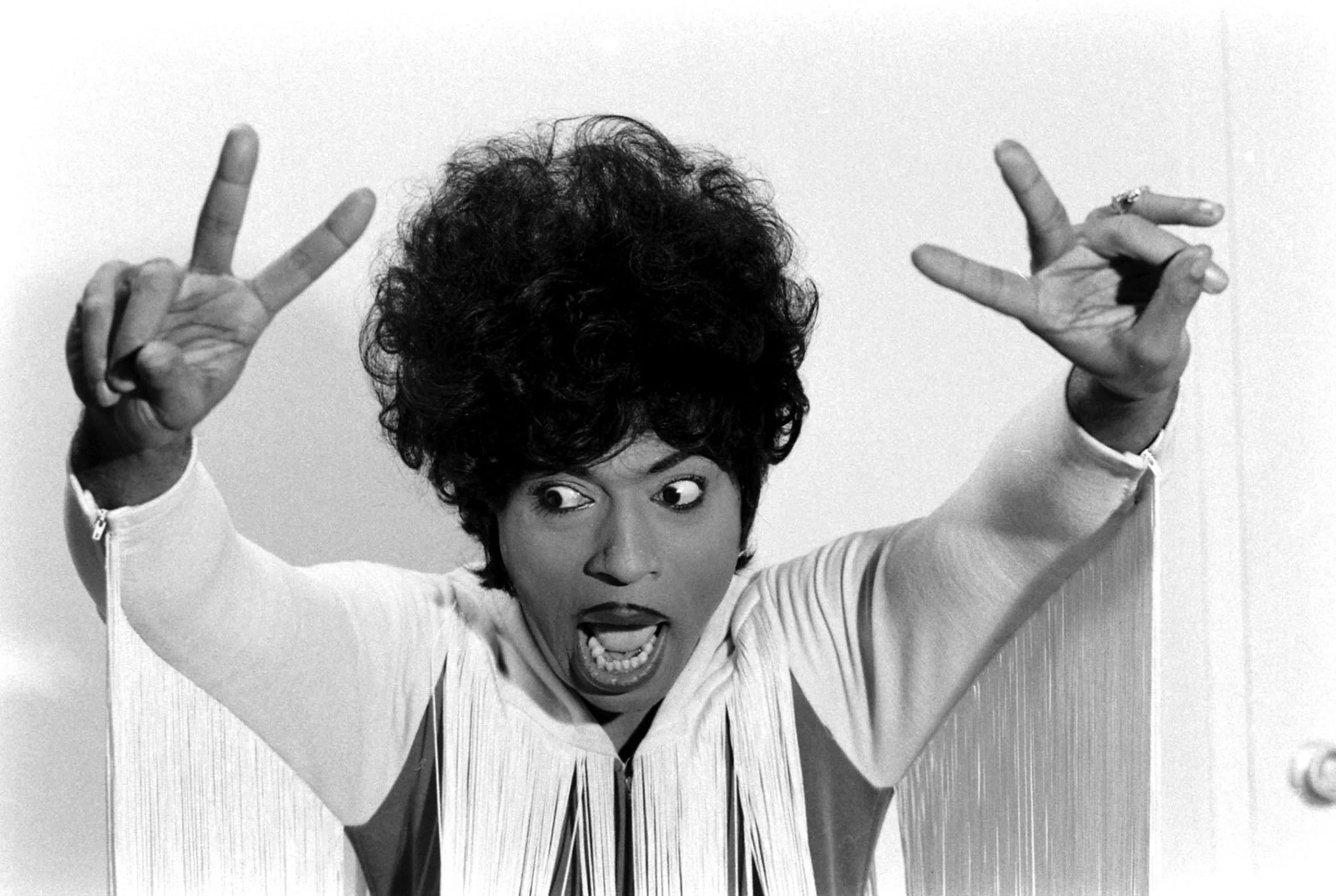
Little Richard
 Georgia
Also known as: Dick Penniman, Little Willie Rich
Birthday
December 5, 1932
Birth Sign
Sagittarius
Birthplace
Macon, Georgia
Age
Died at 87
Height
5 ft 9 in (175 cm)
About
Richard Wayne Penniman, known professionally as Little Richard, was an American singer, songwriter, and pianist whose career spanned seven decades. He is widely revered as the "Architect of Rock and Roll," a title reflecting his foundational role in shaping the genre's sound, style, and attitude during the mid-1950s. His frenetic piano playing, pounding backbeats, raspy vocals, and flamboyant showmanship challenged racial and sexual norms of the era, creating a new language for popular music that influenced soul, funk, and rhythm and blues for decades.
His breakthrough came in 1955 with the recording of Tutti Frutti, which became an instant crossover hit reaching both R&B and pop charts. This success launched a string of fifteen major hits in under three years, including Long Tall Sally and Rip It Up. Despite this commercial dominance, Richard abruptly retired from secular music in 1962 to become an ordained minister, believing his lifestyle was sinful. He toured exclusively with gospel groups for several years before returning to rock and roll in 1970 following pressure from managers and a shifting cultural landscape.
Recognition for his contributions arrived steadily throughout his life. He was inducted into the inaugural class of the Rock and Roll Hall of Fame in 1986 and received the Grammy Lifetime Achievement Award in 1993. The Library of Congress added Tutti Frutti to the National Recording Registry in 2009, citing its unique vocal style. Little Richard died on May 9, 2020, leaving behind a legacy that remains etched in every rock band that followed, built on the raw power he unleashed on stage.
Early Life & Background
Richard Wayne Penniman was born on December 5, 1932, in Macon, Georgia, into a household marked by poverty and strict religious discipline. His father worked as a preacher and carpenter while his mother served as a domestic worker. Raised in a deeply conservative environment, young Richard displayed a precocious interest in music from an early age, learning to play the organ at the local church. This early exposure to gospel music laid the foundation for his future dynamic vocal style and rhythmic sensibilities.
He attended Macon High School but left before graduating to pursue his musical ambitions. In his early twenties, he began performing in rhythm and blues bands across the South, most notably with Billy Wright's band. During this period, he developed the signature stage persona that would soon captivate audiences worldwide. Before his solo breakthrough, he worked various jobs to support himself, including a stint as a dishwasher on a Greyhound bus line. It was during one of these shifts that he famously wrote the lyrics to what would become his first major hit, using a piece of paper and a pencil found nearby.
His journey to stardom was not immediate. He spent years honing his craft in small venues, refining the wild piano riffs and explosive energy that would define his career. The transition from a regional performer to a national icon required more than just talent; it demanded a willingness to break boundaries in a segregated society. His time in the South provided the grit and authenticity that would later resonate with audiences across the country, setting the stage for a revolution in American music.
Career Growth
Little Richard's professional breakthrough occurred in 1955 when he recorded Tutti Frutti for Specialty Records. The song became an instant crossover hit, reaching both R&B and pop charts and effectively breaking down racial barriers in American music. This was followed by a string of fifteen major hits in under three years, including Long Tall Sally, Rip It Up, Good Golly, Miss Molly, Jailhouse Rock (which he wrote), and Lucille. These songs defined the rock and roll sound, influencing peers like Elvis Presley, Buddy Holly, and Chuck Berry.
In 1962, at the height of his commercial success, Richard abruptly retired from secular music to become an ordained minister, believing his lifestyle was sinful. He toured exclusively with gospel groups for several years. However, the cultural shift of the late 1960s and pressure from managers eventually led him to return to rock and roll in 1970. He experienced a resurgence in popularity during the 1970s and 1980s, appearing in films like The Blues Brothers and collaborating with artists such as Elton John and Paul McCartney.
Throughout the 1990s and 2000s, he continued to receive accolades for his contributions. He was inducted into the Rock and Roll Hall of Fame in 1986 as part of the inaugural class, followed by honors from the Songwriters Hall of Fame in 1992. In 2002, he performed at the Kennedy Center Honors, and in 2009, the Library of Congress placed Tutti Frutti in the National Recording Registry. His influence remained palpable until his death in 2020, with posthumous projects continuing to celebrate his work.
Career Timeline
Public Image & Style
Little Richard is portrayed as the "Wild Man of Rock and Roll," a figure of rebellion, creativity, and spiritual complexity. His media image evolved from a controversial, flamboyant rocker to a respected elder statesman of music who embraced his faith and identity. His aesthetic remains iconic, influencing fashion and gender expression in popular culture. Known for his sequined jumpsuits, heavy makeup, pompadour hairstyles, and exaggerated stage movements, he challenged the gender norms of his time. His public persona was a blend of divine fervor and earthly excess, making him a unique and enduring figure in American history.
Fame & Fandom (iFAMOUS Rankings)
iFANN has not yet collected fame data for this person. While his historical impact is undeniable, no current ranking exists in the iFANN Global Fame Rankings database as of August 2026. Fans generally refer to themselves as "Little Richard fans" or "Rock and Roll historians." There is no single, universally recognized official fandom name like "Beyhive" or "Swifties." Fan organizations are largely informal, centered around tribute bands, historical societies, and local festivals in Macon. Annual birthday celebrations on December 5th and the Little Richard Festival serve as the primary fan gatherings. During his lifetime, Richard interacted directly with fans, often signing autographs and engaging in conversation. Posthumously, the estate manages fan interactions through official channels.
Interesting Facts and Legends
Little Richard wrote the lyrics to Tutti Frutti while working as a dishwasher on a Greyhound bus line, using a scrap of paper and a pencil. In a famous story, he threw his wedding rings into the sea after deciding to dedicate his life fully to God, symbolizing his break from secular life. He once opened for the Beatles in Hamburg, Germany, in 1962, introducing them to the raw energy of rock and roll. Reports from the 1950s describe fans fainting in the aisles during his concerts due to the intensity of his performance. In 1965, he was nearly shot by a police officer during a performance in Mississippi, an incident that highlighted the dangers faced by Black performers in the segregated South.
Notable Quotes
“I'm the architect of rock and roll.”
“I didn't invent rock and roll, I just played it.”
“God is love, and I am a sinner.”
“If you don't know what you're doing, don't do it.”
Family & Personal Life
Richard was raised in a strict religious household in Macon, Georgia, where his father worked as a preacher and carpenter and his mother worked as a domestic. He had siblings, though specific details about their lives are less documented in public records. Upon his return to secular music, he maintained a close relationship with his family, particularly his adopted nephew, David Penniman, who has been involved in managing aspects of his legacy. Richard lived in semi-retirement in Tullahoma, Tennessee, in the years leading up to his death, surrounded by family and friends.
Notable Connections
Elton John, Paul McCartney, The Beatles, Jerry Leiber and Mike Stoller, Sam Phillips, David Penniman
Relationships & Dating History
Little Richard lived a complex personal life regarding sexuality and relationships. For much of his public life, he presented a heterosexual image or remained vague about his private life due to the social climate of the time. However, in later years, he openly identified as "omnisexual." He was married twice, though both marriages were short-lived and ended in divorce. He married Dorothy Williams in 1957, but the union lasted only one year before ending in divorce. He then married Evelyn "Evie" Jones in 1959, and this marriage lasted five years before ending in divorce in 1964. There are no publicly confirmed children from either marriage.
Following his divorces and during his gospel years, Richard kept his romantic life private. Upon returning to secular music and later coming out, he acknowledged having had relationships with men. He did not enter into any further legal marriages. In his memoirs and interviews, he discussed having male lovers but rarely named them publicly to protect their privacy. As of 2026, there is no current partner; his estate is managed by his family and representatives. He died without leaving behind biological children, though he adopted a nephew, David Penniman, who has been involved in managing aspects of his legacy.
- DivorcedDorothy Williams1957 - 1958Married briefly for one year before divorcing.
- DivorcedEvelyn "Evie" Jones1959 - 1964Married for five years before divorcing.
Death & Aftermath
Died
May 9, 2020 (aged 87)
Death Place
Tullahoma, Tennessee
Cause of Death
bone cancer (osteosarcoma)
Richard Wayne Penniman passed away on May 9, 2020, at his home in Tullahoma, Tennessee, at the age of 87. The cause of death was bone cancer, specifically osteosarcoma, a condition he had battled for some time before his final days. His passing sent shockwaves through the music world, prompting an outpouring of tributes from peers and fans alike. Elton John, Mick Jagger, Paul McCartney, and Lady Gaga were among the many artists who publicly mourned the loss of the man they called the Architect of Rock and Roll.
The public reaction was immediate and widespread. Streaming numbers for his catalog surged as listeners revisited classics like Tutti Frutti and Long Tall Sally. Tributes poured in from institutions across the globe, honoring his role in breaking racial barriers and redefining performance art. A private funeral service was held in his hometown of Macon, Georgia, where he was laid to rest at Rose Hill Cemetery. Family members and close friends gathered to celebrate a life that challenged norms and inspired generations.
In the years since his death, his legacy has continued to grow rather than fade. Posthumous releases and documentaries have kept his story alive for new audiences. The Little Richard Festival returned to Macon in April 2026 after overcoming funding challenges, featuring live performances and exhibitions dedicated to his memory. In July 2026, the Macon-Bibb County Government hosted a resource fair at the Little Richard House, further cementing his roots in the community. His estate, managed by family and professional executors, continues to generate significant revenue through licensing deals, merchandise sales, and the preservation of his intellectual property. The musical titled Tutti Frutti premiered in 2026, exploring his life and impact on modern culture.
Net Worth (Estate Value)
$25 Million
iFANN Editorial Team estimate
As of 2026, Little Richard is deceased, so his net worth reflects the value of his estate. Research by the iFANN Editorial Team puts his fortune at around $25 million. The estate's primary income streams include ongoing music royalties from his extensive catalog, licensing deals for films and commercials, merchandise sales, and publishing rights. The estate is managed by his family and professional executors, ensuring the preservation of his brand and intellectual property. Various sources estimate the value of Little Richard's estate between $15 million and $25 million, with steady growth from royalties and catalog sales contributing to the total.
Awards Won (5)
Little Richard received numerous accolades throughout his life, recognizing his immense contribution to music. He won the Grammy Lifetime Achievement Award in 1993 and was inducted into the Rock and Roll Hall of Fame in 1986 as part of the inaugural class. He also received the BMI Icon Award in 2002 and the Rhapsody & Rhythm Award from the National Museum of African American Music in 2015. His song Tutti Frutti was added to the National Recording Registry in 2009.
1993 · Lifetime Achievement
Career
1986 · Induction
Career
Known For
Tutti Frutti
1955 · Singer/Songwriter
Long Tall Sally
1956 · Singer/Songwriter
The Blues Brothers
1980 · Actor
Keywords
Sources
Quick Facts
- Profession
- singer, pianist, songwriter
- Born
- December 5, 1932
- Birthplace
- Macon, Georgia
- Died
- May 9, 2020
- Death Place
- Tullahoma, Tennessee
- Gender
- Male
- Birth Sign
- Sagittarius
Personal Details
- Full Name
- Richard Wayne Penniman
- Height
- 5 ft 9 in (175 cm)
- Children
- None; adopted nephew David Penniman
- Education
- Macon High School (left before graduation)
Filmography
12
Total
8
Film
4
TV
Frequently Asked Questions
What was Little Richard's real name?
How did Little Richard die?
Did Little Richard have any children?
What is Little Richard's most famous song?
Was Little Richard married?
Similar People
Join the community
fans discussing