 Japan
JapanAbout
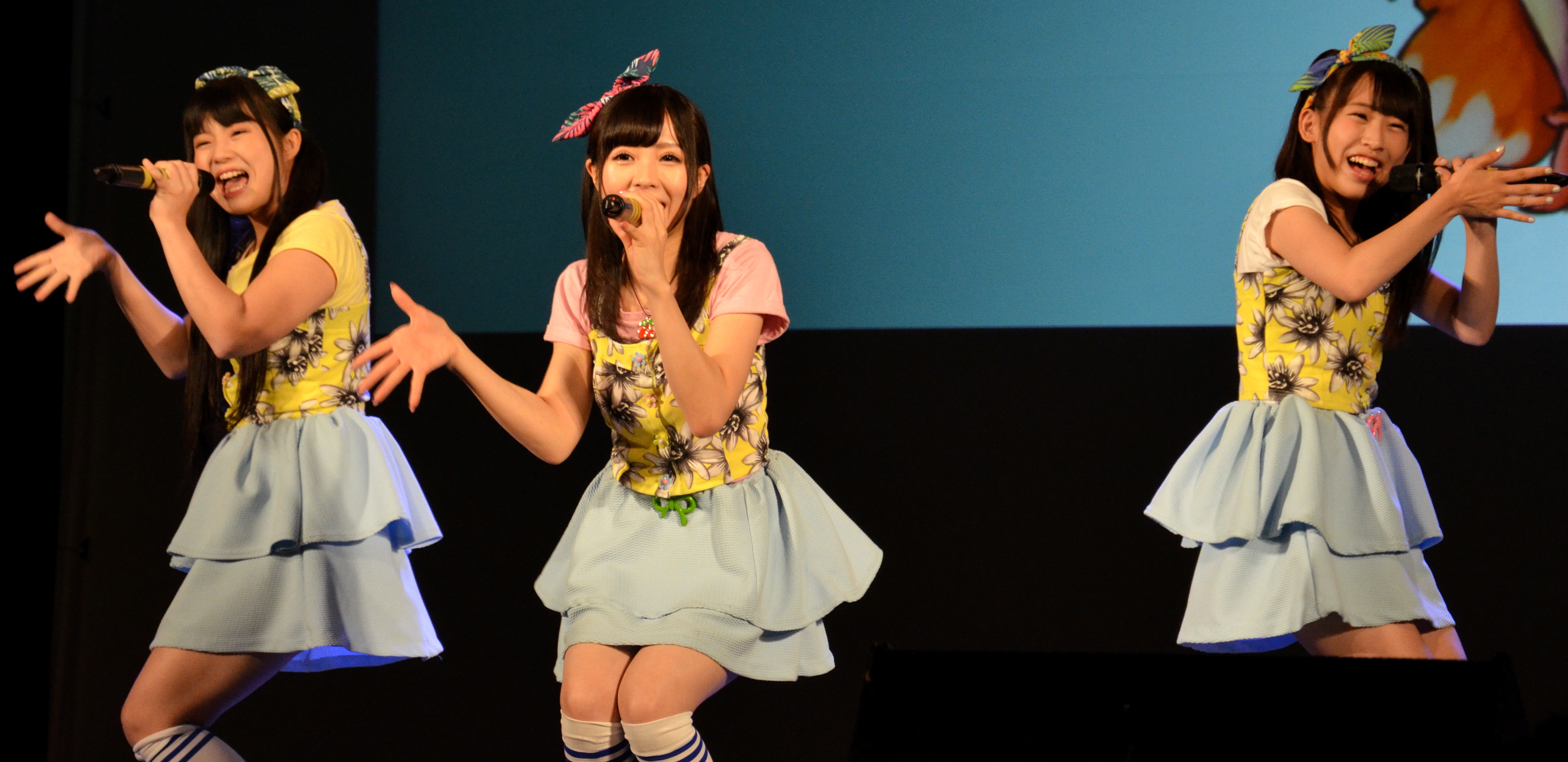
LinQ is a six-member Japanese girl group that has been active since 2011, making them one of the longest-running local idol groups in Kyushu. They are best known for their cheerful, high-energy pop songs that often celebrate Fukuoka's landmarks and culture. While they haven't achieved mainstream national or international fame, they have built a loyal fanbase through consistent touring, fan events, and a steady stream of releases on T-Palette Records.
As of 2024, the group is still active, though with reduced activity compared to their peak years around 2014-2016. Their current lineup has been stable since 2017, anchored by founding member Ami Himesaki, who serves as leader and center. LinQ's sound has matured over the years, moving from simple idol pop to a blend of pop-rock, dance, and ballads, but they remain rooted in the local idol scene of Fukuoka.
Formation Story
LinQ came together through open auditions held in Fukuoka in 2010. Around 300 hopefuls showed up, and after months of training, a final lineup of 17 members was selected. The group was put together by local agency Job Net, which wanted to create a Fukuoka-based idol group that could promote the city and region.
Their debut single First Love dropped on April 13, 2011, on the indie label T-Palette Records. It charted at number 25 on Oricon, a respectable start for a local indie group. The early years were defined by constant lineup changes, members graduated or left, and new ones joined, following the typical Japanese idol group model. By 2013, the group had stabilized somewhat with a core of about 10 members, and they released their first full album Love in Qshu, which reached number 12 on Oricon.
Their big breakthrough came in 2014 with the single Yume no Hikari, which became their first top-10 hit on Oricon, peaking at number 10. That success led to more national exposure and their first major tour. Over the next few years, the lineup continued to shrink, and by 2017 they had settled into the six-member configuration they have today.
Members
Musical Style
LinQ started with bright, upbeat idol pop that leaned heavily on Fukuoka themes, songs about local ramen, Fukuoka Tower, and the city's festivals. Their early singles like Girls (2012) were bouncy and simple, with catchy choruses and synchronized dance routines.
Around 2014, their sound shifted toward pop-rock and dance, with more polished production and anthemic choruses. Yume no Hikari marked this transition, featuring a driving beat and layered vocals. By the time of their second album Shinwa (2016), they were incorporating electronic elements and ballads, showing a more mature side. Later releases like Kiseki (2019) continued this evolution, with a fuller, more produced sound that still kept their cheerful core.
Discography
| Title | Year |
|---|---|
| Kiseki | 2019 |
| Kiseki | 2019 |
| Shinwa | 2016 |
| Shinwa | 2016 |
| Sakura no Yoru | 2015 |
| Yume no Hikari | 2014 |
| Love in Qshu | 2013 |
| Himitsu no Hana | 2013 |
| Girls | 2012 |
| LinQ no Uta | 2012 |
| First Love | 2011 |
Tours
LinQ Live Tour 2019: Kiseki
2019 · 12 shows
LinQ Live Tour 2017: Shinwa
2017 · 10 shows
LinQ Live Tour 2015: Love in Japan
2015 · 8 shows
Cultural Impact
LinQ's biggest impact has been on local tourism and pride in Fukuoka. They were appointed official Fukuoka Tourism Ambassadors in 2017, a role they held for two years, and their songs regularly name-drop local spots. They helped put Fukuoka's idol scene on the map, inspiring other local groups in Kyushu to form.
Outside of Kyushu, their influence is limited. They haven't broken into the mainstream Japanese music industry in a major way, and they have no international presence. But within the niche of regional idol groups, they are considered a success story for longevity and consistency.
Fandom Culture
LinQ's fans are called Q-Links, a name announced in 2012. The official fan color is pink, and the lightstick is a simple pink glow stick with the group's logo, first released in 2013. Fans have developed a tradition of waving their lightsticks in a specific rhythm during the chorus of Himitsu no Hana, a signature song.
Annual fan meetings in Fukuoka are a staple, where Q-Links gather for handshake events and small concerts. The fandom is tight-knit but small, with most activity centered in Fukuoka and surrounding prefectures.
Awards Won (6)
LinQ has won three awards: two Best Performance Awards at Tokyo Idol Festival (2014, 2016) and one Best Group award at the Japan Idol Awards (2015). They have not won any major international or national music awards.
Best Group
for: LinQ
Best Performance Award
for: Live performance
Best Performance Award
for: Live performance
Milestones
Debut single 'First Love' becomes the first independent idol single from a Fukuoka-based group to chart in Oricon top 30.
First album 'Love in Qshu' reaches Oricon top 20, a first for a Fukuoka idol group.
Single 'Yume no Hikari' becomes their first top-10 Oricon hit, peaking at number 10.
Appointed as official Fukuoka Tourism Ambassadors.
Trivia
The group's name was chosen from over 200 fan suggestions during a pre-debut contest. The "Q" in LinQ was deliberately designed to mirror the shape of Kyushu on a map.
Founding member Ami Himesaki is the longest-serving member, having been with the group since debut. She published a solo photobook called Ami no Kiseki in 2018.
LinQ's 2015 single Yume no Hikari sold 12,000 copies in its first week, their personal best.
Keywords
Quick Facts
- Type
- Girl Group
- Origin
- Japan
- Label
- T-Palette Records
- Genres
- J-pop, pop rock, dance, electronic
- Members
- 6
- Status
- Active
Group Info
- Fandom
- Q-Links
- Formed
- 2010
- Debut
- 2011-04-13
- Debut Song
- First Love
- Origin
- Fukuoka, Japan
- Company
- Job Net
- Label
- T-Palette Records
- Fan Color
- Pink
- Lightstick
- Pink glow stick with logo
- Status
- Active
Join the community
fans discussing