 Germany
About
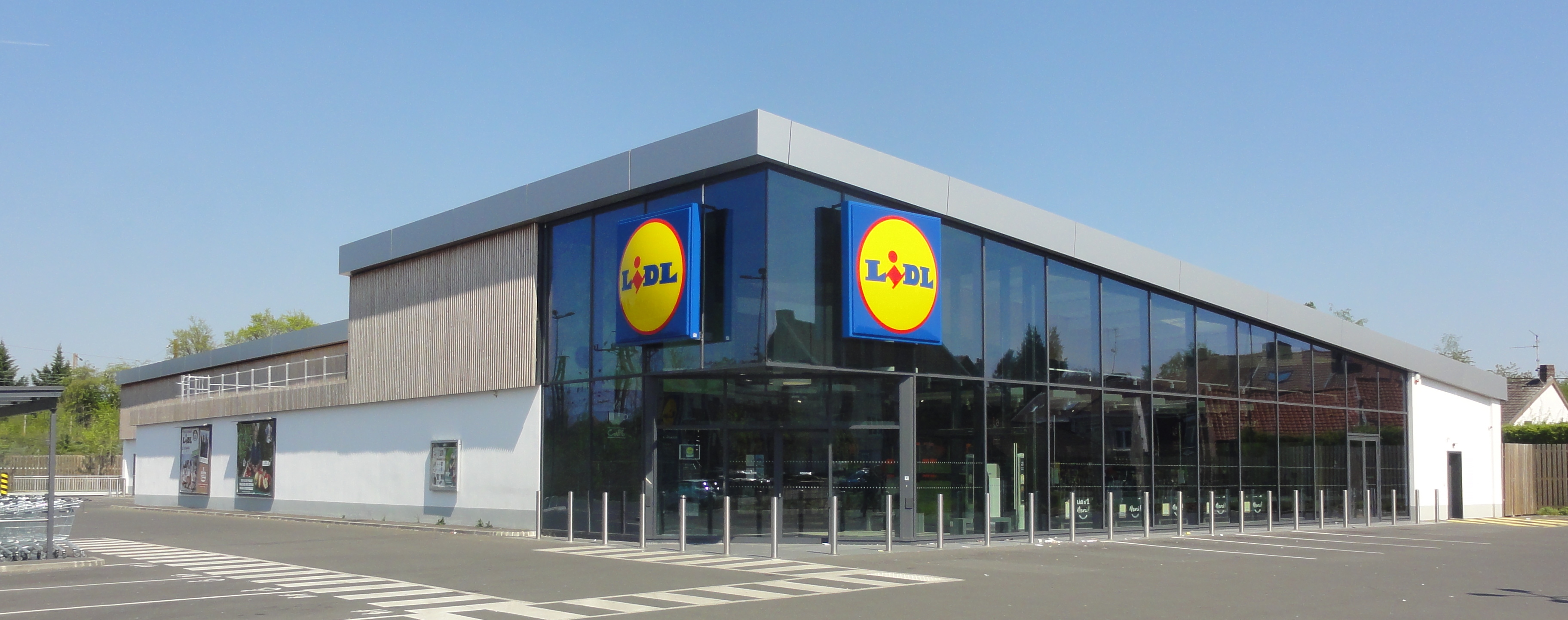
Lidl started small. In 1973, Dieter Schwarz opened the first Lidl discount store in Ludwigshafen, Germany, with just three employees and about 500 products. The concept was radical: strip away everything unnecessary, offer a tight range of private-label goods, and price them as low as possible. Today, that single store has multiplied into more than 12,900 locations across 32 countries, making Lidl one of the world's largest grocery retailers.
The company's DNA is simplicity. Lidl stores stock roughly 1,800 items, compared to a traditional supermarket's 30,000. Around 90 percent of those are private-label brands, giving Lidl direct control over quality and pricing. Weekly non-food special buys, everything from power tools to hiking gear, draw customers in and create a treasure-hunt atmosphere. The model works: in fiscal year 2024, Lidl generated sales of €132.1 billion, up from €125.5 billion the year before.
Lidl's global expansion has been aggressive. It entered the United States in 2017 and now operates along the East Coast, primarily in Virginia, North Carolina, and South Carolina. In Europe, its largest markets are Germany, France, the United Kingdom, and Italy. The chain has also built its own shipping company, Tailwind Shipping Lines, which ordered five new container ships in 2025 to move goods from Asia to Europe. Lidl's brand is built on trust through transparency, a no-frills experience that lets the prices speak for themselves.
Products & Sub-brands
Frequently Asked Questions
Who owns Lidl?
Who is the CEO of Lidl?
How much is Lidl worth?
Is Lidl better than Aldi?
Is Lidl still in business?
Keywords
Sources
Company Info
- Founded
- 1973
- Founder
- Dieter Schwarz
- CEO
- Kenneth McGrath
- Headquarters
- Neckarsulm, Germany
- Industry
- Retail
- Parent Company
- Schwarz Group
- Revenue
- 132100000000
- Employees
- 400000
- Number of Stores
- 12,900+
- Countries
- 32
Official Website
www.lidl.com
Join the community
fans discussing