Libertad Lamarque
 Mexico
Also known as: La Novia de América
Birthday
November 24, 1908
Birth Sign
Sagittarius
Birthplace
Rosario, Santa Fe Province, Argentina
Age
Died at 92
Height
5 ft 2 in (157 cm)
About
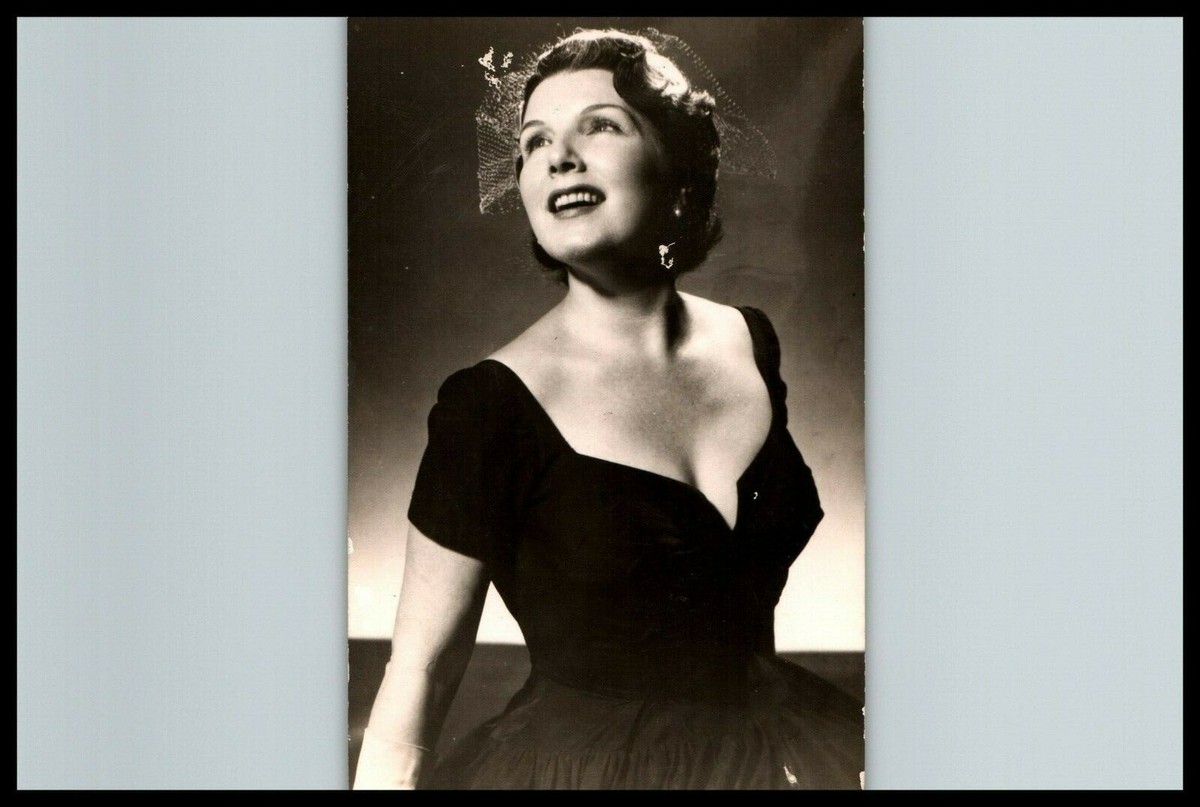
Libertad Lamarque was an Argentine-born singer and actress who became one of the most beloved stars of Latin American cinema's Golden Age. Known as "La Novia de América" (The Girlfriend of America), she captivated audiences with her powerful tango voice and dramatic screen presence for over six decades.
Her career spanned more than 60 years, during which she recorded over 800 songs and appeared in 65 films, 21 in Argentina, 43 in Mexico, and 1 in Spain. She also starred in six telenovelas, making her a household name across the Spanish-speaking world. Lamarque's influence extended beyond entertainment; she became a cultural icon whose legacy continues to be celebrated in both Argentina and Mexico.
She passed away on December 12, 2000, in Mexico City at the age of 92, leaving behind a rich legacy that still resonates with fans of classic cinema and tango music.
Early Life & Background
Libertad Lamarque was born into poverty in Rosario, Argentina, on November 24, 1908. Her first name, meaning "Liberty," was chosen because her anarchist father was imprisoned at the time of her birth. Her father, Gaudencio Lamarque, was a gaucho troubadour and circus performer, while her mother, Josefa Bouza, worked as a seamstress.
Lamarque grew up in a nomadic household, traveling with her father's circus act. She began performing as a child, developing her singing and acting skills on stage. Her formal education was limited, but her artistic training was intensive, guided by her father and other performers she encountered.
As a teenager, she made her professional singing debut in Rosario, performing at local venues. Her powerful, emotive voice quickly caught the attention of talent scouts, and she soon moved to Buenos Aires to pursue a career in entertainment. In the late 1920s, she began recording tango songs and performing on Argentine radio, establishing herself as a leading vocalist before she ever appeared on screen.
Career Growth
Lamarque made her film debut in 1930 during the Argentine silent era, but it was her role in the 1936 hit Help Me to Live (Ayúdame a vivir) that cemented her status as Argentina's top female film star. She followed this with Bewitching Kisses (Besos brujos) in 1937, further solidifying her popularity. In 1942, she starred in En el viejo Buenos Aires.
In 1947, after a famous falling out with Eva Perón, Lamarque moved to Mexico, where she starred in Gran Casino alongside Jorge Negrete. This marked the beginning of her highly successful Mexican career, and she became one of the highest-paid actresses in Mexican cinema during the 1950s, starring in numerous melodramas and musical films. Her 1955 film La mujer X was another notable success.
In the 1960s and 1970s, she transitioned to television, appearing in six telenovelas that were broadcast throughout Latin America. She continued performing and recording into the 1980s and 1990s, maintaining a devoted fan base until her death in 2000.
Career Timeline
Public Image & Style
Lamarque's public image was that of a refined, elegant, and emotionally powerful performer. She was known for her dramatic interpretations of tango songs and her ability to convey deep emotion on screen. Her signature style included elaborate gowns and glamorous Hollywood-style presentation, which she brought to Latin American cinema.
The media portrayed her as the quintessential Latin American leading lady, beautiful, talented, and universally beloved. Her fans, known colloquially as admirers of "La Novia de América," remained devoted throughout her life and after her death. Her legacy is preserved through film retrospectives, tango music appreciation societies, and ongoing tributes in both Argentina and Mexico.
Fame & Fandom (iFAMOUS Rankings)
Libertad Lamarque stands as the 34th most famous person in Telenovelas, a placement that holds steady from the previous cycle and anchors her enduring presence in Latin American media history. This standing within the iFANN Global Fame Rankings reflects a career that transcended decades to become a cultural constant across the Spanish-speaking world. Her voice and dramatic screen presence secured her a unique spot in global memory, recognized by the same metrics that track fame across all entertainment sectors.
While the digital age has birthed organized fanbases for modern stars, Lamarque's audience remains a vast, dispersed community of admirers rather than a formally named group. There is no documented fandom name or active campaign of fan-funded projects circulating among her followers today. Her legacy lives on through the continued appreciation of her work by institutions and individuals who revere her as a historical icon rather than through interactive social rituals. The absence of a specific club or hashtag does not diminish her impact; instead, it highlights her status as a figure whose fame predates the era of viral fan organization, leaving her with a timeless reverence that requires no formal structure to sustain.
Interesting Facts and Legends
The story behind her name is as legendary as her performances: Libertad was given to her because her anarchist father was imprisoned at the time of her birth. She recorded over 800 songs during her career, making her one of the most prolific tango vocalists in history. She appeared in 65 films total: 21 Argentine, 43 Mexican, and 1 Spanish production. The famous slap incident with Eva Perón remains one of the most debated events in Argentine entertainment history; while some historians question whether it actually happened, Lamarque consistently maintained that she was censored and blacklisted afterward. She was one of the first Latin American actresses to achieve true pan-continental stardom, earning the title "La Novia de América." She also worked across multiple media, film, radio, recording, television, and theater, making her one of the most versatile entertainers of her era.
Cultural lore often centers on her moniker "La Reina del Tango" (The Queen of Tango), a title born from her immense popularity across Argentina and Mexico where she became an icon of the Golden Age of cinema. While verified documentation confirms her status as one of the first female voices of tango to achieve transnational stardom, specific anecdotes of crowds shutting down streets remain part of the romanticized narrative surrounding her life rather than recorded incidents. These stories, alongside the origin of her name, form the mythology that keeps her spirit alive for new generations.
Notable Quotes
“I felt censored. Nobody would call me for work, and my name began to be omitted from public life in Argentina.”
Family & Personal Life
Lamarque's family background was marked by poverty and a nomadic lifestyle due to her father's work as a traveling performer. Her father, Gaudencio Lamarque, was a gaucho troubadour and circus performer, and her mother, Josefa Bouza, was a seamstress. Lamarque's full name was Libertad Lamarque Bouza.
She married Argentine actor and director Alfredo Malerba, who also became her manager. The couple had one daughter, also named Libertad Lamarque Malerba. Her marriage to Malerba lasted for decades, and he remained her professional partner throughout much of her career.
Notable Connections
Lamarque's career was intertwined with several notable figures. Her husband, Alfredo Malerba, was an Argentine actor and director who also served as her manager. She starred alongside Jorge Negrete in Gran Casino (1947), a film that marked her Mexican debut. She also worked with Spanish child star Joselito in Bello recuerdo and with Argentine actor Floren Delbene in Help Me to Live (1936). Her conflict with Eva Perón is one of the most famous episodes in Argentine entertainment history.
Relationships & Dating History
Libertad Lamarque married Argentine actor and director Alfredo Malerba, who also became her manager. The couple had one daughter, also named Libertad Lamarque Malerba. Their marriage lasted for decades, with Malerba serving as her professional partner throughout much of her career.
Lamarque was widowed when Malerba passed away. She never remarried and remained single for the rest of her life. She died on December 12, 2000, in Mexico City.
- MarriedAlfredo MalerbaHusband and manager; they had one daughter together.
Death & Aftermath
Died
December 12, 2000 (aged 92)
Death Place
Mexico City, Mexico
Cause of Death
Reported as natural causes due to old age
Libertad Lamarque passed away on December 12, 2000, in Mexico City at the age of 92. The circumstances surrounding her final days reflect a quiet end for an icon who had resided in that city for decades after building her career there. The Washington Post noted her death simply as occurring at 92, treating it as a natural conclusion to a life lived fully across the Spanish-speaking world. Her passing triggered immediate and widespread tributes from peers and institutions across Latin America. Media outlets honored her status as one of the most beloved entertainers in history, celebrating her six-decade legacy of film and music. Although specific funeral arrangements or burial locations were not publicly detailed in available records, the magnitude of her stature ensured significant media attention and recognition from the entertainment industry.
Her extensive filmography and recordings continued to be preserved and celebrated by retrospectives in the years following her death. Posthumously, her estate has been managed by her family to maintain her image and works, ensuring her contributions to Argentine and Mexican culture remain accessible. She has been inducted into various halls of fame and recognized as a cultural icon without the need for new releases immediately after her passing. The preservation of her 65 films and numerous songs continues to introduce her powerful tango voice and dramatic screen presence to new generations.
Net Worth (Estate Value)
$10 Million
iFANN Editorial Team estimate
iFANN currently estimates Libertad Lamarque's net worth at the time of her death in 2000 to be around $10 Million, a figure that reflects her long and prolific career in film, music, and television. Her income came from her many film roles, record sales, and television appearances. As one of the highest-paid actresses in Mexican cinema during the 1950s, Lamarque commanded substantial salaries for her performances. She also earned royalties from her recordings, which continued to sell well throughout her lifetime. Since her passing, her estate has continued to generate revenue through music licensing, film reissues, and streaming royalties. Her catalog remains popular on platforms like Spotify, ensuring a steady stream of income. The estate is managed by her descendants, who preserve her legacy.
Awards & Accolades
View 4 records, honours and achievementsKnown For
Help Me to Live (Ayúdame a vivir)
1936 · Lead actress
Bewitching Kisses (Besos brujos)
1937 · Lead actress
Gran Casino
1947 · Lead actress
En el viejo Buenos Aires
1942 · Lead actress
Keywords
Sources
Quick Facts
- Profession
- Singer, Actress
- Born
- November 24, 1908
- Birthplace
- Rosario, Santa Fe Province, Argentina
- Died
- December 12, 2000
- Death Place
- Mexico City, Mexico
- Gender
- Female
- Spouse
- Alfredo Malerba
- Children
- 1
- Height
- 5 ft 2 in (157 cm)
- Birth Sign
- Sagittarius
Personal Details
- Full Name
- Libertad Lamarque Bouza
- Height
- 5 ft 2 in (157 cm)
- Spouse
- Alfredo Malerba
- Children
- 1
Filmography
65
Total
65
Film
6
TV
Frequently Asked Questions
Did Libertad Lamarque really slap Eva Perón?
Why did Libertad Lamarque leave Argentina?
How many films did Libertad Lamarque make?
Who was Libertad Lamarque's husband?
How many songs did Libertad Lamarque record?
Join the community
fans discussing