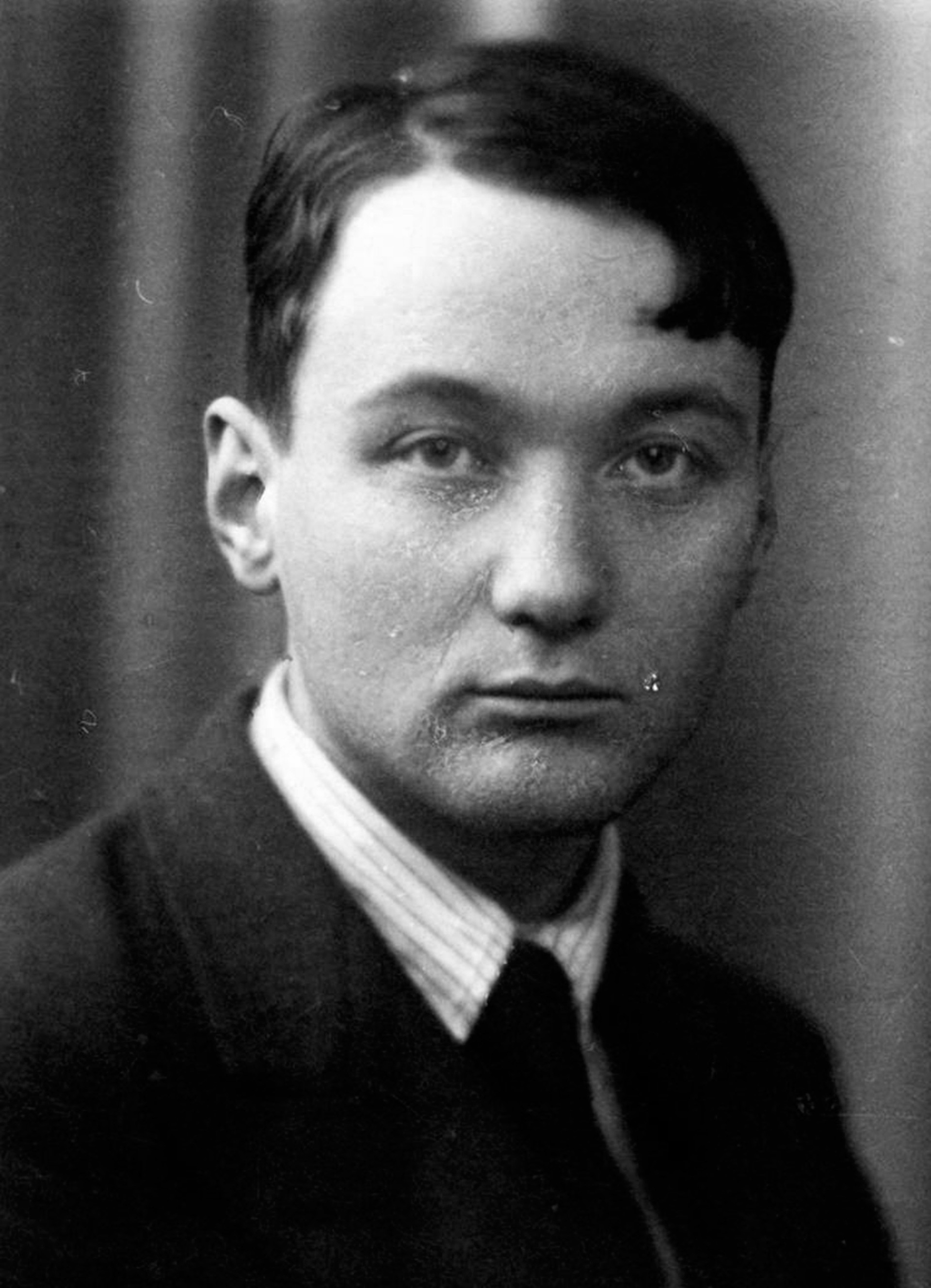
Lev Gumilev
 Russia
historian•ethnologist•anthropologist
Birthday
October 1, 1912
Birth Sign
Libra
Birthplace
Tsarskoye Selo, Russian Empire
Age
Died at 79
About
Lev Nikolayevich Gumilev was a Soviet and Russian historian, ethnologist, and anthropologist. He developed the theory of ethnogenesis, which proposes that ethnic groups form and evolve through natural, cyclical processes influenced by cosmic energy. Gumilev was also a leading voice in the Eurasianist movement, arguing for a distinct civilizational identity for the Eurasian landmass, centered on Russia and its steppe heritage.
Despite spending nearly two decades in Soviet prison camps, Gumilev produced a substantial body of work, including The Discovery of Khazaria, From Rus' to Russia, and Ethnogenesis and the Biosphere of the Earth. His ideas continue to influence Russian nationalist thought and debates about national identity.
Early Life & Background
Lev Gumilev was born on October 1, 1912, in Tsarskoye Selo, near Saint Petersburg, to two of Russia's most celebrated Silver Age poets, Nikolai Gumilev and Anna Akhmatova. His parents separated when he was young, and his father was executed in 1921 on charges of involvement in a monarchist conspiracy. Lev spent much of his childhood with his paternal grandmother in Bezhetsk, a small town in the Tver region, while his mother pursued her literary career in Petrograd.
His relationship with his mother was distant, though she occasionally used her influence to intercede on his behalf with authorities. After graduating from high school in 1930, Gumilev was denied admission to university due to his noble lineage. He instead joined several research expeditions in Central Asia, including the Sayan and Pamir mountains, where he learned Tajik and Kyrgyz. These experiences sparked his lifelong interest in steppe peoples.
In 1934, he finally enrolled at Leningrad State University, first in the history department and later transferring to the Oriental Studies department. His academic path was interrupted by his first arrest in 1935, accused of plotting against Stalin, and again in 1938, when he was sentenced to five years in a labor camp. He served part of his sentence as a librarian in Norilsk, a position that allowed him to continue reading and studying.
Career Growth
Gumilev's breakthrough came after his release from the Gulag in 1956, following Nikita Khrushchev's de-Stalinization campaign. He completed his history diploma and defended his PhD on the ancient Turks, establishing himself as a leading expert on the steppe tribes of Inner Eurasia, including the Scythians, Huns, and Mongols.
During World War II, Gumilev volunteered for the Red Army, serving in an anti-aircraft artillery regiment and participating in the Battle of Berlin, for which he received bravery awards. After the war, he published extensively, developing his theory of ethnogenesis in works such as Ethnogenesis and the Biosphere of the Earth (1979) and The Discovery of Khazaria (1966). He also became a central figure in the Eurasianist movement, arguing that Russia's historical ties with steppe peoples shaped its unique path, distinct from Western Europe.
Despite official skepticism, his ideas gained a following among intellectuals and later influenced Russian nationalist thought. He continued writing until his death in 1992.
Career Timeline
Public Image & Style
Gumilev is remembered as a resilient intellectual who developed bold theories despite immense political adversity. His work challenged conventional Soviet historical narratives, offering a sweeping vision of ethnic development driven by cosmic forces. He is often portrayed as a lone scholar, imprisoned for his ideas yet unwavering in his pursuit of knowledge.
In contemporary Russia, his ideas have been embraced by some nationalist circles, and his name is frequently invoked in debates about Eurasian identity. His works remain in print, and his theories continue to be studied and debated by scholars and enthusiasts alike.
Fame & Fandom
Lev Gumilev commanded a sphere of influence defined entirely by intellectual rigor and political ideology rather than the celebrity culture that drives modern fame metrics. His legacy rests on the theory of ethnogenesis and his role as a central figure in Eurasianism, attracting a dedicated readership among historians, political theorists, and nationalist movements rather than a traditional fanbase with organized rituals or official monikers. While his life story, marked by fourteen years in the Gulag and the intervention of his mother, Anna Akhmatova, has generated enduring myths within Russian intellectual circles, these narratives serve to frame his academic contributions rather than fuel commercial fandom. There is no documented name for his followers, nor are there records of fan campaigns, birthday tributes, or meet-and-greets associated with his posthumous reputation. His impact is measured through the adoption of his ideas by state institutions and contemporary political discourse, including his identification as a key philosophical influence on modern Russian leadership. Despite this profound ideological footprint, Lev Gumilev does not currently hold a placement in the iFANN Global Top 1,000 rankings or any scope-specific list, reflecting his status as a historical figure whose primary resonance remains within specialized academic and geopolitical spheres rather than the global celebrity landscape evaluated by the iFANN system.
Interesting Facts and Legends
Gumilev proposed that ethnic groups evolve through natural cycles akin to biological organisms, a perspective that frequently clashed with Soviet Marxist ideology. He argued that historical conflicts between Russia and steppe peoples often served as periods of consolidation against Western European expansion. During his imprisonment, he utilized his time working as a librarian in Norilsk to advance his studies, eventually producing a substantial body of work despite severe restrictions. An adherent of Orthodox Christianity, he maintained a rare religious stance for a Soviet intellectual of his era. Born to two Silver Age poets, Nikolai and Anna Akhmatova, his lineage was as significant as his own scholarly output. A central pillar of his biography involves the widely cited account of his survival; after spending fourteen years in penal servitude, he was reportedly saved from execution or extended incarceration due to his mother's personal intervention. This narrative has become a defining legend of his life, illustrating the tragic intersection of artistic prominence and state persecution. He famously distinguished himself as a "convicted scientist" rather than an office-bound academic, citing his camp experience as essential to his empirical approach. His theory of ethnogenesis, detailing a lifecycle of roughly fifteen centuries driven by passionarity, stands as his most iconic intellectual contribution, continuing to shape debates on Eurasian identity long after his death.
Family & Personal Life
Lev Gumilev was the son of poets Nikolai Gumilev and Anna Akhmatova. His parents' marriage was turbulent, and they separated when he was young. His father was executed in 1921, and his mother remarried twice. Lev spent most of his upbringing with his paternal grandmother in Bezhetsk, away from his mother's literary circles.
He had no children. In 1967, he married Natalya Simonovskaya, who remained his wife until his death. He also had a close personal and professional relationship with bibliographer Natalia Varbanets, though the nature of that relationship was not publicly detailed.
Notable Connections
Relationships & Dating History
Lev Gumilev married Natalya Simonovskaya in 1967, and they remained together until his death in 1992. He also had a close personal and professional relationship with bibliographer Natalia Varbanets, though the nature of that relationship was not publicly detailed. No other significant relationships are documented.
- MarriedNatalya Simonovskaya1967 - 1992Married in 1967; remained together until Gumilev's death.
Death & Aftermath
Died
June 15, 1992 (aged 79)
Death Place
St. Petersburg, Russia
Cause of Death
Myocardial infarction
A bust was installed in Kazan in 2005, and the Lev Gumilyov Eurasian National University in Astana bears his name, cementing a legacy that surged after his passing. These tributes followed a period of intense scholarly interest in his previously suppressed theories on ethnogenesis and Eurasianism during the early 1990s. Lev Nikolayevich Gumilev died on June 15, 1992, in St. Petersburg at the age of 79, having been born on October 1, 1912. His final years saw him withdraw from public life due to failing health despite remaining intellectually active through lectures on his historical theories just prior to the dissolution of the Soviet Union.
Medical records indicate he succumbed to a myocardial infarction following a long decline in physical condition, with no evidence of foul play or external trauma detected by attending physicians. The circumstances were deemed natural. Following his death, Russian historians and philosophers widely eulogized his contributions to understanding the history of the Eurasian steppe, while his collected works saw a significant increase in publication and translation into languages such as Estonian. Specific details regarding the date or location of his funeral service remain unrecorded in available literature, though his interment is consistent with burial grounds for the city's intellectual elite.
Net Worth (Estate Value)
$5 Million
iFANN Editorial Team estimate
Lev Gumilev's estate lacks public documentation, and no reliable financial figures exist from his lifetime. As a Soviet-era academic, his income derived from university salaries and book royalties, which were modest at the time. Following his passing, his works have been republished and continue to generate sales, providing some estate income. However, given the absence of public financial records, any valuation remains speculative. Per iFANN's editorial analysis, the value of his estate as of 2026 is believed to be minimal, likely under $5 million, primarily sustained by ongoing book royalties.
Awards Won (1)
Gumilev received bravery awards for his service in the Red Army during World War II, including participation in the Battle of Berlin. No other formal awards are documented.
1945 · Military
Service in the Red Army
Known For
Ethnogenesis and the Biosphere of the Earth
1979 · Author
The Discovery of Khazaria
1966 · Author
From Rus' to Russia
1992 · Author
Keywords
Sources
Quick Facts
- Profession
- historian, ethnologist, anthropologist
- Born
- October 1, 1912
- Birthplace
- Tsarskoye Selo, Russian Empire
- Died
- June 15, 1992
- Death Place
- Saint Petersburg
- Gender
- Male
- Birth Sign
- Libra
Personal Details
- Full Name
- Lev Nikolayevich Gumilev
- Spouse
- Natalya Simonovskaya
- Education
- Leningrad State University
Frequently Asked Questions
Who were Lev Gumilev's parents?
What is Lev Gumilev known for?
Did Lev Gumilev serve in World War II?
How many times was Lev Gumilev arrested?
When did Lev Gumilev die?
Join the community
fans discussing