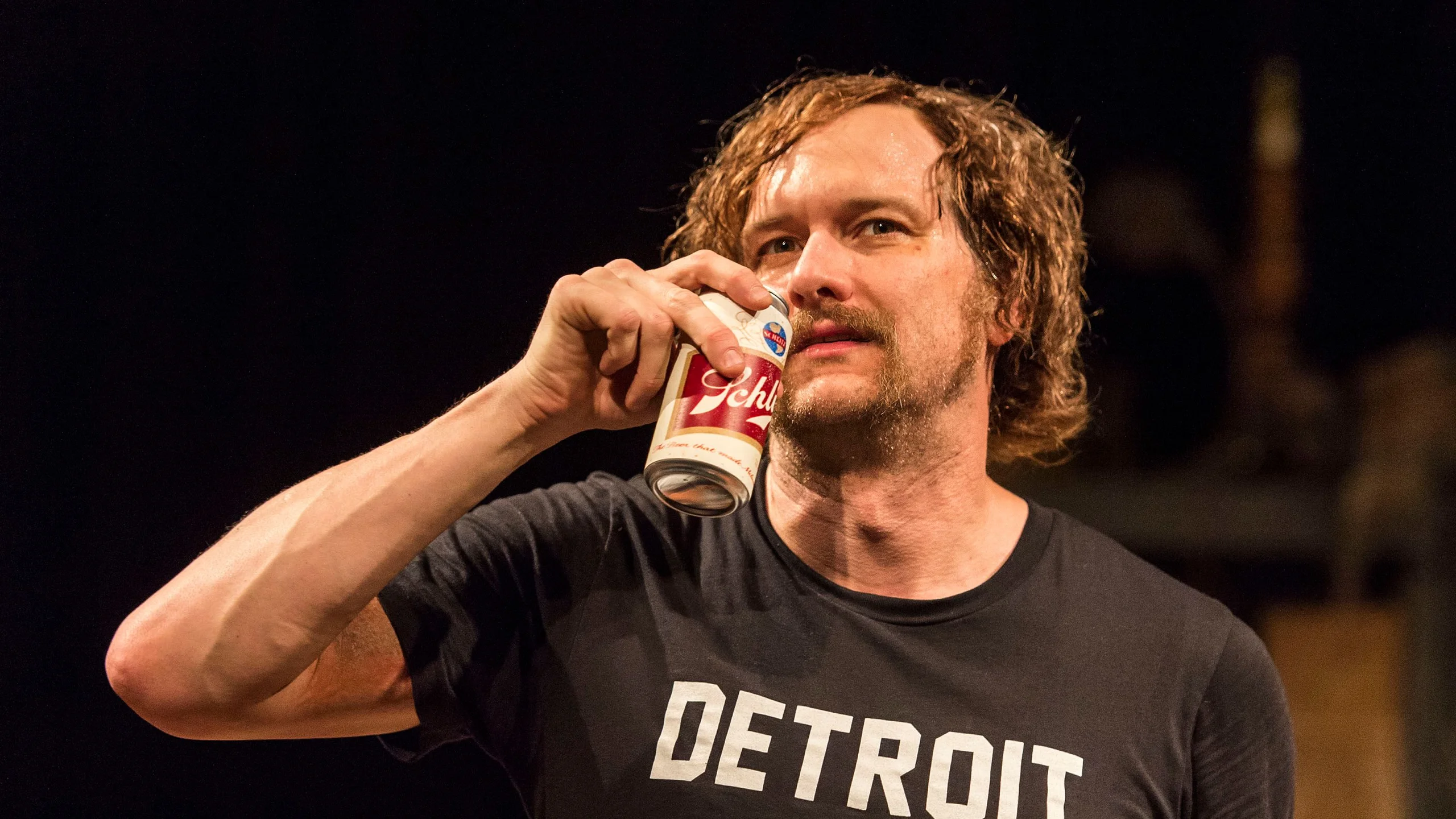
Lester Bangs
 United States
music journalist•critic•musician
Also known as: Leslie Conway Bangs
Birthday
December 14, 1948
Birth Sign
Sagittarius
Birthplace
Escondido, California, USA
Age
Died at 33
About
Lester Bangs was an American music journalist and critic, best known for his work at Creem and Rolling Stone. He is widely regarded as one of the most influential and impassioned rock critics in the history of the form. Jim DeRogatis has called him "America's greatest rock critic," and The New Yorker credited him with "the most advanced and authentic" understanding of rock and roll among his peers. Bangs died on April 30, 1982, at thirty-three.
His prose was loud, messy, and personal, and Robert Christgau described it as a combination of "slop and intention that could be breathtaking." He was a champion of overlooked and unfashionable bands long before the rest of the press caught up, and his essays on Van Morrison, the Clash, and the Ramones are still anthologized. His collected work, Psychotic Reactions and Carburetor Dung, edited by Greil Marcus, appeared in 1987 and kept his writing in print for later generations. He was also a musician, playing with the Delinquents and later Birdland with Mickey Leigh, though his reputation rests on the prose rather than the performances. Few critics have been imitated so widely or matched so rarely.
Early Life & Background
Leslie Conway Bangs was born on December 14, 1948, in Escondido, California, to Norma Belle and Conway Bangs. Sources conflict slightly on the date; IMDb lists December 13, though the fourteenth is the more widely cited. The family moved frequently during his childhood, and he spent formative years in El Cajon, a suburb of San Diego. His father was a career musician, a drummer and pianist, and the household was described as unstable; his mother has been described as devoutly religious. Bangs attended Grossmont College briefly before drifting into journalism.
He began publishing film and music reviews in the late 1960s, already brash and opinionated. By 1969 he had talked his way into a staff job at Creem, the Detroit rock magazine, working alongside editor Dave Marsh and later Susan Whitall. A 2013 documentary, A Box Full of Rocks: The El Cajon Years of Lester Bangs, revisited this early period. By the early 1970s he was writing for Rolling Stone and The Village Voice, and by the mid-1970s he had relocated to New York and was filing for New Musical Express.
Career Growth
Bangs's breakthrough came at Creem, where his wild, personal style of criticism found a home. He was fired from Rolling Stone early in his career, famously after an incident in which he was alleged to have thrown a typewriter or otherwise clashed with editors, but he continued writing for Rolling Stone, The Village Voice, and New Musical Express. He championed the Stooges, the MC5, Lou Reed, and early punk acts years before punk broke, and by the late 1970s he had become one of the loudest early advocates of punk and new wave. His essay on Van Morrison's Astral Weeks and his writing on the Clash and Ramones are among his most anthologized pieces.
In 1979 he recorded with the Delinquents, and in the early 1980s he played in Birdland with Mickey Leigh. His collected work, Psychotic Reactions and Carburetor Dung, edited by Greil Marcus, appeared in 1987 and kept his writing in print. A 2018 play about him drew reviews noting his continued cultural presence, and in late 2025 the AV Club noted he was the first to bring the Ramones' "Blitzkrieg Bop" to a ballgame. A January 2026 piece revisited his 1973 prediction about the Rolling Stones that failed, and Morrissey's fourteenth solo album, Make-Up Is a Lie, released in March 2026, includes a song titled "Lester Bangs."
Career Timeline
Public Image & Style
Brash, opinionated, self-destructive, and romantic about rock and roll, Bangs was described as "a rock star crafted by his own singular will." Media portray him as the patron saint of passionate, unpretentious music writing. Christgau remembered him as "colorful and funny," both "easy reading and formally out there." He was famously dismissive of Led Zeppelin, regarding them as bloated and pretentious, while his tastes ran to garage rock, punk, and the Stooges. His social media voice does not exist, as he died in 1982, before social media existed.
Fame & Fandom (iFAMOUS Rankings)
iFANN has not yet gathered fame data for Lester Bangs, so no ranking is available. He is not on the September 2026 iFAMOUS Rankings flagship list.
Bangs has no formal fandom name or organized fanbase; his admirers are critics, writers, and music fans who cite him as a model. No documented fan campaigns, birthday billboards, or charity drives exist in his name. Fan culture centers on quoting his essays and debating his taste, and his Astral Weeks essay remains a cult touchstone among fans. His portrayal in Almost Famous has become the entry point for many newcomers.
Interesting Facts and Legends
Bangs was fired from Rolling Stone early on, and the story goes that he attached a note to his first review for the magazine reading "Look, fuckhead," a detail traced to a Ruffian Books video. He won no major competitive awards during his lifetime, has not been inducted into any hall of fame, and was never a magazine cover subject. He predicted punk years in advance, and he played in bands, the Delinquents and Birdland, though the music never matched the writing. In Cameron Crowe's Almost Famous (2000), Philip Seymour Hoffman portrayed him, and Crowe, who knew Bangs, has spoken about how he approached music journalism. His height is not reliably documented. The most retold story is his firing from Rolling Stone and his outlaw reputation at Creem; the typewriter and "Look, fuckhead" anecdotes are widely circulated but should be flagged as folklore where not independently verified.
Notable Quotes
“Look, fuckhead”
Family & Personal Life
Bangs was born to Norma Belle and Conway Bangs. His father was a career musician, a drummer and pianist, and the household was described as unstable; his mother has been described as devoutly religious. The family moved frequently during his childhood, and he spent formative years in El Cajon, a suburb of San Diego. He never married and had no known children. No siblings are documented in reliable sources, and no estate value is reliably reported for the family.
Notable Connections
Relationships & Dating History
Bangs never married and had no known children. His romantic relationships were not well documented in reliable sources. No credible record of a marriage or long-term public partnership exists, and tabloid-style pairings should not be asserted. His closest documented relationships were professional and personal friendships with critics and musicians, including Greil Marcus, Dave Marsh, Robert Christgau, and Mickey Leigh. As of 2026 he is deceased; there is no current partner.
Death & Aftermath
Died
April 30, 1982 (aged 33)
Death Place
New York City, New York, USA
Cause of Death
Accidental overdose (reported)
On the last day of April 1982, Lester Bangs was found dead in his New York City apartment. He was thirty-three. No official finding was ever made public, and the cause remains reported rather than confirmed. The accounts that circulated afterward settled on an accidental overdose, with retrospectives describing a lethal combination of flu medication and other drugs, or a heart attack brought on by drug toxicity. Robert Christgau, in his remembrance, noted Bangs's abuse of alcohol, speed, and over-the-counter substances. The New Yorker later remembered him as a wreck of a man right up until his death.
Tributes came from the critics who had known him. Christgau's reminiscence and The New Yorker's essay served as posthumous peer assessments. The retrospectives have continued for decades: The Monthly's 2026 remembrance, "Bangs a gong," praised his unselfconscious writing and his belief in music as revelation, and the 2013 documentary A Box Full of Rocks: The El Cajon Years of Lester Bangs returned to his early life in California. His writing remained widely anthologized, and his legend, as one account put it, still lives on in music, movies, and books.
Funeral arrangements were not made public. The prose, at least, stayed in print.
Net Worth (Estate Value)
$100 Thousand
iFANN Editorial Team estimate
No credible net worth figure exists for Lester Bangs. He died in 1982 with modest means, and celebrity-net-worth sites do not publish a reliable estimate. Any figure should be treated as unverified. The iFANN Editorial Team's analysis of his earnings, ventures, and assets points to roughly $100 Thousand as of 2026, an estimate based on his modest income as a freelance writer and musician. His literary estate is effectively managed through his published collections, principally Psychotic Reactions and Carburetor Dung, which keeps his work in print and generates modest royalties.
Awards & Accolades
Known For
Creem
1969-1970s · Critic
Rolling Stone
early 1970s · Critic
Psychotic Reactions and Carburetor Dung
1987 · Author
Keywords
Sources
Quick Facts
- Profession
- music journalist, critic, musician
- Born
- December 14, 1948
- Birthplace
- Escondido, California, USA
- Died
- April 30, 1982
- Death Place
- New York City, New York, USA
- Gender
- Male
- Birth Sign
- Sagittarius
Personal Details
- Full Name
- Leslie Conway Bangs
- Education
- Grossmont College (briefly)
Frequently Asked Questions
What happened to Lester Bangs?
Did Lester Bangs like Led Zeppelin?
What was Lester Bangs listening to when he died?
Did Cameron Crowe meet Lester Bangs?
What is Lester Bangs known for?
Similar People
Join the community
fans discussing