 Russia
About
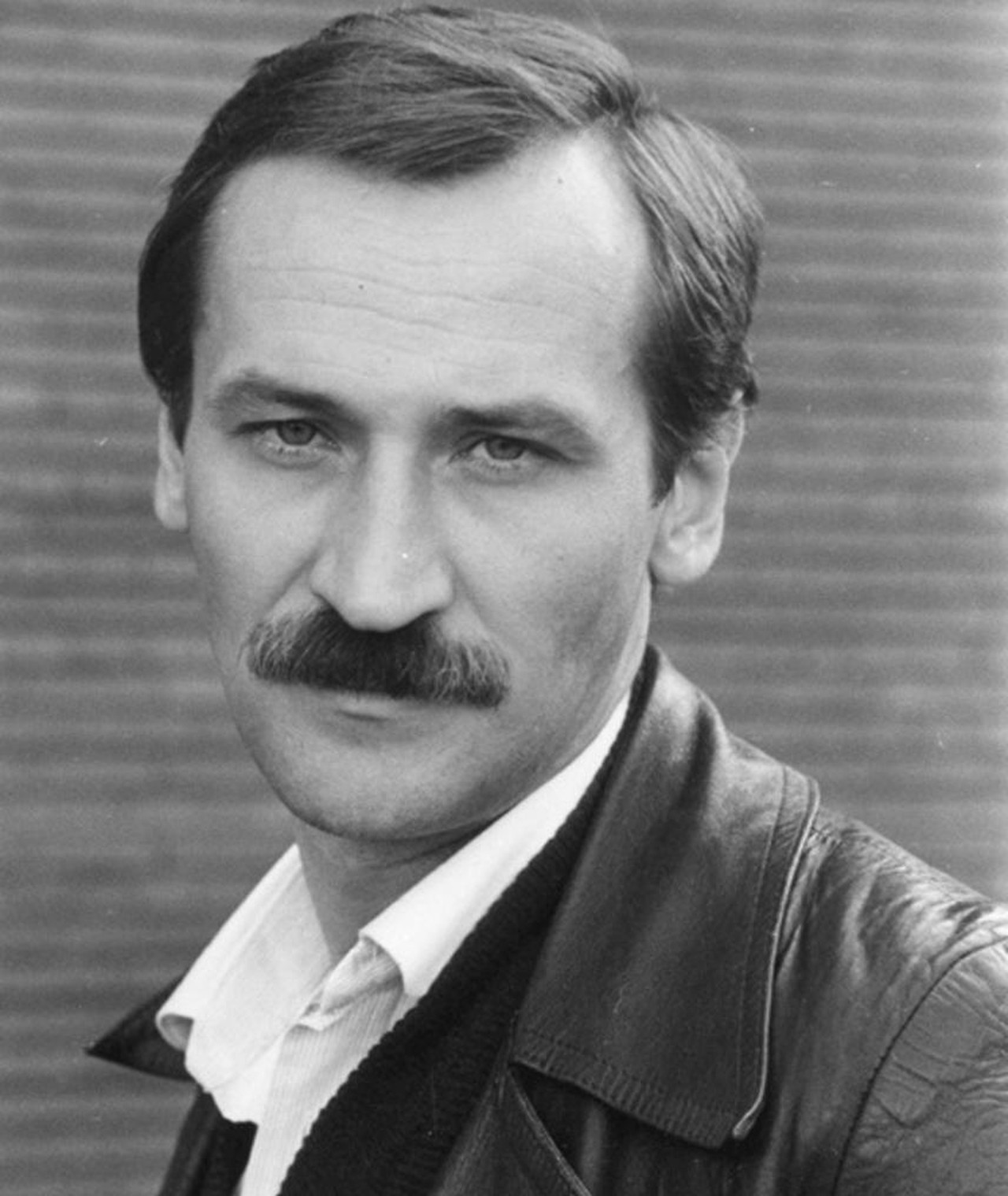
Leonid Filatov was a Soviet and Russian actor, director, and poet whose work left a lasting mark on the cultural landscape. Born in Kazan in 1946, he rose to prominence as a member of the Taganka Theatre in Moscow, where his performances under Yury Lyubimov's direction earned him critical acclaim. He appeared in numerous films, including Air Crew and Zerograd, and also directed and wrote poetry that was widely appreciated.
Despite a serious illness in the 1990s, Filatov continued to create until his death in 2003. He was honored with the title People's Artist of Russia in 1994 and the Russian Federation State Prize in 1996. His legacy endures through his films, theatrical work, and writings, which remain studied and admired by audiences and critics alike.
Early Life & Background
Leonid Filatov was born on December 24, 1946, in Kazan, the capital of the Tatar Autonomous Soviet Socialist Republic. Details of his childhood are scarce, but he gravitated toward the arts from an early age. He studied at the Shchukin Theatre Institute in Moscow, a prestigious acting school, which laid the foundation for his theatrical career.
In the late 1960s, he joined the Taganka Theatre, a groundbreaking company known for its experimental productions. There, he worked under the visionary director Yury Lyubimov, appearing in several avant-garde plays that challenged Soviet norms. His early stage work earned him recognition as a versatile actor, setting the stage for his later film career.
Career Growth
Filatov's film debut came in the late 1970s, but his breakthrough role was as Igor Skvortsov in the 1980 disaster film Air Crew, which became a box-office hit. He followed this with a string of notable performances, including One Imagine? (1981), The Stray White and the Speckled (1986), and Forgotten Tune for the Flute (1987). In 1988, he starred in Zerograd, a surreal comedy that has since gained cult status.
In the 1990s, despite health problems, Filatov continued acting and also directed plays and films. He was named People's Artist of Russia in 1994 and received the State Prize of the Russian Federation in 1996. His later years were marked by a focus on poetry and writing, with several published collections.
Career Timeline
Public Image & Style
Filatov was regarded as a thoughtful and intense performer, often cast in roles that required emotional depth. His public persona was that of a cultured intellectual, equally at ease in theatre and cinema. Fans appreciated his versatility and his willingness to take on unconventional parts. He was not a flashy celebrity but rather a respected artist, and his poetry added to his mystique. In online forums, he is remembered as a 'poet on the stage,' with his dramatic readings of his own verses becoming legendary.
Fame & Fandom (iFAMOUS Rankings)
Leonid Filatov commands a legacy defined by the enduring resonance of his theatrical and cinematic contributions rather than the organized fervor typical of modern pop culture. His audience consists primarily of cinephiles and theater historians who revere his work in Soviet satire, particularly the cult classic *Zerograd*, which serves as the primary entry point for new generations discovering his artistry decades after his passing. Unlike contemporary icons, there is no formalized fanbase with an official name, nor are there documented campaigns, birthday billboards, or subway advertisements dedicated to his memory. The devotion he inspires is quiet and intellectual, manifesting through academic analysis and the continued circulation of his poetry and films rather than viral social media rituals. While his presence online remains limited to official pages and filmography databases, the specific cultural mythology surrounding him is anchored in his role at the legendary Taganka Theatre and his unique status as a poet-performer. This lack of a branded fandom underscores the nature of his fame: it is rooted in the quality of his output and its lasting impact on Russian culture rather than active commercial engagement. Despite this absence of a structured community, his work maintains a steady presence in global discourse regarding post-Soviet arts. Regarding his standing in the broader landscape of global celebrity, iFANN has evaluated his profile against comprehensive worldwide metrics. Leonid Filatov has been evaluated by iFANN's Global Fame Engine but does not currently hold a placement in the published rankings, including the Global Top 1,000 or any Top-100 scope list. Consequently, while he remains a significant figure in his specific domains, he does not appear within the highest tier of current global fame rankings.
Interesting Facts and Legends
Filatov was known for his sharp wit and often wrote his own epigrams and satirical verses, which circulated among friends and later appeared in print. He possessed a remarkable talent for mimicry, capable of imitating colleagues and public figures with surgical precision. In 1994, he published a book of poems titled *Fidget*, which was well received by critics and readers alike. A devoted chess player, he frequently engaged in matches with fellow actors at the theatre. One of his most famous poems, 'The Dog's Waltz', was set to music and achieved widespread popularity during the 1990s. Beyond these established facts, the cultural lore surrounding Filatov is heavily tied to his 1989 film *Zerograd*. This surreal comedy has achieved a mythic status in post-Soviet cinema, often cited in academic discussions as a unique masterpiece of satire that keeps his work relevant decades after his death. The film functions as the central piece of his cinematic mythology, serving as the definitive reference point for new audiences exploring his career. Additionally, his tenure at the Taganka Theatre under Yury Lyubimov is foundational to his biography, establishing his reputation as a member of one of the most legendary troupes in history. These elements combine to form a legacy where artistic output supersedes personal anecdote, creating a body of work that stands as its own monument.
Notable Quotes
“Life is a play that you write yourself, but the ending is never known.”
“The theatre is a mirror that shows not what you are, but what you could be.”
“Poetry is the only truth that survives the lie of time.”
Family & Personal Life
Leonid Filatov married actress Nina Shatskaya, and they remained together until his death. The couple had no children. Filatov kept his private life out of the public eye, but he was known to be close to his parents, though little is documented about them. He and Shatskaya shared a passion for the arts, often attending premieres and cultural events together.
Notable Connections
Relationships & Dating History
Leonid Filatov was married to actress Nina Shatskaya. The couple married in the 1970s and remained together until his death in 2003. Their relationship was private, but they were often seen together at cultural events. There are no public records of any other significant relationships.
- MarriedNina Shatskaya1978 - 2003Actress; married for over 25 years until his death.
Death & Aftermath
Died
October 26, 2003 (aged 56)
Death Place
Moscow, Russia
Cause of Death
Unknown
Cultural institutions across the former Soviet sphere acknowledged the passing of Leonid Filatov with formal tributes, including a commemoration meeting held in Ashgabat, Turkmenistan, where state media reported on the event honoring him as a compatriot. The actor, director, and poet died on October 26, 2003, in Moscow, Russia, at the age of fifty-six, having spent much of his career as a prominent member of the Taganka Theatre troupe under Yury Lyubimov. Details regarding the funeral service, burial location, or specific attendees remain unrecorded in the current data, though the status of Filatov as a People's Artist of Russia and State Prize recipient implied a formal industry tribute occurred shortly after his death. Posthumous interest in his work has persisted, with renewed attention paid to his seminal film Zerograd, which received renewed critical engagement through modern re-releases and reviews as recently as 2025. This enduring legacy reflects the sustained appreciation for his contributions to theatre, cinema, and poetry rather than any specific foundation or scholarship established in his name.
Net Worth (Estate Value)
$5 Million
iFANN Editorial Team estimate
Per iFANN's editorial analysis, Leonid Filatov's estate is valued at approximately $5 million as of 2026, derived primarily from his extensive film and theatre work, as well as royalties from his published poetry. His films continue to be distributed globally, and his poetry collections remain in print, ensuring a steady flow of income. The estate is managed by his widow, Nina Shatskaya, who has overseen the preservation of his legacy with diligence. Posthumous releases and reissues of his films have contributed significantly to the estate's income, though exact figures regarding individual transactions remain private. This valuation reflects the sustained interest in his contributions to Soviet and Russian culture, confirming the financial viability of his artistic catalog long after his passing.
Awards Won (2)
Leonid Filatov received the title of People's Artist of Russia in 1994 and the Russian Federation State Prize in 1996.
1994 · Honorary Title
Lifetime achievement
1996 · State Prize
Contribution to arts
Known For
Air Crew
1980 · Igor Skvortsov
Zerograd
1988 · Igor
Forgotten Tune for the Flute
1987 · Actor
Keywords
Sources
Quick Facts
- Profession
- Actor, Director, Poet
- Born
- December 24, 1946
- Birthplace
- Kazan, Soviet Union
- Died
- October 26, 2003
- Death Place
- Moscow, Russia
- Gender
- Male
- Spouse
- Nina Shatskaya
- Birth Sign
- Sagittarius
Personal Details
- Full Name
- Leonid Alekseyevich Filatov
- Spouse
- Nina Shatskaya
- Children
Filmography
30
Total
25
Film
5
TV
Frequently Asked Questions
Who was Leonid Filatov?
When and where was Leonid Filatov born and when did he die?
What are Leonid Filatov's most famous works?
What honors did Leonid Filatov receive?
Who was Leonid Filatov's spouse?
Social Media
Join the community
fans discussing