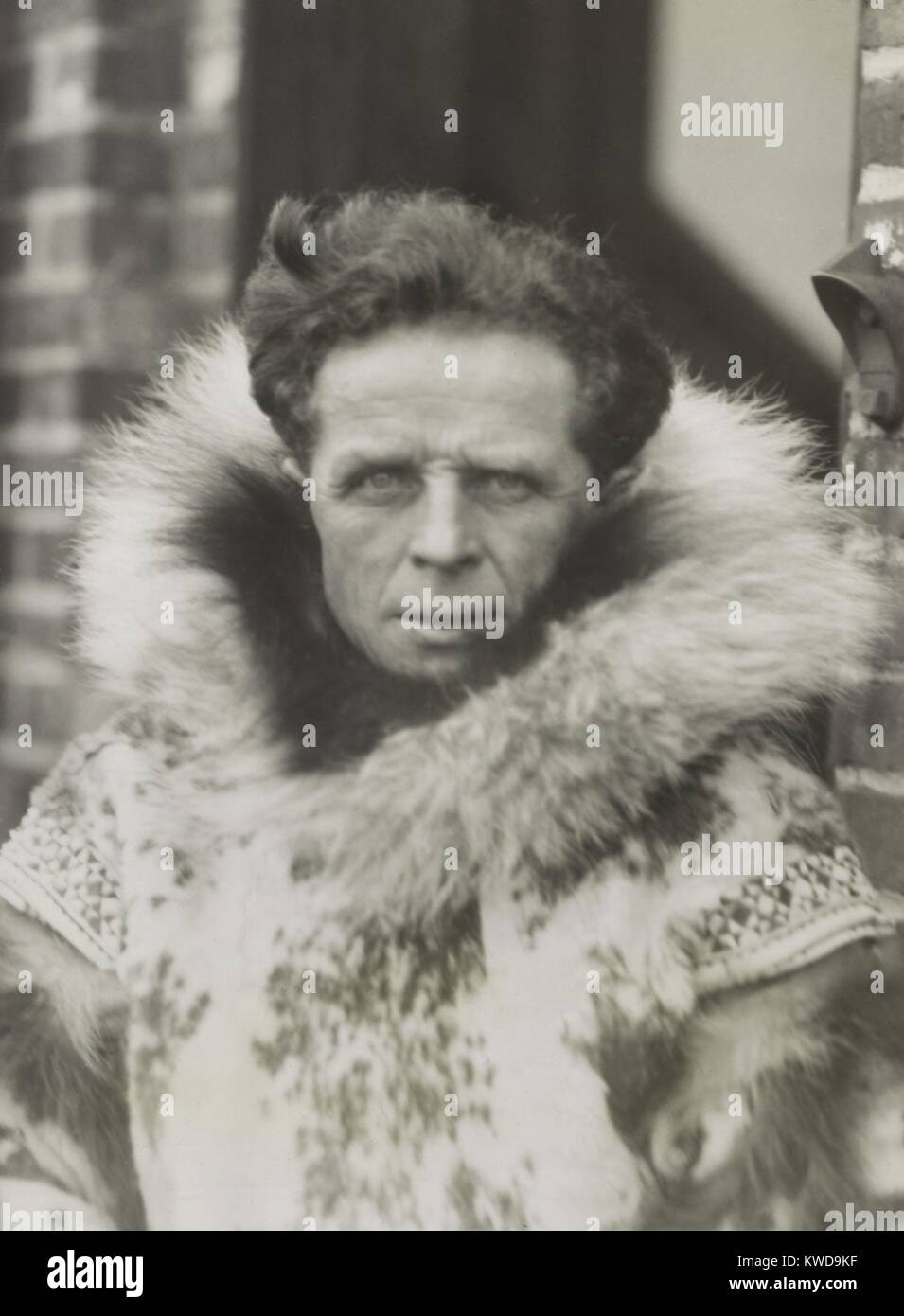
Leonhard Seppala
 Norway
explorer•dogsled musher•gold miner
Birthday
September 14, 1877
Birth Sign
Virgo
Birthplace
Lyngen Municipality, Troms, Norway
Age
Died at 89
About
Leonhard Seppala was a Norwegian-Kven-American dogsled musher, explorer, and gold miner whose name is forever tied to the 1925 serum run to Nome. He and his lead dog Togo covered the longest and most treacherous leg of the relay, nearly 700 miles through -85°F temperatures and shifting sea ice, delivering diphtheria antitoxin that saved a town. Seppala is remembered as a quiet, relentless figure who treated his dogs as partners. He introduced the Siberian Husky breed to America and won the All Alaska Sweepstakes three years running. Today, the Leonhard Seppala Humanitarian Award honors his legacy at the Iditarod.
Early Life & Background
Seppala was born in Lyngen, northern Norway, the eldest child of Isak Seppälä, a Tornedalian blacksmith and fisherman, and Anne Henrikke Henriksdatter. His family name comes from the Finnish word seppä, meaning smith, reflecting his Kven heritage. When he was two, they moved to Skjervøya, a small island where he grew up helping his father. He initially planned to become a blacksmith, but a friend, Jafet Lindeberg, convinced him to try gold mining in Nome, Alaska. His father mocked the idea, but Seppala left anyway. In Nome, he worked for Lindeberg's Pioneer Mining Company, hauling supplies by dogsled up to 100 miles a day. In 1913, Lindeberg gave him a pack of Siberian dogs that had been intended for Roald Amundsen's canceled Arctic expedition. That gift changed everything.
Career Growth
Seppala entered his first All Alaska Sweepstakes in 1914. He won the race in 1915, beating veteran Scotty Allan by two hours, then won again in 1916 and 1917. The race was suspended after that, leaving him a three-time champion. In January 1925, diphtheria broke out in Nome. Seppala's eight-year-old daughter Sigrid was there. He was sent to pick up the serum from Nenana, driving east with Togo as lead dog. They crossed Norton Sound on cracking ice, covered 261 miles in one push, and handed the serum to the next musher. Altogether, Seppala and Togo traveled the longest and most dangerous leg of the relay. After the run, he toured the U.S. with his dogs, introducing the Siberian Husky to the public. He later settled in Alaska, breeding and racing until his death.
Career Timeline
Public Image & Style
Seppala is remembered as a quiet, determined man who cared deeply for his dogs. Media and historians emphasize his bond with Togo and his willingness to risk everything for others. His signature approach was treating dogs as partners, not tools. The Iditarod community holds him in the highest regard, and the Leonhard Seppala Humanitarian Award reflects his values. Fans of sled dog racing and Alaskan history celebrate him annually, especially on January 31, the anniversary of the serum handoff.
Fame & Fandom
Leonhard Seppala commands a global audience defined by historical reverence rather than modern celebrity churn, with his legacy tracked across media coverage, search patterns, and cultural consumption signals worldwide. Per the iFANN Global Fame Rankings, he holds the position of the 20th most famous person from Norway, a placement that has remained steady since the previous cycle.
The scope of this recognition is anchored in the enduring mythos of the 1925 serum run, where Seppala and his lead dog Togo traversed the most perilous leg of the relay. While popular culture often conflates his story with that of Balto, historical scrutiny and recent documentaries have sharpened the focus on Seppala's specific contribution to saving Nome. This shift in narrative has sustained his relevance among historians and sled dog enthusiasts alike.
Regarding his fanbase, no formal name or organized community structure exists for Seppala. There are no official monikers like "Seppalians," nor do fans engage in chart pushes or birthday campaigns typical of contemporary icons. Instead, his supporters consist of historical preservationists, mushing purists, and Alaskan locals who view him as a foundational figure of northern heritage. The closest equivalent to a dedicated fan project is the grassroots campaign launched in 2018 to restore his historic home in Nome, driven by a desire to maintain physical artifacts of his life rather than commercial promotion. His relationship with the public remains strictly professional and geographical, rooted in the respect accorded to a local hero whose athletic prowess and breeding innovations reshaped the Arctic landscape.
Interesting Facts and Legends
Leonhard Seppala introduced the Siberian Husky breed to America entirely through his dogs, establishing a lineage that persists today. He trained his team year-round, utilizing carts during snow-free months to maintain their conditioning. Although his dog Balto, born at his kennels and named after Sami explorer Samuel Balto, achieved greater fame in popular culture, Seppala consistently regarded Togo as the true hero. Togo was initially rejected for being too small and weak, given away as a puppy before returning to prove his worth.
Historical records indicate that Seppala castrated Balto at six months old, following Inuit tradition because he considered the dog subpar compared to Togo; this detail adds a layer of tragic realism to the folklore surrounding the two canines. Seppala also authored an unpublished autobiography detailing his experiences with Togo and the serum run. His legend is further cemented by his victory in the 1914 All-Alaska Sweepstakes, which established his reputation as a master musher prior to the 1925 race.
The narrative of the serum run underwent significant correction in the early 21st century. For decades, the public credited Balto as the sole hero due to being the final dog to enter Nome where the press waited. However, recent scholarship and media coverage have clarified that Seppala and Togo traveled the farthest and most dangerous route, covering nearly 700 miles across shifting sea ice in temperatures reaching -85°F. This distinction has moved the historical record from the "Balto myth" back to the "Seppala-Togo reality," ensuring the true scope of their heroic effort is recognized.
Family & Personal Life
Seppala married Constance, a Belgian immigrant, and they had one daughter, Sigrid. Sigrid was eight during the 1925 outbreak, giving Seppala a personal stake in the run. Constance survived him, dying in 1969. The family lived in Alaska and later Seattle. Seppala's father was a blacksmith who initially opposed his move to America.
Notable Connections
Seppala was closely associated with Jafet Lindeberg, the friend who brought him to Alaska. His lead dog Togo was his closest partner. Balto, also from his kennels, led the final serum run leg under Gunnar Kaasen. Roald Amundsen's canceled expedition indirectly gave Seppala his dogs. Willem Dafoe portrayed him in the 2019 Disney film Togo.
Relationships & Dating History
Seppala married Constance, a Belgian immigrant, in the 1910s. They had one daughter, Sigrid. Constance survived him, dying in 1969. No other romantic relationships are documented.
- MarriedConstance Seppala1910 - 1967Married in the 1910s; had one daughter, Sigrid; Constance survived Seppala.
Death & Aftermath
Died
January 28, 1967 (aged 89)
Death Place
Unknown
Cause of Death
Unknown
Tributes from peers and institutions marked the passing of Leonhard Seppala, recognizing his enduring legacy as one of Alaska's foremost mushers and a central figure in the 1925 serum run to Nome. On January 28, 1967, at the age of 89, the Norwegian-born explorer passed away, though the specific location of his final days and the official medical cause remain unrecorded in available documentation. Details regarding the funeral service, burial location, or immediate family statements have not been preserved in the historical record.
Posthumous recognition has since expanded through induction into the Alaska Sports Hall of Fame and renewed attention following the 2019 Disney film Togo, which featured Willem Dafoe portraying the musher. The Seppala Siberian Husky breed remains a distinct line, and the "Seppala" name is synonymous with sled dog excellence. Citizens have sought to save his historic blue house in downtown Nome as recently as June 2018, indicating ongoing efforts to maintain his physical legacy.
Net Worth (Estate Value)
$1 Million
iFANN Editorial Team estimate
As a historical figure who passed away in 1967, Leonhard Seppala left behind a modest estate managed informally through various historical societies. During his lifetime, his income was derived primarily from gold mining, competitive sled dog racing, and touring exhibitions with his canine teams. Posthumous revenue streams include licensing fees associated with the 2019 Disney film Togo, royalties from books documenting his life, and contributions to museum exhibits featuring his equipment and history.
iFANN currently estimates the total value of his estate at $1 Million. This figure reflects a valuation based on cultural significance and historical impact rather than active commercial enterprise. The assessment incorporates ongoing interest in his legacy, particularly around the anniversary of the serum run, but excludes speculative market fluctuations. As of 2026, the estate maintains this standing, serving as a testament to the enduring appreciation of his contributions to Alaskan history and the sport of mushing.
Awards Won (3)
Seppala won the All Alaska Sweepstakes three consecutive years (1915-1917). He participated in the 1932 Winter Olympics as a demonstration sport. The Leonhard Seppala Humanitarian Award is named in his honor.
1917 · Sled dog racing
All Alaska Sweepstakes
1916 · Sled dog racing
All Alaska Sweepstakes
1915 · Sled dog racing
All Alaska Sweepstakes
Known For
1925 Serum Run to Nome
1925 · Musher
All Alaska Sweepstakes
1915 · Champion
Togo (2019 film)
2019 · Subject
Keywords
Sources
Quick Facts
- Profession
- explorer, dogsled musher, gold miner
- Born
- September 14, 1877
- Birthplace
- Lyngen Municipality, Troms, Norway
- Died
- January 28, 1967
- Death Place
- Seattle, Washington, USA
- Gender
- Male
- Birth Sign
- Virgo
- Spouse
- Constance Seppala
- Children
- Sigrid Seppala
Personal Details
- Full Name
- Leonhard Seppala
- Spouse
- Constance Seppala
- Children
- Sigrid Seppala
Filmography
1
Total
1
Film
0
TV
Frequently Asked Questions
How old was Leonhard Seppala when he died?
Did Leonhard Seppala have children?
What is the Leonhard Seppala Humanitarian Award?
Was Leonhard Seppala in the Olympics?
Who was Leonhard Seppala's famous dog?
Social Media
Similar People
Join the community
fans discussing