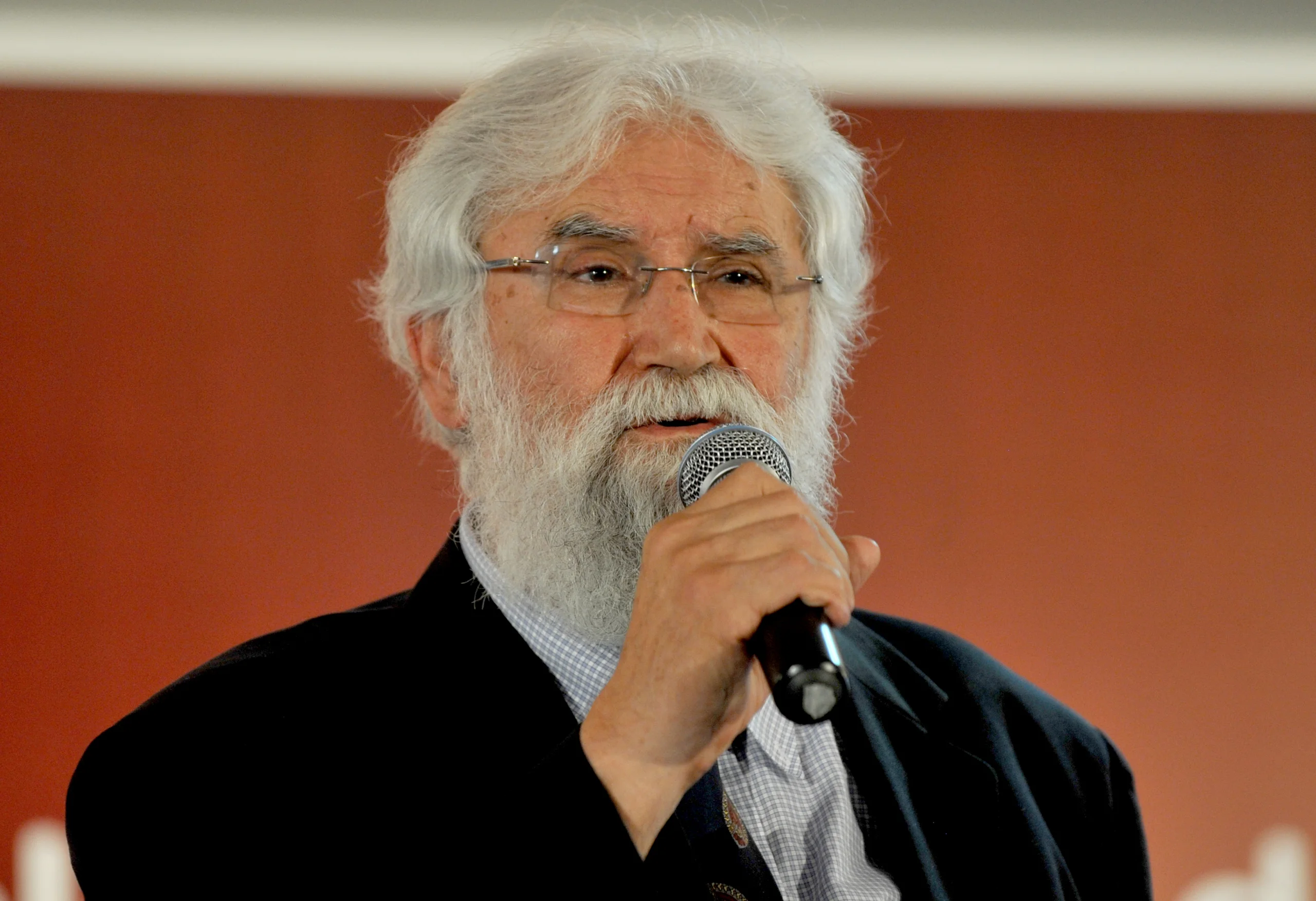
Leonardo Boff
 Brazil
Catholic theologian•philosopher•writer
Also known as: Genézio Darci Boff
Birthday
December 14, 1938
Birth Sign
Sagittarius
Birthplace
Concórdia, Santa Catarina, Brazil
Age
87 years old
About
Leonardo Boff is a Brazilian Catholic theologian, philosopher, and prolific author who emerged as one of the most significant voices in liberation theology during the late twentieth century. Born Genézio Darci Boff in Concórdia, he entered the Franciscan order and was ordained a priest before becoming a professor at the State University of Rio de Janeiro (UERJ). His career is defined by a relentless focus on social justice for the poor and the integration of ecological concerns with spiritual practice. Although he resigned from the priesthood in 1992 following conflicts with the Vatican, he remains an active intellectual force, continuing to publish books and lecture on ethics and spirituality well into his eighties.
Boff's influence extends far beyond academic circles, reaching activists and religious leaders globally. He is best known for works like Jesus Christ Liberator and Cry of the Earth, Cry of the Poor, which argued that faith must be lived out through action against oppression and environmental degradation. In 2001, his contributions were recognized with the Right Livelihood Award, often referred to as the Alternative Nobel Prize. Despite facing a period of silence imposed by the Church in the 1980s, he has maintained his position as a prophetic voice calling for a church rooted in the needs of the marginalized rather than institutional power.
Early Life & Background
Genézio Darci Boff arrived in the world on December 14, 1938, in the southern Brazilian town of Concórdia, located in the state of Santa Catarina. Raised in a devout Catholic family, his early life was steeped in religious tradition, though he would later adopt the name Leonardo, reportedly inspired by the Renaissance polymath Leonardo da Vinci. This choice reflected a lifelong desire to synthesize art, science, and faith into a unified worldview. He joined the Franciscan order at a young age, entering their seminary system where he received his initial formation in philosophy and theology.
His intellectual development took him beyond Brazil's borders as he pursued advanced studies in Europe. He earned a doctorate in theology from the University of Tübingen in Germany and a doctorate in philosophy from the University of Frankfurt. These European experiences exposed him to existentialism and critical theory, frameworks that would profoundly shape his theological methodology. Upon returning to Brazil, he began teaching within the Franciscan order, but his true work started in the Base Ecclesial Communities. These grassroots groups allowed him to engage directly with the rural poor, translating abstract theological concepts into practical tools for community empowerment and social change.
Career Growth
Boff's transition from a traditional clergyman to a global public intellectual began in earnest in the 1960s when he was ordained and started teaching theology in Brazil. His breakthrough moment came in 1971 with the publication of Jesus Christ Liberator, a seminal text that established him as a leading figure in liberation theology. The book argued that Jesus' mission was inherently political, focusing on the liberation of the oppressed, which sparked intense debate within the Church hierarchy. By the mid-1980s, his critiques of clericalism and the Church's alignment with power structures led to direct conflict with the Vatican.
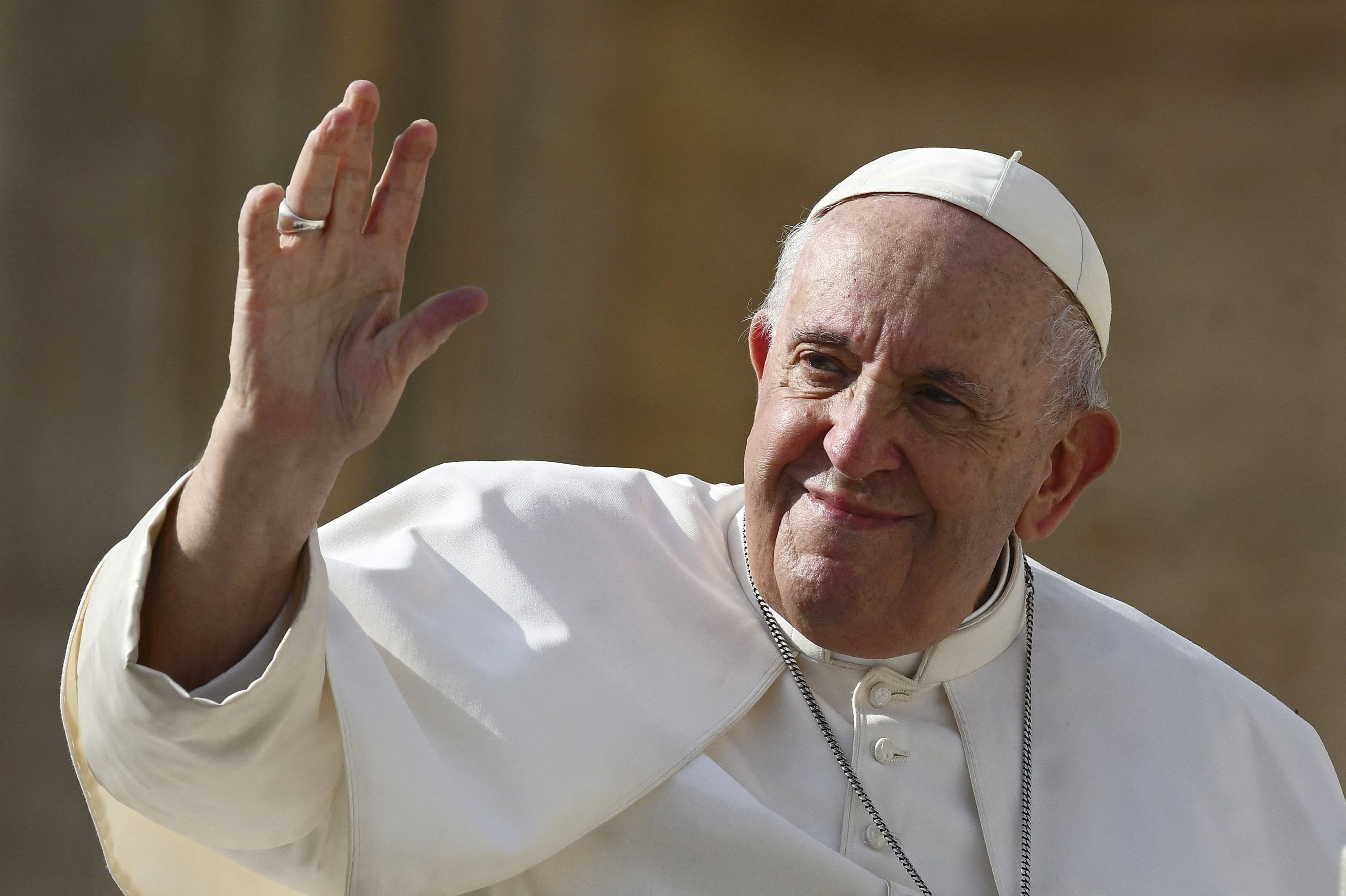
In 1984, the Congregation for the Doctrine of the Faith issued a formal warning against his work, effectively silencing him from public preaching and teaching. This event marked a turning point, transforming him from a controversial teacher into a symbol of resistance for many. Following further tensions over the next several years, Boff chose to leave the Franciscan order and resign from the priesthood in 1992. He stated that he could no longer serve the institution while maintaining his conscience and commitment to the poor. After this break, he joined the faculty of the State University of Rio de Janeiro, where he expanded his focus to include eco-theology and ethics. In 2001, he received the Right Livelihood Award for linking human spirituality with social justice and environmental stewardship. His relationship with the Church saw a notable thaw in 2019 when Pope Francis sent him a personal letter, signaling a recognition of his contributions after decades of tension.
Career Timeline
Public Image & Style
The media portrays Leonardo Boff as a radical ecologist and a prophetic voice who prioritizes truth over institutional loyalty. His style is intellectual yet accessible, often using metaphors of nature and poverty to explain complex theological concepts. He is respected across the spectrum, from progressive Catholics to secular activists, though traditionalists view him with skepticism. Boff is seen as a man who refuses to compromise his principles regarding social justice, earning him the title of a fearless critic of clerical hierarchy. His public presence is characterized by a calm authority and a deep commitment to the marginalized, making him a vital figure in the global conversation on ecology and ethics.
Fame & Fandom (iFAMOUS Rankings)
Leonardo Boff commands a global audience measured in decades of theological discourse and institutional conflict rather than fleeting viral attention. His influence is tracked through the iFANN Global Fame Rankings, which monitor how his ideas on ecology and social justice resonate across media coverage and consumption signals worldwide. In September 2026, he holds the position of the 88th most famous person in Religious Leaders, a placement that reflects his enduring status as a pivotal figure who bridges academic theology with public activism. Despite his prominence, there is no formal name for his fanbase. Unlike pop culture icons who inspire organized rituals or commercial campaigns, Boff's following consists of theologians, activists, and readers united by intellectual alignment with liberation theology. Their engagement occurs through his writings and lectures rather than collective fandom structures or branded gatherings.
Interesting Facts and Legends
Leonardo Boff was born Genézio Darci Boff but changed his name to Leonardo, citing the Italian artist as an inspiration for integrating diverse fields of knowledge. He authored more than 100 books throughout his career, covering topics ranging from ecclesiology to ecology. The 1984 silencing ordered by the Vatican suspended his teaching and preaching activities, yet this period only strengthened his resolve and reputation as a radical critic of clerical hierarchy. A defining legend of his later career involves the 2019 letter from Pope Francis, which served as a historic vindication for a man who had been condemned for decades. Even in his late eighties, he remains a provocateur; in July 2025, he publicly challenged Latin American bishops to offer better news about God, urging them to move beyond institutional preservation to genuine pastoral care.
Notable Quotes
“The ecological crisis is fundamentally a spiritual crisis.”
“I am a theologian of the people, not of the palace.”
“Faith without justice is dead, and justice without faith is blind.”
“We must listen to the cry of the earth and the cry of the poor; they are one and the same.”
Family & Personal Life
Leonardo Boff was born into a devout Catholic family in Concórdia, Brazil, where his early religious upbringing took root. He has maintained a private personal life throughout his public career, with no credible records of marriage or romantic partnerships. As a Franciscan priest from 1960 until his resignation in 1992, he took vows of celibacy. Following his departure from the priesthood, he remained unmarried and did not enter into any public romantic relationships. He does not have children. His sense of family is often described metaphorically as the global community of theologians, activists, and the poor he advocates for. In recent years, he has lived in Rio de Janeiro, focusing on his writing and lecturing.
Notable Connections
Relationships & Dating History
Leonardo Boff has maintained a private personal life throughout his public career. There are no credible records of marriage, engagement, or public romantic relationships. As a Franciscan priest from 1960 until his resignation in 1992, he took vows of celibacy. Following his departure from the priesthood, he remained unmarried and did not enter into any public romantic partnerships. He does not have children. His 'family' is often described metaphorically as the global community of theologians, activists, and the poor he advocates for. In recent years, he has lived in Rio de Janeiro, focusing on his writing and lecturing.
Salary, Net Worth In 2026
$1 Million
iFANN Editorial Team estimate
As an academic theologian and author who resigned from the priesthood and lives a relatively modest lifestyle, Leonardo Boff's net worth is not a subject of high-profile financial reporting. Unlike entertainment figures, his wealth is derived from book royalties, lecture fees, and his emeritus professor salary. Research by the iFANN Editorial Team puts his fortune at around $1 Million. This figure is based on conservative estimates considering his output of over 100 books and international speaking engagements. His assets likely include real estate in Brazil and accumulated wealth from decades of publishing. He does not hold significant business ventures or endorsement deals, reflecting his choice of a life dedicated to service rather than accumulation.
Awards Won (3)
Leonardo Boff has received numerous accolades for his work in theology and social justice. Most notably, he was awarded the Right Livelihood Award in 2001 for his inspiring insights and practical work regarding the links between human spirituality, social justice, and environmental stewardship. He has also received multiple honorary doctorates from universities in Europe and South America, including institutions in Germany and Brazil. In 2025, he was honored alongside Patriarch Bartholomew I by the Franciscan order for their care of the 'Common Home'.
2001 · Social Justice and Environment
General Contributions
1995 · Philosophy
University of Frankfurt
1990 · Theology
University of Tübingen
Known For
Jesus Christ Liberator
1971 · Author
Cry of the Earth, Cry of the Poor
1985 · Author
Ecotheology: A Vision for the Future
1995 · Author
Keywords
Sources
Quick Facts
- Profession
- Catholic priest, writer, philosopher
- Born
- December 14, 1938
- Birthplace
- Concórdia, Santa Catarina, Brazil
- Gender
- Male
- Birth Sign
- Sagittarius
Personal Details
- Full Name
- Genézio Darci Boff
- Children
- Education
- Doctorate in Theology from the University of Tübingen; Doctorate in Philosophy from the University of Frankfurt
Frequently Asked Questions
Is Leonardo Boff still alive?
Why did Leonardo Boff leave the priesthood?
What is Leonardo Boff famous for?
Does Leonardo Boff have a wife or children?
Did Pope Francis forgive Leonardo Boff?
Social Media
Similar People
Join the community
fans discussing