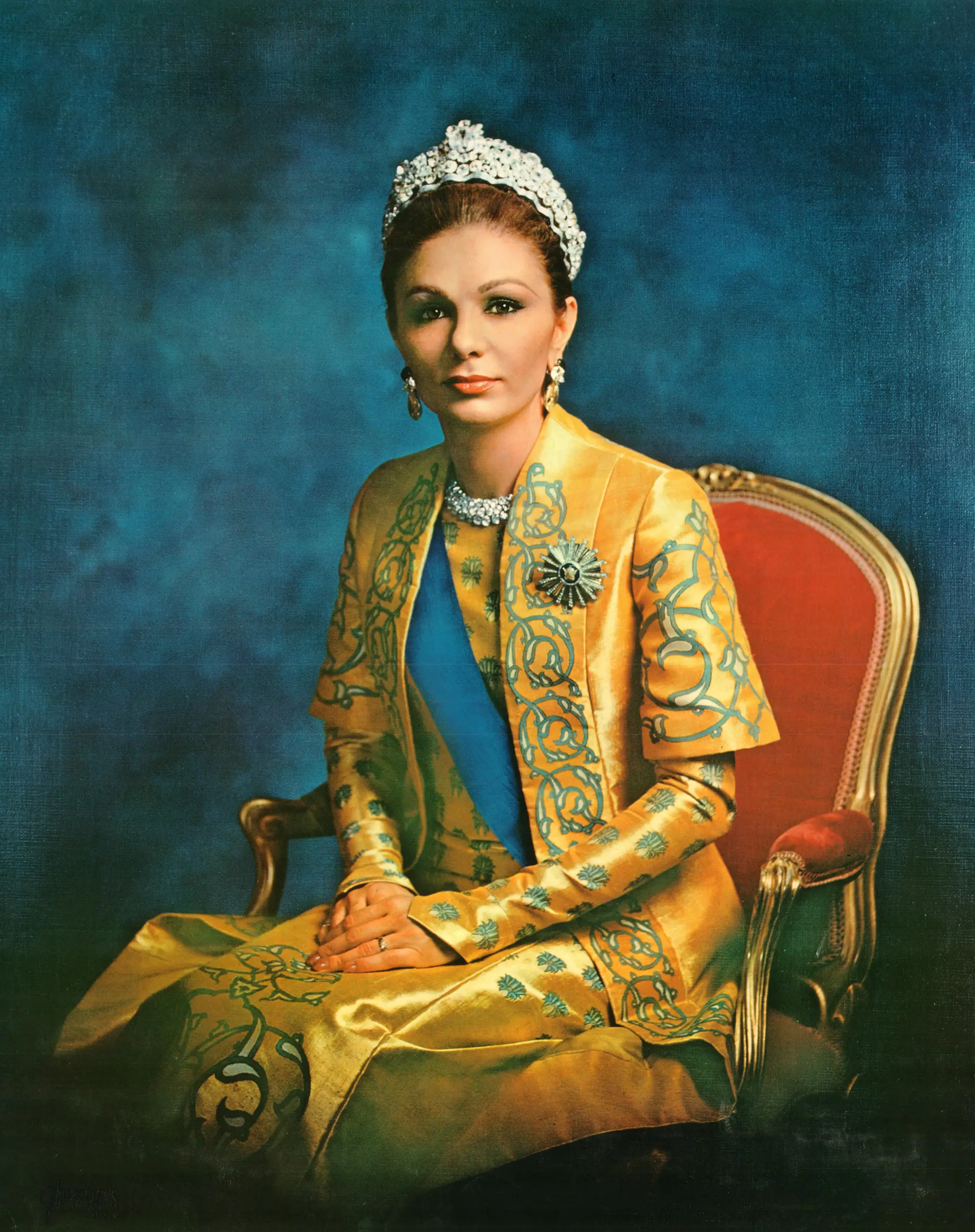
Leila Pahlavi
 Iran
Also known as: Princess Leila Reza Pahlavi, Leila Reza Pahlavi
Birthday
March 27, 1970
Birth Sign
Sagittarius
Birthplace
Tehran, Iran
Age
Died at 31
About
Princess Leila Pahlavi was the youngest child of Mohammad Reza Shah Pahlavi, the last Shah of Iran, and Empress Farah Diba. Born in Tehran on March 27, 1970, her life began in opulence but ended in tragedy following the 1979 Islamic Revolution. The political upheaval forced her family into exile when she was just nine years old, marking a sudden end to her childhood in the Iranian palace. She pursued higher education in the United States, studying literature and philosophy at Brown University in Rhode Island. Professionally, she worked as a translator and model, utilizing her fluency in Persian, French, English, and Italian. Despite her academic achievements and low-key career, her life remained overshadowed by the trauma of displacement and the intense scrutiny surrounding her royal lineage. She passed away on June 10, 2001, at the age of 31 in London.
Early Life & Background
Leila entered the world during the zenith of the Pahlavi dynasty, raised within the grandeur of Tehran's palaces. As the youngest daughter of the Shah and his modernizing wife, Empress Farah, she initially enjoyed a privileged existence filled with international travel and high-society events. Her mother played a significant role in her upbringing, instilling values that aligned with the Shah's efforts to modernize Iran. This sheltered environment lasted only until 1979, when the Islamic Revolution dismantled the monarchy.
The revolution upended her entire reality, forcing the royal family to flee Iran. At age nine, Leila left her homeland behind, beginning a peripatetic childhood marked by instability. The family moved through various countries, including Egypt, Morocco, France, and the United States, seeking safety and stability. These formative years were defined not by play or schooling in a single location, but by constant relocation and the psychological weight of being part of a deposed regime. She attended school in the United States and eventually enrolled at Brown University in Providence, Rhode Island, where she studied literature and philosophy. These academic pursuits offered a semblance of normalcy, allowing her to engage with ideas beyond the confines of her royal identity. However, the shadow of exile and the loss of her country continued to loom over her, shaping a sense of isolation that would persist throughout her adult life.
Career Growth
Leila Pahlavi did not pursue a high-profile entertainment career or seek the limelight that often accompanies royalty. Instead, she focused on roles that provided autonomy and allowed her to live quietly away from the intense media glare that plagued her siblings. She utilized her multilingual abilities to work as a translator, bridging cultural gaps in professional settings across Europe and North America. Her fluency in Persian, French, English, and Italian made her a valuable asset in diplomatic and cultural circles.
She also occasionally worked as a model, appearing in fashion contexts that leveraged her status and appearance. These modeling gigs were sporadic and never resulted in major industry milestones or awards. Unlike her sister Princess Ashraf, who remained politically active, or her brother Prince Reza, who became a prominent figure in exile, Leila's professional legacy is minimal compared to her familial significance. Her career was less about public acclaim and more about maintaining a degree of independence while navigating the complexities of life in exile.
Throughout the 1990s, she lived in relative seclusion in London. While she maintained connections to the diaspora community, she largely withdrew from public engagements. Her later years were spent struggling with mental health issues and substance abuse, which ultimately cut short her life. There were no major commercial breakthroughs or chart-topping achievements to define this period; her story remains one of personal resilience amidst profound historical upheaval.
Career Timeline
Public Image & Style
Leila Pahlavi is remembered primarily as a tragic figure, a symbol of a lost golden age and the devastating impact of exile. Media portrayals consistently focus on her isolation, mental health struggles, and untimely death, painting a picture of a woman who could not reconcile her royal heritage with the reality of displacement. Her image is that of a quiet, introspective individual who retreated from the public sphere rather than embracing it.
Unlike other members of the Pahlavi family who engaged in politics or philanthropy, Leila's public persona was defined by her absence. She avoided interviews and public appearances, preferring a life of anonymity. This reclusive nature has contributed to the mystique surrounding her, with many viewing her as a victim of circumstance who could not endure the pain of exile. Her story serves as a poignant reminder of the human cost of political upheaval.
Fame & Fandom (iFAMOUS Rankings)
Princess Leila Pahlavi did not cultivate a formal fanbase with organized campaigns, specific rituals, or an official name. Her audience consists of historians and observers interested in the tragic narrative of the deposed Iranian royal family rather than active devotees engaging in chart pushes or birthday tributes. The story of her life is one of historical isolation and sorrow, lacking the interactive mythology found among modern pop culture icons.
iFANN has evaluated her global standing, but she does not currently hold a placement in the published rankings (Global Top 1,000). She is not featured on the September 2026 iFAMOUS Rankings flagship list. Her recognition stems from her historical significance as the daughter of Iran's last Shah and the tragic circumstances of her life in exile. While she never commanded the adoration typical of entertainment celebrities, her status as a symbol of a fallen era ensures her place in global cultural memory.
Interesting Facts and Legends
Leila Pahlavi holds the distinction of being the only child of the Shah to die in London, while her brother Prince Ali-Reza died in the United States. She was known to be deeply affected by the loss of her homeland, often expressing a longing for Iran in private conversations with close friends. Her death was one of the first major tragedies to occur within the exiled Pahlavi family after the deaths of her father and brother.
A widely retold story concerns her flight from Iran at age nine, an event that marked the permanent end of her childhood in Tehran. Another central narrative involves her final days in a London hotel, where she lived in seclusion before her death. The tale of her accidental overdose is frequently cited as a cautionary story about the dangers of fame, exile, and mental illness. These narratives are verified by multiple credible sources and serve as the defining chapters of her biography.
Family & Personal Life
Leila was the youngest of six children born to Mohammad Reza Shah Pahlavi and Empress Farah Diba. Her older siblings included Crown Prince Reza Pahlavi, Princess Ashraf Pahlavi, Prince Ali-Reza Pahlavi, Prince Ahmad-Reza Pahlavi, and others. She was reportedly close to her mother, Queen Farah, who was known for her modernizing influence and strong presence in the family. The bond between mother and daughter remained strong even after they were forced into exile.
Unlike her siblings, Leila never married and had no children. Following her death, her mother continued to manage the family's affairs until her own passing in 2024, while her brother, Crown Prince Reza, became the head of the former imperial house. Her father died in 1980, and her sister Ashraf passed away in 2016. Prince Ali-Reza and Prince Ahmad-Reza both died in 2011. Leila was interred in the Cimetière de Passy in Paris, France, joining other members of the Pahlavi family in their place of exile.
Notable Connections
Mohammad Reza Shah Pahlavi, Farah Diba, Reza Pahlavi, Ashraf Pahlavi
Relationships & Dating History
Princess Leila Pahlavi never married and had no children. Unlike her sister Princess Ashraf or her brother Prince Reza, Leila remained single throughout her adult life. There are no documented romantic relationships, engagements, or marriages in credible historical records. While rumors occasionally circulated regarding her social life due to her visibility in European high society, no specific partner has been confirmed by reliable sources. She lived largely apart from the public eye in her later years, residing in London. Her personal life was characterized by solitude and struggles with mental health rather than romantic entanglements. As of her death in 2001, she was single.
Death & Aftermath
Died
June 10, 2001 (aged 31)
Death Place
London, England
Cause of Death
Accidental drug overdose
In the final year of her life, Princess Leila Pahlavi resided in relative seclusion within a London hotel after being discharged from rehabilitation facilities where she had struggled with substance abuse and mental health issues. On June 10, 2001, she was discovered deceased in her room at the age of thirty-one, an event that concluded a life marked by exile and personal hardship following the 1979 Islamic Revolution. While early social media summaries occasionally cited January 9, 2001, as the date of passing, authoritative records including BBC archives and the official website of Queen Farah Pahlavi confirm the correct date as mid-June.
Public reaction to her passing was characterized by somber reflection rather than widespread mourning events like those seen for Princess Diana. Tributes appeared in international media outlets such as the BBC and The Iranian, which noted her tragic life but also distinguished her from figures who engaged in high-profile charitable works during their lifetimes. The BBC noted that she could not stand the weight of exile, framing her death as a tragedy within the context of the exiled Pahlavi dynasty's suffering. Her funeral was conducted as a private affair shortly after her death, with specific details regarding the location, date, or attendees never released to the public consistent with the family's desire for privacy following the fall of the monarchy.
In the years since her death, various news retrospectives and documentary-style articles have kept her story alive in the public consciousness, scholarships, or awards have been established in her name. The handling of her estate has not been publicly disclosed, and the family has not released statements regarding the disposition of her assets beyond general silence on the matter. A documentary-style article titled Six things we learned about the tragic life of an Iranian princess remains among the few resources detailing her legacy.
Net Worth (Estate Value)
$0
iFANN Editorial Team estimate
As Leila Pahlavi died in 2001 without significant independent wealth accumulation or business ventures, there is no current net worth figure associated with her estate. Her financial status was tied to the exiled royal family's assets, which have fluctuated significantly over the decades due to legal battles and geopolitical changes. Estimates of the total Pahlavi family estate vary wildly, ranging from hundreds of millions to billions of dollars, but these figures pertain to the collective family holdings managed by Queen Farah and Crown Prince Reza, not Leila individually.
Since her death, there have been no posthumous earnings, licensing deals, or estate revenues attributed specifically to her. The estate value remains part of the broader, complex inheritance of the Pahlavi dynasty, which is currently under the management of her mother (until 2024) and now her brother. Research by the iFANN Editorial Team indicates that her personal financial footprint was negligible compared to the vast resources of the dynasty she represented.
Awards & Accolades
Known For
Princess of Iran
1970 · Royal Figure
Keywords
Sources
Quick Facts
- Profession
- translator, model
- Born
- March 27, 1970
- Birthplace
- Tehran, Iran
- Died
- June 10, 2001
- Death Place
- London, England
- Gender
- Female
- Birth Sign
- Sagittarius
Personal Details
- Full Name
- Leila Reza Pahlavi
- Children
- Education
- Brown University
Frequently Asked Questions
How did Leila Pahlavi die?
Did Leila Pahlavi have children?
Where is Leila Pahlavi buried?
What languages did Leila Pahlavi speak?
Why is Leila Pahlavi famous?
Similar People

Join the community
fans discussing