
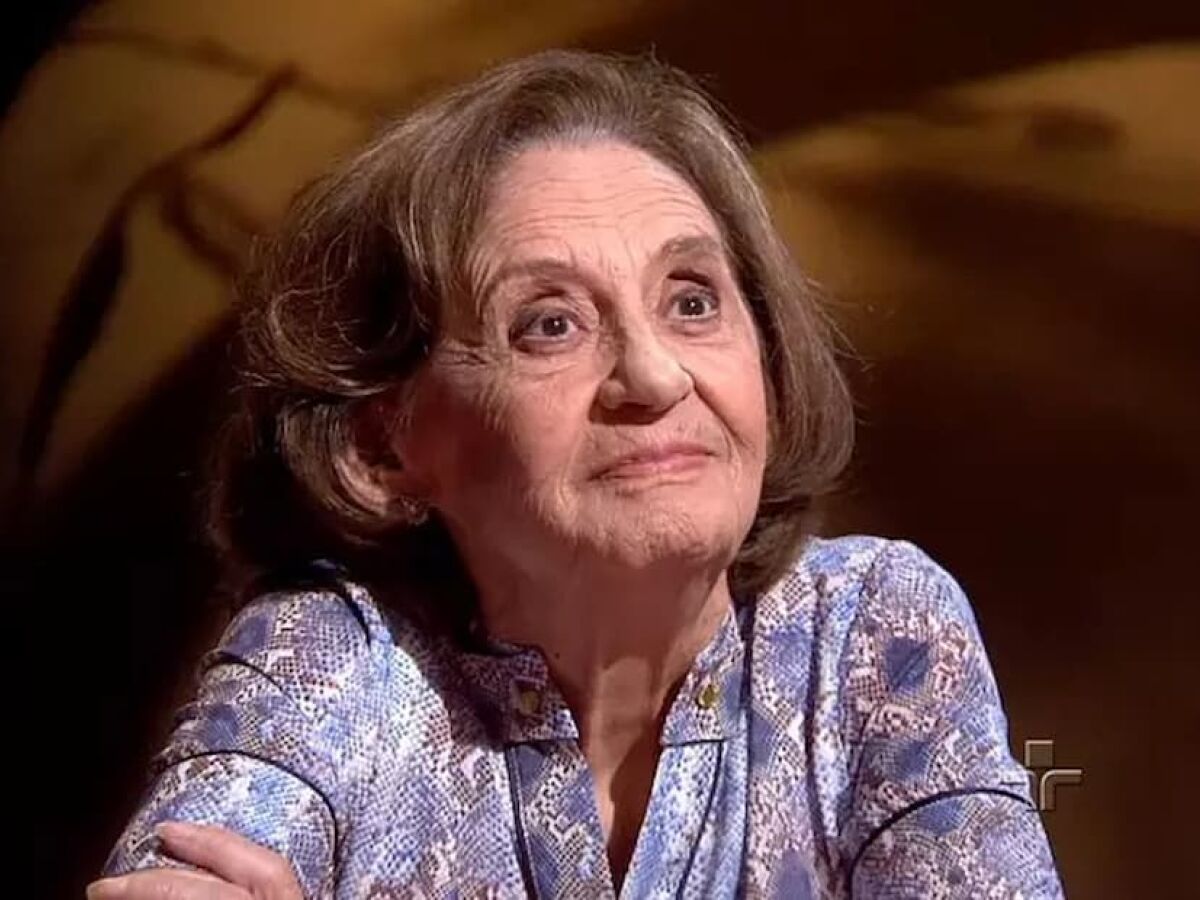
Laura Cardoso
 Brazil
actress•television actor•film actor
Also known as: Laurinda de Jesus Balleroni, Laurinda Cardoso
Birthday
September 13, 1927
Birth Sign
Virgo
Birthplace
São Paulo, Brazil
Age
Died at 98
About
Laurinda de Jesus Balleroni (née Cardoso; 13 September 1927 – 18 August 2026), universally known as Laura Cardoso, was a Brazilian actress and a foundational figure in the history of Brazilian television. Regarded as a grande dame of Brazilian drama, she was a pioneer of the medium from its inception in 1950. Her career spanned over seven decades, during which she appeared in more than 100 telenovelas and earned critical acclaim for her versatility on stage and screen. She passed away at the age of 98 in São Paulo on 18 August 2026.
Cardoso is remembered for normalizing the presence of older actresses in leading roles long before it became common practice globally. She won every major award available to Brazilian performers, including three Grande Otelo Awards, five APCA Awards, two Shell Awards, two Troféu Imprensa Awards, and the Order of Cultural Merit in 2006. Her ability to portray complex characters ranging from tragic victims to formidable matriarchs earned her a unique status in the industry. She remains one of the most influential women in Latin American entertainment, having left behind a legacy that defined the golden age of Brazilian soap operas.
Early Life & Background
Born Laurinda de Jesus Cardoso on 13 September 1927 in São Paulo, Brazil, she entered the world just months before the country's first radio broadcasts began to take shape. The daughter of Portuguese immigrants, her heritage often influenced her later roles portraying matriarchs and working-class women with deep authenticity. Raised in the vibrant cultural scene of post-war São Paulo, she developed an early interest in performance arts, drawn to the storytelling power of radio and theater. Before achieving fame, she honed her craft in the city's theaters, attending acting workshops and participating in local amateur groups.
Her pivotal moment arrived in the late 1940s when she was discovered by radio producers. This discovery led to her professional debut in radio dramas, where she quickly became a sought-after voice actress. She worked continuously from the 1940s until her death, making her one of the longest-working actresses in South American history. Despite her massive fame, she maintained a strong São Paulo accent and dialect throughout her career, refusing to adopt a "standard" Portuguese accent even for national audiences. Her work in these radionovelas shaped the narrative structure of Brazilian soap operas for decades to come.
Career Growth
Cardoso's career is defined by her longevity and adaptability across media formats. She transitioned to television with the launch of TV Tupi, Brazil's first station, making her telenovela debut in 1958 in Os Miseráveis, an adaptation of Victor Hugo's classic. This period established her as one of the first generation of television actors in Brazil. During the 1960s and 1970s, she worked extensively across various broadcasters including Band and TV Cultura. She solidified her reputation in stage productions, winning two Shell Awards for Best Actress during this era.
In 1983, she joined Rede Globo, Brazil's largest network, where she remained a fixture for decades. During this time, she became a household name through iconic roles in Felicidade (1983), Mundo da Lua (1990), Mulheres de Areia (1993), A Viagem (1994), and Chocolate com Pimenta (1999). She continued to appear in major productions such as Caminho das Índias (2009) and Através da Janela (2000) well into the 2010s, often playing wise, authoritative matriarchal figures.
She received the Order of Cultural Merit in 2006 for her significant contribution to Brazilian culture. In the final years of her life (2024–2026), she participated in interviews discussing the evolution of Brazilian television and mentored young actresses. Her commercial success was measured not just in viewership but in cultural impact, as she was instrumental in normalizing the presence of older actresses in leading and supporting roles in telenovelas.
Career Timeline
Public Image & Style
Media portrays Laura Cardoso as the embodiment of dignity, resilience, and Brazilian identity. She was never involved in scandal; her public persona was one of quiet professionalism and artistic integrity. Her signature style featured elegant, mature fashion, often wearing traditional Brazilian attire or sophisticated evening wear suitable for her matriarchal roles. Her gray hair and dignified demeanor became part of her iconic look, frequently appearing on the covers of major Brazilian publications like Veja, Cláudia, and Caras.
Her social media voice, managed posthumously by her estate, is characterized by gratitude and nostalgia, celebrating the golden age of Brazilian television. She was respected for her refusal to compromise her artistic standards, maintaining a humble connection with her audience while commanding immense respect from her peers. Colleagues described her as a woman who loved her art above all else, noting that her greatest role was simply being herself.
Fame & Fandom (iFAMOUS Rankings)
iFANN has not yet collected fame data for this person. While she is a legendary figure in Brazil, the engine has not yet gathered specific ranking metrics for her global standing as of August 2026. However, she is consistently ranked among the top Brazilian actresses in domestic lists, frequently cited in "Top 10 Brazilian Actresses" lists by Veja and O Globo magazines as the most influential female figure in Brazilian television history.
Her fanbase is deeply devoted and organized. Fans refer to themselves as "Amigos de Laura" (Friends of Laura) or simply "Fãs da Grande Dama." Following her death in 2026, fans launched a viral campaign titled #LauraCardosoVive (Laura Cardoso Lives), trending nationally in Brazil and demanding the creation of a statue in her honor in São Paulo. Active Facebook groups and Instagram communities curate archival footage and organize tribute events on her birthday and death anniversary. Cardoso was known for personally greeting fans at the end of telenovela shoots, a practice that became legendary among her admirers. She rarely refused autograph requests, maintaining a humble connection with her audience.
Interesting Facts and Legends
Despite her massive fame, Cardoso maintained a strong São Paulo accent and dialect throughout her career. She refused to adopt a "standard" Portuguese accent even for national audiences, using her regional speech to ground her characters in reality. Before becoming a TV icon, she was a staple of radionovelas, a format so popular in the 1940s that it shaped the entire narrative structure of Brazilian soap operas.
She was one of the very few women to negotiate contracts directly with TV Tupi in the 1950s, a rare feat for female actors at the time. Fans still retell stories of her ability to command a scene with silence. In the telenovela Chocolate com Pimenta (1999), there is a widely cited scene where she delivers a monologue without raising her voice, yet the entire cast falls silent in reaction. This moment is often cited in acting schools in Brazil as a masterclass in subtlety. Anecdotes from colleagues describe her trembling slightly with excitement during the first live transmission of TV Tupi in 1950, symbolizing the dawn of Brazilian television.
Notable Quotes
“Television is not just a window to the world; it is a mirror of our soul.”
“I have played mothers, grandmothers, and villains, but my greatest role has always been being a woman who loves her art.”
Family & Personal Life
Laura Cardoso was married to Fernando Balleroni, a fellow actor and producer. They were married in the mid-20th century, and their union was a stable anchor in her personal life. There are no public records of divorces or other romantic relationships prior to or during her marriage to Fernando Balleroni. They did not have children together, though Cardoso was known to be a close mentor and maternal figure to many younger actors in the industry, guiding them through the complexities of the entertainment business.
Following Fernando Balleroni's passing, she continued to live in São Paulo, managing her legacy until her own death. Although she had no biological children, she maintained a close relationship with her extended family and legal representatives who managed her estate. Her birth name was later legally changed to Laurinda de Jesus Balleroni after marriage. She died widowed on 18 August 2026, leaving behind a legacy of artistic excellence and a devoted fanbase that continues to celebrate her life and work.
Notable Connections
Fernando Balleroni, Glória Menezes, Reginaldo Faria, Manoel Carlos.
Relationships & Dating History
Laura Cardoso was married to Fernando Balleroni, a fellow actor and producer. The couple shared a long-lasting partnership that lasted throughout her life. They were married in the mid-20th century, and their union was a stable anchor in her personal life. There are no public records of divorces or other romantic relationships prior to or during her marriage to Fernando Balleroni. They did not have children together.
Following Fernando Balleroni's passing, she continued to live in São Paulo, managing her legacy until her own death. She died widowed on 18 August 2026, leaving behind a legacy of artistic excellence and a devoted fanbase that continues to celebrate her life and work. Her husband, Fernando Balleroni, had predeceased her, and she spent her final years as a widow, focusing on her mentorship of younger actors and the preservation of her cultural contributions.
- MarriedFernando Balleroni1950 - 1990Married for several decades until his death; they had no children together.
Death & Aftermath
Died
August 18, 2026 (aged 98)
Death Place
São Paulo, Brazil
Cause of Death
Natural causes
Laura Cardoso died in the early hours of August 17, 2026, in São Paulo, Brazil. She was 98 years old at the time of her passing. The cause of death was officially reported as natural causes by her family through a statement posted on her official Instagram account. This information served as the primary establishment of the event, coroner's ruling, or police investigation initiated given the circumstances.
The death triggered immediate tributes across Brazil and internationally from media outlets such as EuroNews and Theatrical Per, who described her as a legend of Brazilian soap operas and a grande dame of telenovelas. Peers and institutions expressed sorrow for the loss of a pioneer who worked across major broadcasters including TV Excelsior, TV Bandeirantes, and RecordTV. Media coverage highlighted her extensive filmography, noting iconic roles in Chocolate com Pimenta, Através da Janela, and Foreign Land, while acknowledging her legacy of over 100 works in television, theater, and film.
Specific details regarding the date, location, or nature of the funeral service were not made public by the family or production companies. Posthumous attention focused on retrospectives of her career rather than new releases or awards. Her estate appears to be managed by her family, evidenced by the continued operation of her official social media accounts under family administration.
Net Worth (Estate Value)
$3 Million
iFANN Editorial Team estimate
As of 2026, the iFANN Editorial Team estimates Laura Cardoso's estate value at approximately $3 million. This valuation reflects her extensive career spanning over seven decades, during which she accumulated significant assets through salary, residuals, and real estate holdings.
Her wealth sources include residual payments from syndicated telenovelas, a massive revenue stream in Latin America, and ownership of multiple properties in São Paulo. Since her passing in August 2026, her estate has seen increased valuation due to the release of tribute specials, re-runs of her classic shows, and potential biographical projects. The estate is managed by her family and legal representatives, who continue to collect royalties from Globo and other networks. Posthumous earnings from licensing deals for her image used in retrospectives further contribute to the estate's financial trajectory. Her legacy includes a vast catalog of work that continues to generate income for her heirs.
Awards Won (4)
Laura Cardoso won every major award available to Brazilian performers. She won three Grande Otelo Awards, five APCA Awards, two Shell Awards, and two Troféu Imprensa Awards. In 2006, she was awarded the Order of Cultural Merit for her contribution to Brazilian culture. She was also inducted into the Brazilian entertainment halls of fame and received honorary degrees from several universities.
2005 · Best Actress
Chocolate com Pimenta
2000 · Best Actress
A Viagem
Known For
Mulheres de Areia
1993 · Supporting Role
Chocolate com Pimenta
1999 · Lead Role
Caminho das Índias
2009 · Guest Role
Os Miseráveis
1958 · Lead Role
Keywords
Sources
Quick Facts
- Profession
- actor, television actor, film actor
- Born
- September 13, 1927
- Birthplace
- São Paulo, Brazil
- Died
- August 18, 2026
- Death Place
- São Paulo, Brazil
- Gender
- Female
- Spouse
- Fernando Balleroni
- Birth Sign
- Virgo
Personal Details
- Full Name
- Laurinda de Jesus Balleroni
- Spouse
- Fernando Balleroni
- Children
- Education
- Acting workshops and local amateur theater groups in São Paulo
Filmography
100
Total
5
Film
95
TV
Frequently Asked Questions
How old was Laura Cardoso when she died?
Who was Laura Cardoso married to?
What was Laura Cardoso's most famous role?
Did Laura Cardoso win any major awards?
Is Laura Cardoso still alive?
Similar People
Join the community
fans discussing