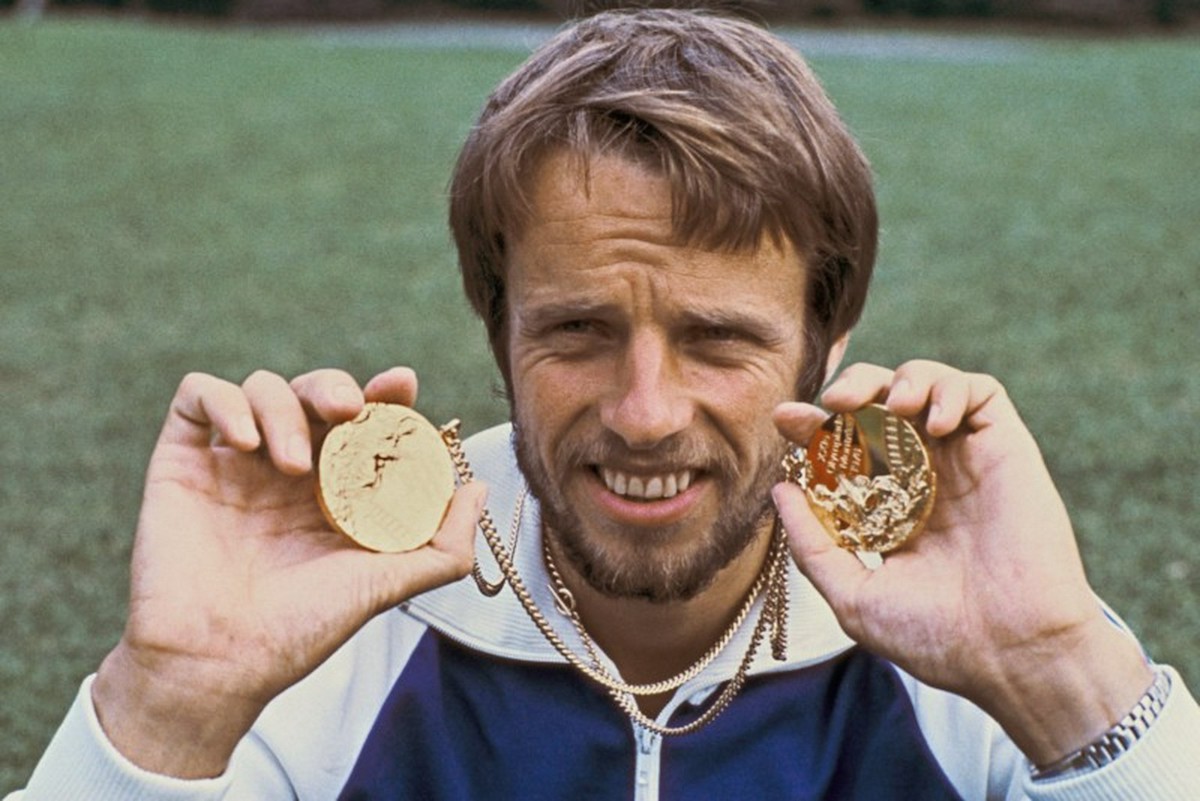
Lasse Virén
 Finland
former long-distance runner•politician•police officer
Also known as: The Flying Finn
Birthday
July 22, 1949
Birth Sign
Cancer
Birthplace
Myrskylä, Finland
Age
77 years old
About
Lasse Virén is a Finnish former long-distance runner who won four Olympic gold medals and later served as a police officer and member of parliament. Born on July 22, 1949, in Myrskylä, Finland, he became one of the most dominant distance runners of his era, reviving the proud Finnish tradition of the "Flying Finns" that began with Paavo Nurmi and Hannes Kolehmainen. His Olympic feats in 1972 and 1976 made him a national hero, and he was twice named Finnish Sportsman of the Year.
After retiring from athletics, Virén transitioned to public service, working as a police officer and then entering politics. He served in the Finnish Parliament from 1999 to 2007 and again from 2010 to 2011. Today, he is remembered as a symbol of resilience and Finnish sporting excellence, his legacy carried by fans who still celebrate his dramatic victories.
Early Life & Background
Lasse Virén grew up in the small rural municipality of Myrskylä in southern Finland, a setting that shaped his character and work ethic. His early life was far from the spotlight of international athletics; he was a modest young man who balanced school with helping on the family farm. Running was a natural part of daily life, and he began competing in local races as a teenager, showing early promise in middle-distance events.
After finishing school, Virén joined the police force, a career that would later provide him with a steady income while he pursued his athletic ambitions. He trained rigorously, often running through the Finnish forests and along country roads, developing the endurance and mental toughness that would become his trademark. His dedication was noticed by coaches who saw potential in his raw talent, and he gradually moved up the ranks of Finnish distance running.
By the late 1960s, Virén was competing internationally, though without major titles. His breakthrough came at the 1972 Munich Olympics, when he was 23 and still a serving policeman. The world was about to witness his remarkable ability to peak on the biggest stage, a skill that would define his career.
Career Growth
Lasse Virén's Olympic career is the stuff of legend. At the 1972 Munich Games, he pulled off a historic double, winning gold in both the 5,000 meters and the 10,000 meters. But his most memorable moment came in the 10,000m final, when he fell mid-race, losing several seconds, yet still managed to catch the leaders and win by a comfortable margin. He then added a third gold in the marathon, an event he had rarely run before, completing a triple that had not been achieved since Emil Zátopek in 1952. His performances were hailed as a revival of Finnish distance running.
Four years later, at the 1976 Montreal Olympics, Virén defended his 5,000m title, becoming the first runner to win that event twice consecutively. He also took bronze in the 10,000m, narrowly missing a repeat double. His Olympic medal haul stood at four golds and one bronze, a record that placed him among the greatest distance runners of all time.
After Montreal, Virén continued to compete, but injuries and age took their toll. He retired from athletics in the early 1980s, turning to coaching and later to public service. His legacy as a resilient champion endured, and he remains a beloved figure in Finland and in the global running community.
Career Timeline
Public Image & Style
Lasse Virén's public image is that of a stoic, determined athlete who embodied the spirit of the "Flying Finns." He was known for his calm demeanor and unshakeable focus, even in the face of adversity. His dramatic fall and recovery in the 1972 Olympic 10,000m became a defining moment of his career, showcasing his resilience and earning him admiration worldwide. In Finland, he is a national hero, celebrated for bringing glory to the country during the Cold War era. Fans remember him not just for his medals, but for his humility and dedication to his craft. His legacy is often invoked in discussions of Finnish sporting greatness, and he remains a source of inspiration for young runners.
Fame & Fandom (iFAMOUS Rankings)
Lasse Virén does not command a modern, organized fanbase with a specific name or active digital campaigns. His legacy is that of a national icon and historical figure rather than a celebrity sustained by fan-led initiatives or social media movements. The reverence for the athlete is commemorative and cultural, rooted in his embodiment of Finnish resilience rather than the rituals of a dedicated following. While he remains a celebrated figure in Finland, there are no records of formal clubs, voting drives, or fan-driven projects dedicated to him. In terms of global recognition, Virén holds a distinct position within the iFANN Global Fame Rankings. He is currently ranked as the 15th most famous person from Finland, a standing that has remained steady through recent cycles. This placement reflects his enduring status as one of the most recognizable figures in his nation's history, particularly regarding his athletic achievements. His fame extends beyond Finland, where he is remembered for reviving the tradition of the Flying Finns and achieving unprecedented Olympic success.
Interesting Facts and Legends
Lasse Virén was known for his intense training regimen, sometimes covering up to 200 kilometers in a single week. He also maintained a deep connection to nature, finding peace as a keen hunter and fisherman in the Finnish wilderness. A lesser-known detail is that he set a world record in the 10,000 meters at the 1972 Olympics, though this mark was eventually broken. His nickname, "The Flying Finn," honored the legendary runners who preceded him, including Paavo Nurmi. After his Olympic fame, he appeared in several Finnish television commercials, an uncommon move for athletes of that era. His legend is further defined by two historic sporting moments. At the 1972 Munich Olympics, he suffered a significant fall early in the 10,000-meter final but recovered to win gold while breaking the seven-year-old world record. Four years later in Montreal, he became the first athlete in history to win both the 5,000 and 10,000 meters at two consecutive Olympic Games. These feats have evolved into a cultural mythology representing Finnish grit and consistency.
Family & Personal Life
Details about Lasse Virén's family are scarce, as he has kept his personal life private. He was born to a farming family in Myrskylä, and his upbringing was rooted in rural values of hard work and perseverance. He has rarely spoken publicly about his parents or siblings, preferring to let his athletic achievements speak for themselves. As of recent reports, he lives in Finland, and while his current marital status is not widely documented, he is known to have children. His family has largely stayed out of the public eye, supporting his career from the sidelines.
Notable Connections
Lasse Virén is associated with the legendary Finnish running tradition, often compared to Paavo Nurmi. His coach, Arthur Lydiard, was instrumental in his training, and he competed against rivals like Frank Shorter, who beat him in the 1972 marathon. In later years, he shared stages with other Olympic greats, and his name is frequently mentioned alongside the best distance runners in history.
Relationships & Dating History
Lasse Virén has kept his romantic life out of the public eye, and little is known about his relationships. He has been married, though the details and dates are not widely reported. As of 2026, his current relationship status is unknown, as he has maintained a low profile regarding personal matters. His focus has always been on his career and family, and he has not been linked to any high-profile partners.
Salary, Net Worth In 2026
$5 Million
iFANN Editorial Team estimate
Per iFANN's editorial analysis, Lasse Virén's net worth is estimated at $5 Million as of 2026. His wealth stems primarily from his athletic career, which included endorsement deals and appearance fees during his peak years in the 1970s. After retiring, he earned a salary as a police officer and later as a member of parliament, which provided a steady income. He has also received various honors and awards, some of which came with financial benefits. In recent years, he has participated in commemorative events and documentaries, adding to his earnings. His net worth reflects a comfortable retirement, though he has never been known for lavish spending.
Awards Won (7)
Lasse Virén's most significant awards are his four Olympic gold medals, which he won in 1972 and 1976. He was twice named Finnish Sportsman of the Year, in 1972 and 1976, recognizing his outstanding achievements. His Olympic success remains his crowning glory, and he is celebrated as one of Finland's greatest athletes.
1976 · Athletics
5,000 meters
1972 · Athletics
5,000 meters
1972 · Athletics
10,000 meters
1972 · Athletics
Marathon
1976 · Athletics
10,000 meters
Known For
Olympic Games 1972
1972 · Won gold in 5,000m, 10,000m, and marathon
Olympic Games 1976
1976 · Won gold in 5,000m and bronze in 10,000m
Keywords
Sources
Quick Facts
- Profession
- politician, athletics competitor, police officer
- Born
- July 22, 1949
- Birthplace
- Myrskylä, Finland
- Gender
- Male
- Birth Sign
- Cancer
- Olympic Gold Medals
- 4
- Finnish Sportsman of the Year
- 1972, 1976
Personal Details
- Full Name
- Lasse Artturi Virén
Frequently Asked Questions
Who is Lasse Virén?
What are Lasse Virén's major achievements?
When was Lasse Virén born?
What did Lasse Virén do besides running?
What is Lasse Virén's net worth in 2026?
Similar People
Join the community
fans discussing