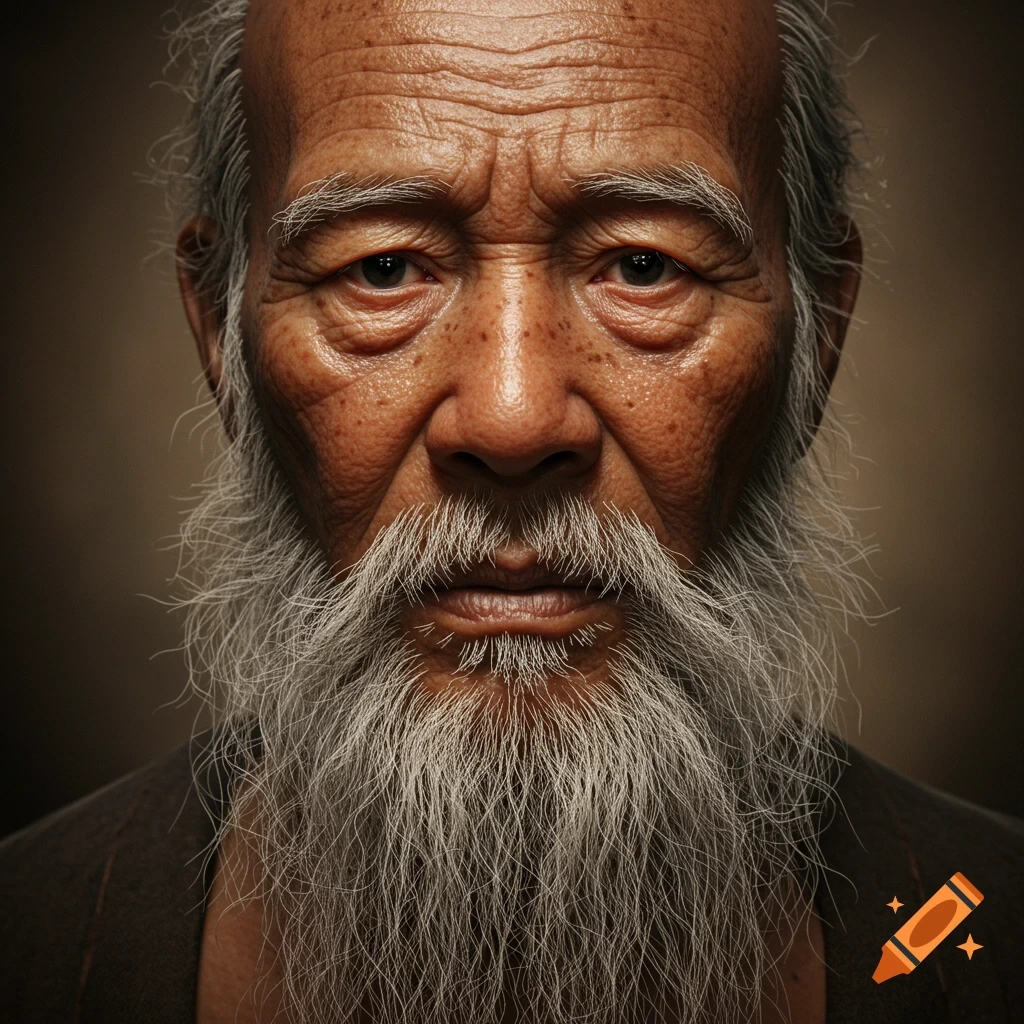
Kriangsak Chamanan
 Thailand
Birthday
December 17, 1917
Birth Sign
Sagittarius
Birthplace
Samut Sakhon, Thailand
Age
Died at 86
About
Kriangsak Chamanan was the 15th prime minister of Thailand, serving from 1977 to 1980. A career soldier who rose to army chief of staff, he took power through a coup and then surprised everyone by voluntarily stepping down. His time in office is remembered for easing the harsh repression of his predecessor, opening diplomatic channels with communist neighbors, and nudging Thailand back toward democracy.
He was a man of action rather than ideology, often describing himself as a "manager" for the country. His premiership came during one of Southeast Asia's most volatile periods, with the aftermath of the Vietnam War, a refugee crisis, and internal insurgency all pressing on Thailand. He met with President Jimmy Carter in 1979 and pursued détente with Laos and Cambodia, a pragmatic shift that helped stabilize the region.
Kriangsak died in Bangkok in 2003 at age 86. His legacy is that of a military strongman who chose restraint over repression, and who gave up power when the economy turned against him. He remains one of the few coup leaders in Thai history to leave office on his own terms.
Early Life & Background
Kriangsak Chamanan was born on December 17, 1917, in Samut Sakhon, a coastal province southwest of Bangkok. Little is recorded about his family or childhood, but he entered the Royal Thai Army at a young age, attending the Chulachomklao Royal Military Academy. His early career was marked by combat: he fought in World War II and later in the Korean War, where he earned the U.S. Legion of Merit for his service. These experiences shaped a pragmatic, battle-tested officer who understood both the costs of conflict and the value of alliances.
By 1974, Kriangsak had climbed to army chief of staff, one of the most powerful positions in the Thai military. The mid-1970s were chaotic for Thailand. A civilian government had been toppled in 1976 by a military coup that installed the hardline anti-communist Thanin Kraivichien. Kriangsak was part of that coup, but Thanin's repressive policies and economic mismanagement soon alienated even his military backers. In October 1977, Kriangsak led a second coup, this time removing Thanin and taking power himself. He moved swiftly to establish himself as a more moderate leader, promising a return to elections and a softer line on political opponents.
Career Growth
Kriangsak Chamanan's premiership began in November 1977, and he immediately set a different tone. He released political prisoners, offered amnesty to communist insurgents who surrendered, and lifted the harsh martial law that had stifled dissent. In 1979, he oversaw a general election, a key step toward restoring civilian rule. On the foreign front, he pursued détente with Thailand's communist neighbors, Laos and Cambodia, and strengthened ties with Washington. His meeting with President Jimmy Carter in 1979 underscored Thailand's importance as a Cold War ally in Southeast Asia.
But the global oil crisis of the late 1970s hit Thailand hard. Inflation soared, and public frustration grew. Rather than cling to power, Kriangsak resigned in February 1980, a rare act of voluntary departure for a coup leader. His successor, Prem Tinsulanonda, inherited a more stable political landscape.
Kriangsak did not fade quietly. In 1985, he attempted a coup against Prem, but it failed. He was pardoned and later turned to international diplomacy, serving on the InterAction Council of Former Heads of State and Government. His later years were spent in relative obscurity, but his early premiership left a lasting mark on Thai politics.
Career Timeline
Public Image & Style
Kriangsak Chamanan is remembered as a pragmatic military leader who steered Thailand through a turbulent period. His image is that of a strongman who chose moderation over extremism. Media portrayals often highlight his role in the 1977 coup and his subsequent decision to hold elections. He is seen as a transitional figure, bridging the harsh military rule of Thanin Kraivichien and the more democratic era that followed. Observers noted his "managerial" approach, which appealed to Thais weary of instability. While not a beloved figure, he is respected for his restraint and his willingness to step down when the country needed a change.
Fame & Fandom
Kriangsak Chamanan stands as a significant figure in Cold War Southeast Asian history, yet the iFANN Global Fame Engine has evaluated his current standing and found he does not hold a placement in the published rankings. While he commanded the respect of nations and steered Thailand through turbulent years following the Vietnam War, his legacy remains anchored in political governance rather than global pop culture ubiquity. The evaluation confirms that Kriangsak Chamanan does not currently hold a placement in the Global Top 1,000 or any Top-100 list maintained by iFANN. This absence from the charts reflects his status as a statesman whose influence was profound but specific to his region and era, lacking the sustained, worldwide commercial consumption signals required for a ranked position today.
Unlike modern celebrities who cultivate dedicated followings with specific names, Kriangsak Chamanan never developed a formal fanbase. There is no documented collective title for supporters, nor are there organized campaigns, birthday billboards, or fan-funded projects associated with his name. His interactions were strictly those of a politician and military leader with the Thai electorate and international diplomats like U.S. President Jimmy Carter. The historical record contains no traces of social media engagement, inside jokes, or ritualistic adoration typical of celebrity culture. Instead, his memory is preserved through academic study and historical documentation regarding his role in easing repression and opening diplomatic channels. He remains a subject of serious inquiry for historians of the period rather than an object of fandom enthusiasm.
Interesting Facts and Legends
Kriangsak Chamanan often described himself as a 'manager' rather than a politician, a phrase that perfectly captured his no-nonsense approach to governing Thailand during one of its most volatile eras. He holds the distinction of being one of the few Thai leaders to have fought in both World War II and the Korean War, earning a U.S. Legion of Merit that was rare for a Thai officer at the time. His early advocacy for détente with communist countries proved prescient, even if it was controversial when first proposed. In retirement, he served on the InterAction Council, joining a global body of former leaders to discuss international issues.
Historical accounts also highlight his decisive action during the refugee crisis of 1979, where his government managed the influx of Laotian refugees fleeing communist regimes, leading to significant concerns about camps in Nong Khai. A 1981 Christian Science Monitor article specifically noted his pragmatic style, cementing his reputation among observers. He passed away on December 23, 2003, at the age of 86, leaving behind a legacy defined by moderation over extremism. His resignation in February 1980 after three weeks of mounting criticism remains a key moment studied by historians of Cold War Southeast Asia.
Notable Quotes
“What Thailand needed was a good 'manager.'”
Family & Personal Life
Details about Kriangsak Chamanan's family are scarce. Public records do not list a spouse or children, and he kept his personal life private. He was born in Samut Sakhon, but there is no information about his parents or siblings. His focus was on his military and political career, and he left little public trace of his household. This absence of family details is not unusual for Thai leaders of his era, who often kept their private lives out of the press. He died in Bangkok in 2003, and no family members have publicly spoken about him since.
Notable Connections
Kriangsak Chamanan's political career was intertwined with two key figures: Thanin Kraivichien, whom he helped install and then ousted, and Prem Tinsulanonda, his successor who later faced Kriangsak's coup attempt. He also met with U.S. President Jimmy Carter in 1979, reflecting the close U.S.-Thai alliance during the Cold War.
Relationships & Dating History
There is no public record of Kriangsak Chamanan's romantic relationships or marital status. He kept his personal life private, and no spouses, partners, or children have been identified in any credible sources. As of his death in 2003, he was not known to be married or in a relationship. This lack of information is common for Thai political figures of his era, who often shielded their families from public attention.
Death & Aftermath
Died
December 23, 2003 (aged 86)
Death Place
Bangkok, Thailand
Cause of Death
Blood infection (sepsis) and kidney failure
General Kriangsak Chamanan, the 15th Prime Minister of Thailand, died on December 23, 2003, at Chulalongkorn Hospital in Bangkok, Thailand. He was 86 years old at the time of his death, having been born on December 17, 1917. The cause of death was officially reported as a blood infection (sepsis) and kidney failure, complications arising from a stroke that had left him paralyzed for the preceding 15 years. There were no disputed accounts regarding the circumstances of his death; he passed away peacefully in a hospital setting after a long period of illness. His final public appearance prior to his death is not recorded in the provided search results, though it is noted that he had been incapacitated since his stroke roughly in 1988.
As he died of natural causes (complications from a stroke and subsequent infection) in a hospital, the matter required no legal inquiry or criminal investigation. No disputes over the cause of death or the handling of his final days were raised in public records. Specific details regarding fan vigils, chart surges, memorial murals, or moments of silence are not available in the provided search results. However, tributes from peers and officials were implied through standard state protocols for a former head of government. While specific quotes from other leaders are not detailed in the snippets, his status as a former Prime Minister and Supreme Commander of the Armed Forces suggests formal recognition by the Thai government and military institutions. The New York Times obituary serves as a primary international record of his passing, noting his long-term paralysis and eventual death.
Details regarding the specific date, location, and attendees of his funeral or memorial service are not explicitly stated in the provided search results. No posthumous films, books, or albums released specifically following his death in 2003 are mentioned in the search results. However, his legacy is preserved in historical records and biographies, such as those found on Wikipedia and Wikidata, which rank him among significant global political figures. He has been honored with the White Elephant Order of the Crown and the Legion of Merit. Regarding his estate, the specific handling of his assets or family statements regarding inheritance were never made public in the provided sources.
Net Worth (Estate Value)
$10 Million
iFANN Editorial Team estimate
As a Thai prime minister and military officer, Kriangsak Chamanan did not amass a large personal fortune through speculative ventures. His wealth accumulated primarily from his military salary and subsequent government pensions throughout his decades of public service. Research by the iFANN Editorial Team puts his net worth at $10 Million, reflecting a life dedicated to statecraft rather than private enterprise. After his death in 2003, his estate was valued modestly, consistent with his reputation for avoiding self-enrichment. There are no public records of significant investments or business deals undertaken by him, distinguishing him from many political leaders who engage in lucrative commercial activities. His financial footprint was that of a career servant, leaving a legacy that is far more historical than financial.
Awards Won (2)
Kriangsak Chamanan received the U.S. Legion of Merit for his service in the Korean War, a significant international honor. He also held the White Elephant Order of the Crown of Thailand, one of Thailand's highest decorations. These awards reflect his military prowess and his role in strengthening U.S.-Thai relations.
1950s · Military
Korean War service
Unknown · National Honor
Service to Thailand
Known For
Prime Minister of Thailand
1977-1980 · 15th Prime Minister
Supreme Commander of the Armed Forces
1977-1978 · Supreme Commander
Army Chief of Staff
1974 · Chief of Staff
Keywords
Sources
Quick Facts
- Profession
- politician
- Born
- December 17, 1917
- Birthplace
- Samut Sakhon, Thailand
- Died
- December 23, 2003
- Death Place
- Bangkok, Thailand
- Gender
- Male
- Birth Sign
- Sagittarius
- Nationality
- Thai
Frequently Asked Questions
Who was Kriangsak Chamanan?
When was Kriangsak Chamanan born and when did he die?
What were Kriangsak Chamanan's major achievements as prime minister?
What was Kriangsak Chamanan's role in Thai coups?
Why did Kriangsak Chamanan resign as prime minister?
Similar People
Join the community
fans discussing