
Khalid Al-Islambuli
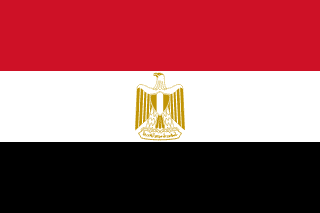 Egypt
EgyptAlso known as: Khaled Islambouly, Khalid Ahmed Showky El Islambouli
Birthday
January 15, 1955
Birth Sign
Capricorn
Birthplace
Minya, Egypt
Age
Died at 27
About
Khalid Al-Islambuli was an Egyptian army lieutenant who assassinated President Anwar Sadat on October 6, 1981. A member of Egyptian Islamic Jihad, he opposed Sadat's peace treaty with Israel and his crackdown on Islamist groups. His actions led to his execution by firing squad on April 15, 1982, at the age of 27.
In the decades since, Al-Islambuli has been vilified in the West and mainstream Egyptian media as a terrorist, while some Islamist circles revere him as a martyr. His legacy includes a Tehran street named in his honor, which was renamed in 2025, and an al-Qaeda-affiliated brigade bearing his name.
Early Life & Background
Khalid Al-Islambuli was born on January 15, 1955, in Minya, Egypt, to Ahmed Shawky al-Islambouli, a lawyer who had been imprisoned for opposing President Gamal Abdel Nasser. This family history of dissent shaped his early worldview.
He pursued a military career, graduating from the Egyptian Military Academy and rising to the rank of lieutenant. During the late 1970s, he became radicalized through his association with Egyptian Islamic Jihad, an Islamist militant organization. His opposition to Sadat centered on the Camp David Accords and the 1979 peace treaty with Israel, as well as Sadat's domestic suppression of Islamist groups.
By 1981, Al-Islambuli was assigned to participate in the annual 6th October victory parade, which provided the opportunity for the assassination.
Career Growth
Al-Islambuli's military career was conventional until the assassination. On October 6, 1981, during the victory parade in Cairo, he and fellow jihadists attacked the reviewing stand with grenades and gunfire, killing President Sadat and injuring others. He was the lead assailant.
After the attack, he was tried by a military court. On November 12, 1981, he was indicted on charges of premeditated murder. At trial, despite pleading not guilty, he reportedly blurted out that he had killed Sadat. On March 6, 1982, he was sentenced to death, and he was executed by firing squad on April 15, 1982, alongside four other conspirators.
Posthumously, his name became a symbol in militant circles. His brother Mohammed led the Islambouli Brigade, an al-Qaeda affiliate. In Tehran, a street was named after him, which was renamed to Hassan Nasrallah Street in June 2025 amid Iran-Egypt rapprochement.
Career Timeline
Public Image & Style
In Western and mainstream Egyptian media, Al-Islambuli is portrayed as a terrorist and assassin, a radical Islamist who murdered a leader who had signed a peace treaty with Israel. Britannica describes him as an Islamic extremist.
In Islamist and militant circles, he is celebrated as a martyr and hero. His image appears in jihadist propaganda, and his mother's 2012 statements reflect this veneration. There is no conventional fan culture; his following exists within extremist ideological circles.
Fame & Fandom
Khalid Al-Islambuli does not possess a documented fandom name, as his historical role precludes the existence of an organized fanbase in the traditional sense. While certain extremist circles venerate him as a martyr and his image appears in jihadist propaganda, these groups operate as ideological factions rather than a cultural fandom with rituals, campaigns, or a formal collective identity. The only widely retold narrative surrounding his life is the verified assassination of President Anwar Sadat during the 1981 victory parade, an event treated as historical fact rather than folklore. Regarding his standing in global recognition, iFANN has evaluated his profile but he currently holds no placement in the published Global Top 1,000 rankings or any Top-100 scope list. This status reflects that while his actions generated significant geopolitical friction, they did not translate into the sustained public consumption metrics required for a ranked position. Consequently, Khalid Al-Islambuli is currently an unranked figure in the iFANN Global Fame Engine, meaning he falls outside the quantified hierarchy of global celebrity. His legacy remains confined to specific political contexts and militant literature rather than broad popular culture. Although a street in Tehran bore his name for over four decades, recent diplomatic shifts have led to its renaming, further illustrating that his international visibility is tied to shifting geopolitical tides rather than enduring fame. No fan campaigns, birthday tributes, or social media movements are documented for this individual. The absence of a fandom name and the lack of a numerical rank indicate that his influence is historical and controversial, lacking the commercial or cultural momentum that defines modern fame.
Interesting Facts and Legends
Khalid Al-Islambuli's father had been imprisoned under Gamal Abdel Nasser, establishing a family tradition of opposition to Egyptian rulers. At his trial, he reportedly confessed to killing Sadat despite formally pleading not guilty. He was executed alongside four other conspirators by firing squad on April 15, 1982. His brother Mohammed later led the al-Qaeda-affiliated Islambouli Brigade. A street in Tehran named in his honor existed for over four decades before being renamed in 2025 as part of diplomatic efforts to ease tensions with Egypt. The assassination itself stands as the sole iconic moment associated with his name; during the October 6, 1981 victory parade in Cairo, he opened fire on the reviewing stand along with fellow conspirators, killing President Anwar Sadat. This event resulted in the immediate arrest of the group and a subsequent trial where 24 individuals were charged with conspiracy. His mother publicly expressed pride in her son's actions in 2012, stating she was proud that Khaled killed Anwar Sadat. These events form the complete record of his life and death, with no additional folklore or viral moments emerging in the decades since his execution.
Notable Quotes
“I'm proud my son Khaled killed Anwar Sadat.”
Family & Personal Life
Al-Islambuli's father, Ahmed Shawky al-Islambouli, was a lawyer imprisoned under Nasser for political opposition. His mother survived him and publicly expressed pride in his actions in 2012, stating he was defending the honour of the Islamic nation. His brother Mohammed Islambouli became a leader in the Islambouli Brigade, an al-Qaeda-affiliated faction named in Khalid's honor.
There are no records of Al-Islambuli having a wife or children.
Notable Connections
Relationships & Dating History
Death & Aftermath
Died
April 15, 1982 (aged 27)
Death Place
Cairo, Egypt
Cause of Death
Reported execution by firing squad
Following the assassination of President Anwar Sadat in October 1981, Khalid Al-Islambuli remained in custody at Tora Prison while awaiting trial by an Egyptian military court. His final public appearance occurred during the sentencing phase in early March 1982, where he reportedly defended his actions as a defense of the Islamic nation before shouting threats against Israel. On April 15, 1982, the state carried out a death sentence imposed on five conspirators, executing Al-Islambuli by firing squad within the prison grounds in Cairo. The legal proceedings concluded with a swift verdict from the military tribunal, which found him guilty of treason and murder.
The reaction to his execution reflected the deep political divisions of the era, with the Egyptian government treating the event as a necessary restoration of order against Islamist extremism. While mainstream media vilified him as a terrorist, certain militant circles subsequently revered him as a martyr, cementing his status as a symbol for groups like the Egyptian Islamic Jihad. In Tehran, a street was named in his honor, serving as a de facto memorial that remained a point of diplomatic contention between Iran and Egypt until its renaming in June 2025 to Hassan Nasrallah Street.
Net Worth (Estate Value)
$0
iFANN Editorial Team estimate
Per iFANN's editorial analysis, Khalid Al-Islambuli held no known personal wealth at the time of his death. Serving as a lieutenant in the Egyptian Army, his earnings were modest, and there are no documented assets or business ventures attributed to him. His estate carries no reported value, and there exist no posthumous revenue streams such as royalties or licensing deals. The only financial dimension of his legacy involves the ideological use of his name by militant groups, which generates no commercial value. As of 2026, the total estimated net worth is $0.
Awards & Accolades
View 2 records, honours and achievementsKnown For
Assassination of Anwar Sadat
1981 · Lead assailant
Keywords
Sources
Quick Facts
- Profession
- military personnel
- Born
- +1955-01-15
- Birthplace
- Minya
- Died
- +1982-04-15
- Death Place
- Giza
- Gender
- Male
- Birth Sign
- Capricorn
Personal Details
- Full Name
- Khalid Ahmed Showky Al-Islambuli
- Education
- Egyptian Military Academy
Frequently Asked Questions
Who was Khalid Al-Islambuli?
Why did Khalid Al-Islambuli kill Sadat?
When and how was Khalid Al-Islambuli executed?
Did Khalid Al-Islambuli have a family?
Where is Khalid Al-Islambuli Street?
Join the community
fans discussing