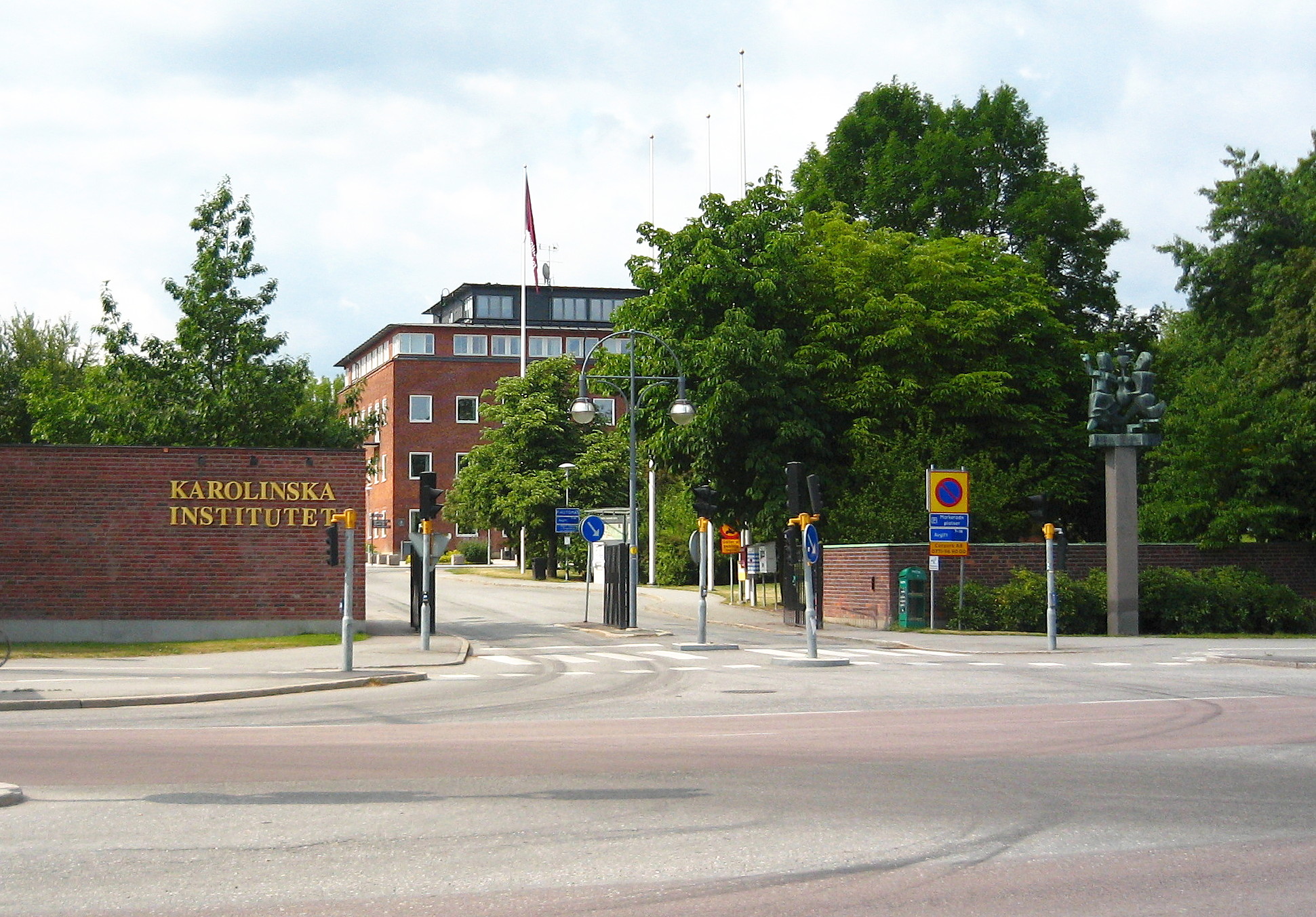
Karolinska Institute
 Sweden
"Advancing knowledge about life and health"
About
Karolinska Institute, or KI, is a public medical university in Solna, just north of Stockholm. It's one of the world's leading medical schools, with a research output that has shaped modern medicine. The Nobel Assembly at KI, made up of fifty professors from the faculty, selects the Nobel Prize in Physiology or Medicine each year, giving the institute a unique place in global science.
Founded in 1810, KI has grown from a small army surgeon training school into a sprawling institution. Its main campus sits next to Karolinska University Hospital, and a second campus is in Flemingsberg to the south. With an annual budget around 800 million euros, KI funds research across cancer, epidemiology, immunology, neuroscience, and more. The current vice-chancellor, Annika Östman Wernerson, took office in 2023, bringing a background in kidney and transplant science.
KI's influence reaches far beyond Sweden. Its researchers collaborate with institutions worldwide, and its alumni include numerous Nobel laureates. The institute also runs the Karolinska Institutet University Library, a major research hub. For anyone in medicine, KI is a name that carries weight, not just for its history but for the work happening in its labs right now.
Mission
Karolinska Institute's mission is to advance knowledge about life and health through world-class research and education. The institute aims to improve human health by translating scientific discoveries into clinical practice. KI is committed to training the next generation of medical researchers and practitioners, and to fostering an environment where curiosity and innovation thrive. It also emphasizes collaboration with healthcare providers and international partners to address global health challenges.
History
In 1810, King Charles XIII of Sweden founded the Medico-Surgical Institute to train army surgeons. The name changed to Karolinska Institutet in 1822, a nod to the king's name. For decades it remained a small school, but the 20th century brought transformation. In 1901, the Nobel Assembly at KI awarded the first Nobel Prize in Physiology or Medicine, cementing the institute's role in global science.
Research expanded rapidly after World War II. KI grew into a full medical university, opening new departments and attracting international talent. The 1970s and 80s saw major breakthroughs in immunology and epidemiology. In 2015, the Paolo Macchiarini scandal shook the institution. The surgeon had conducted experimental trachea transplants that later proved fraudulent, leading to public scrutiny and internal reforms. KI strengthened its research oversight and clinical governance, and by the 2020s it had rebuilt its reputation.
Today, KI operates two campuses, partners closely with Karolinska University Hospital, and runs strategic research programs in areas like climate change and diabetes. The institute's history is one of continuous evolution, shaped by scientific ambition and occasional controversy.
Subdivisions
Stockholm Centre for Climate Change Transformation
Focuses on research and solutions for climate change impacts on health.
Cancer Research KI
Coordinates cancer research across the institute, from basic biology to clinical trials.
Strategic Research Programme in Diabetes
Supports diabetes research, aiming for better prevention and treatment.
Notable People
Annika Östman Wernerson
President (Vice-Chancellor) · 2023-present
Professor of Kidney and Transplant Science; leads KI's strategic direction.
Martin Bergö
Vice President · 2023-present
Chairs the Faculty Board; oversees research and education.
Milestones
1810
Founded by King Charles XIII as a school for army surgeons.
1822
Renamed Karolinska Institutet.
1901
Nobel Assembly at KI awards first Nobel Prize in Physiology or Medicine.
2023
Annika Östman Wernerson becomes President.
Departments
Sources
Organization Info
- Founded
- 1810-01-01
- Headquarters
- Stockholm
- Country
- Sweden
- President (Vice-Chancellor)
- Annika Östman Wernerson
- Parent
- Ministry of Education and Research
- Type
- University
- Founder
- Charles XIII of Sweden
- Budget
- 800 million EUR
- Students
- ~6,000
- Employees
- ~5,000
Financials
- Budget
- 800 million EUR
- Employees
- 5000
Official Website
ki.se
Join the community
fans discussing