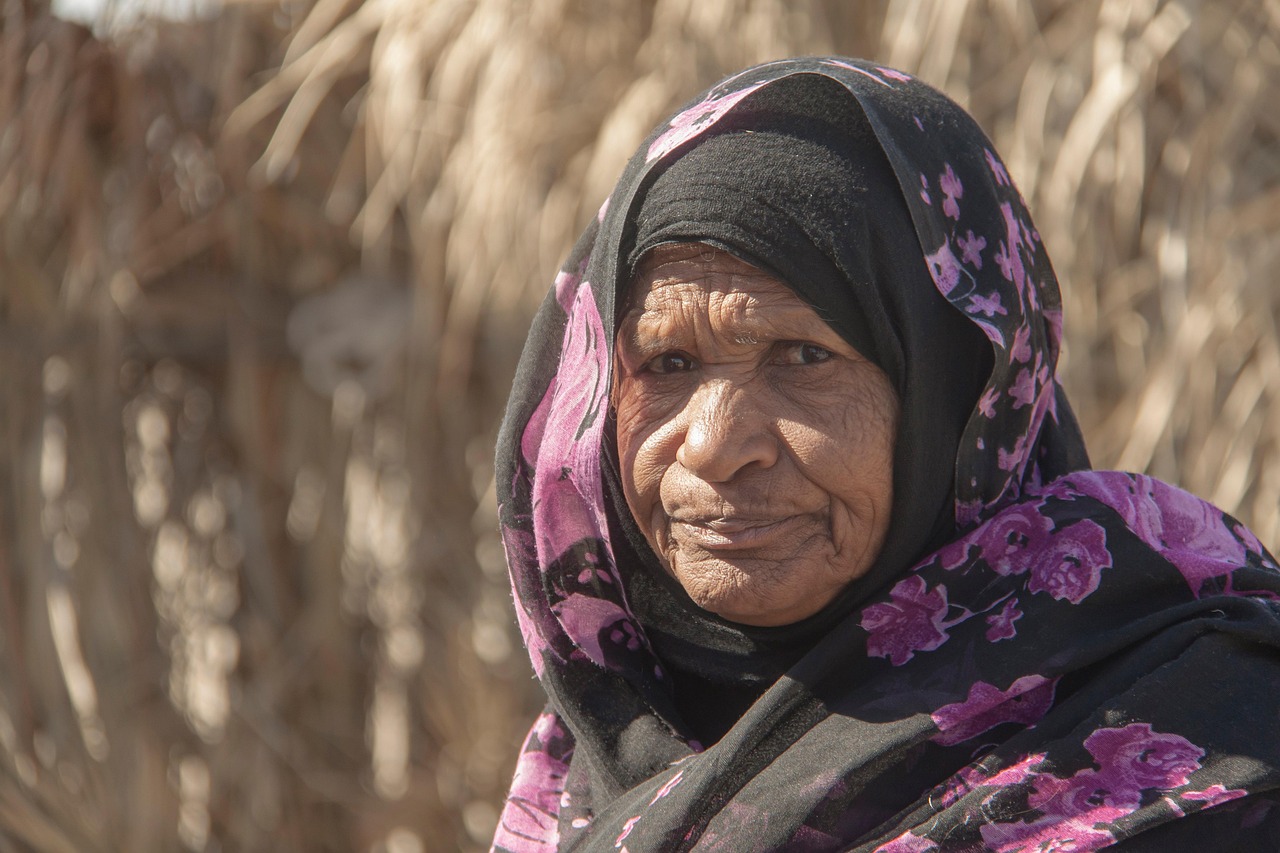
Karima Baloch
 Pakistan
Also known as: Karima Mehrab, کریمہ بلوچ
Birthday
March 8, 1983
Birth Sign
Pisces
Birthplace
Kech District, Balochistan, Pakistan
Age
Died at 37
About
Karima Baloch was a Pakistani human rights defender and pro-independence activist, known internationally as a fearless voice for Balochistan. She made history as the first female chairperson of the Baloch Students Organization - Azad (BSO-Azad), leading a movement that challenged the Pakistani state's alleged abuses in her homeland. Her advocacy earned her a place on the BBC's 100 Women list in 2016, bringing global attention to a region often under a media blackout.
Forced into exile, Baloch lived in Canada from 2016 until her death. She continued her campaign from abroad, using social media to document disappearances and demand justice. Her life ended tragically in Toronto in December 2020, under circumstances that her family and supporters questioned. She is remembered as a courageous activist whose work inspired a generation of Baloch youth.
Early Life & Background
Karima Mehrab, known publicly as Karima Baloch, was born in 1983 in the Kech District of Balochistan, Pakistan, though some records place her birth in the United Arab Emirates. Growing up in a region marked by political unrest, she witnessed the marginalization of the Baloch people from an early age. She pursued education with determination, attending university where she became involved in student politics.
Her activism intensified as she joined the Baloch Students Organization - Azad, a group advocating for Baloch self-determination. Rising through its ranks, she became the first woman to chair the organization, a groundbreaking role in a male-dominated political landscape. Her leadership brought her into direct conflict with Pakistani authorities, who viewed the movement as a threat. Facing threats to her life, Baloch fled Pakistan in 2015, seeking safety abroad before being granted asylum in Canada the following year.
Career Growth
Karima Baloch's breakthrough came with her recognition on the BBC 100 Women list in 2016, which amplified her message internationally. From her base in Toronto, she used social media platforms like X and Instagram to document human rights violations in Balochistan, reaching tens of thousands of followers. Her relentless advocacy brought attention to enforced disappearances and extrajudicial killings, often under a state-imposed media blackout.
She remained an influential figure in the Baloch diaspora, speaking at events and maintaining a strong online presence until her death in December 2020. Her work posthumously inspired continued activism, with her name becoming a symbol of resistance. Despite her untimely passing, her contributions to the cause have been commemorated in documentaries and memorials.
Career Timeline
Public Image & Style
Karima Baloch was perceived as a fearless and articulate leader, often compared to a 'mountain of courage' by her supporters. Her public image was that of a determined activist who refused to be silenced, even in exile. She was known for her direct and passionate speeches, which resonated with the Baloch youth.
Media coverage often highlighted her as a historic voice for Balochistan, with outlets like the BBC and The Guardian documenting her struggle. Her social media presence was a mix of activism and personal reflections, which humanized her cause to a global audience. She was seen as a symbol of resistance against state oppression, and her death only strengthened her status as a martyr in the eyes of many.
Fame & Fandom
Karima Baloch commanded a global audience not through the mechanisms of celebrity culture, but through the gravity of her political advocacy and the tragic circumstances of her death. Her supporters, primarily within the Baloch diaspora and human rights communities, organized around shared grievances and a demand for justice rather than commercial fandom or ritualized adoration. There is no documented name for this collective; the community operates as a loose network of activists and observers united by the cause of Balochistan rather than a formal fanbase with specific rituals, inside jokes, or organized chart pushes. While social media platforms served as vital tools for disseminating her message, interactions remained strictly political, focused on documenting disappearances and challenging state narratives rather than the performative engagement typical of entertainment figures. The narrative surrounding her legacy is defined by the mystery of her passing in Toronto in December 2020 and the subsequent allegations against the Pakistani state, which transformed her life into a symbol of resistance for the region. This story, widely retold by journalists and analysts, frames her death as a pivotal moment that intensified international scrutiny on the Baloch conflict. Despite the enduring resonance of her work among those fighting for self-determination, iFANN's Global Fame Engine has evaluated her profile without assigning a placement in its published rankings. Karima Baloch is currently the unranked figure in the Global Top 1,000 list, indicating she does not hold a specific numeric position in the current scope of worldwide fame metrics.
Interesting Facts and Legends
Karima Baloch was known for her striking presence and often wore traditional Balochi dress in public appearances to assert her cultural identity. She was an avid user of Twitter, joining in 2014, and her account had over 53,000 followers at the time of her death. She also maintained an Instagram presence with 23,000 followers, where she shared updates on her activism. In a 2020 interview, she described her work as 'a mountain of courage,' a phrase that became synonymous with her legacy. She was fluent in Balochi, Urdu, and English, which helped her communicate with international audiences. Her favorite color was said to be red, symbolizing her passion for justice. A widely circulated story from late 2025 framed her death within the context of the Baloch resistance movement, referring to her as a symbol of 'unbroken spirit' linked to the Baloch Students Organization (Azad). Reports indicated that her death, alongside the killing of another activist Sajid Hussain, sparked significant controversy and raised uncomfortable questions for Pakistan regarding its treatment of Baloch activists. These accounts describe her death not as a viral entertainment moment, but as a central point of reference for the Baloch diaspora and human rights organizations seeking accountability.
Notable Quotes
“I am not afraid of death. I am afraid of silence.”
“The Baloch people have been suffering for decades. We will not stop until we get justice.”
“My voice is for those who cannot speak.”
Family & Personal Life
Karima Baloch was born to a Baloch family in the Kech District. Her father, a farmer, and her mother, a homemaker, supported her education despite societal norms. She had several siblings, including a brother who also became involved in activism. The family faced harassment from authorities due to her work, leading them to live in fear.
After her death, her family publicly disputed the official ruling of suicide, demanding a thorough investigation. They described her as a devoted daughter who remained close to her roots. She never married and had no children, dedicating her life entirely to the cause.
Notable Connections
Karima Baloch was associated with the Baloch Students Organization - Azad (BSO-Azad), where she served as chairperson. She also connected with international human rights groups, including Amnesty International and Human Rights Watch, which documented abuses in Balochistan. Her work was supported by the Baloch diaspora communities in Canada and the UK.
Relationships & Dating History
Karima Baloch was never publicly linked to any romantic partner. She dedicated her life to activism, often stating that her cause was her primary commitment. There is no record of a spouse or children. At the time of her death, she was single, and her personal life remained private, with no known relationships reported in media or her own writings.
Death & Aftermath
Died
December 22, 2020 (aged 37)
Death Place
Toronto, Ontario, Canada
Cause of Death
Drowning (officially)
The human rights community and the Baloch diaspora reacted with immediate grief and sharp criticism following the discovery of Karima Baloch's body, framing her death as a potential failure of Canada to protect political exiles. Tributes poured in from peers who described her as a mountain of courage, while advocacy groups condemned the circumstances and demanded an independent inquiry into the killing of such a prominent figure. Vigils were held in Toronto and abroad, where mourners questioned why Prime Minister Justin Trudeau remained silent on the matter, turning her passing into a focal point for discussions regarding the safety of dissidents living in Western democracies. Karima Baloch was found dead on December 22, 2020, at approximately 5:30 PM local time near the Humber Bay waterfront in Toronto.
Her husband, Sajid Hussain, reported that she had gone missing earlier that day after leaving their home, and police initially treated the case as a drowning investigation before classifying it as suspicious due to the lack of a suicide note or clear signs of accidental drowning. While the Toronto Police Service officially ruled the cause of death as drowning without immediately suspecting foul play, the family rejected this narrative, asserting she was murdered and explicitly accusing Pakistan's Inter-Services Intelligence of orchestrating the assassination based on her high-profile activism against human rights abuses. The family conducted a private funeral in accordance with Islamic traditions common to the region.
Net Worth (Estate Value)
$1 Million
iFANN Editorial Team estimate
Karima Baloch's net worth is not publicly documented, but research by the iFANN Editorial Team puts her estate value at $1 Million as of 2026. This figure includes potential posthumous earnings from book deals, documentary royalties, and donations made in her name. As an activist and exile, she lived modestly, relying on speaking fees and donations to fund her work. Her estate is managed by her family, who have received income from media appearances and memorial events. The exact financial details remain private, but the legacy of her advocacy continues to generate interest and support.
Awards Won (1)
Karima Baloch received the BBC 100 Women recognition in 2016, a significant honor that highlighted her impact as a human rights activist. This award brought international attention to her cause and remains a testament to her dedication.
2016 · Recognition
Activism
Known For
Baloch Students Organization - Azad (BSO-Azad)
2015 · Chairperson
BBC 100 Women
2016 · Honoree
Keywords
Sources
Quick Facts
- Profession
- human rights defender
- Born
- March 8, 1983
- Birthplace
- Kech District, Pakistan
- Died
- December 22, 2020
- Death Place
- Toronto, Canada
- Gender
- Female
- Known for
- BBC 100 Women (2016)
Personal Details
- Full Name
- Karima Mehrab
Frequently Asked Questions
Who was Karima Baloch?
When and where was Karima Baloch born?
Why did Karima Baloch seek asylum in Canada?
How did Karima Baloch die?
What is Karima Baloch's net worth in 2026?
Social Media
Similar People
Join the community
fans discussing