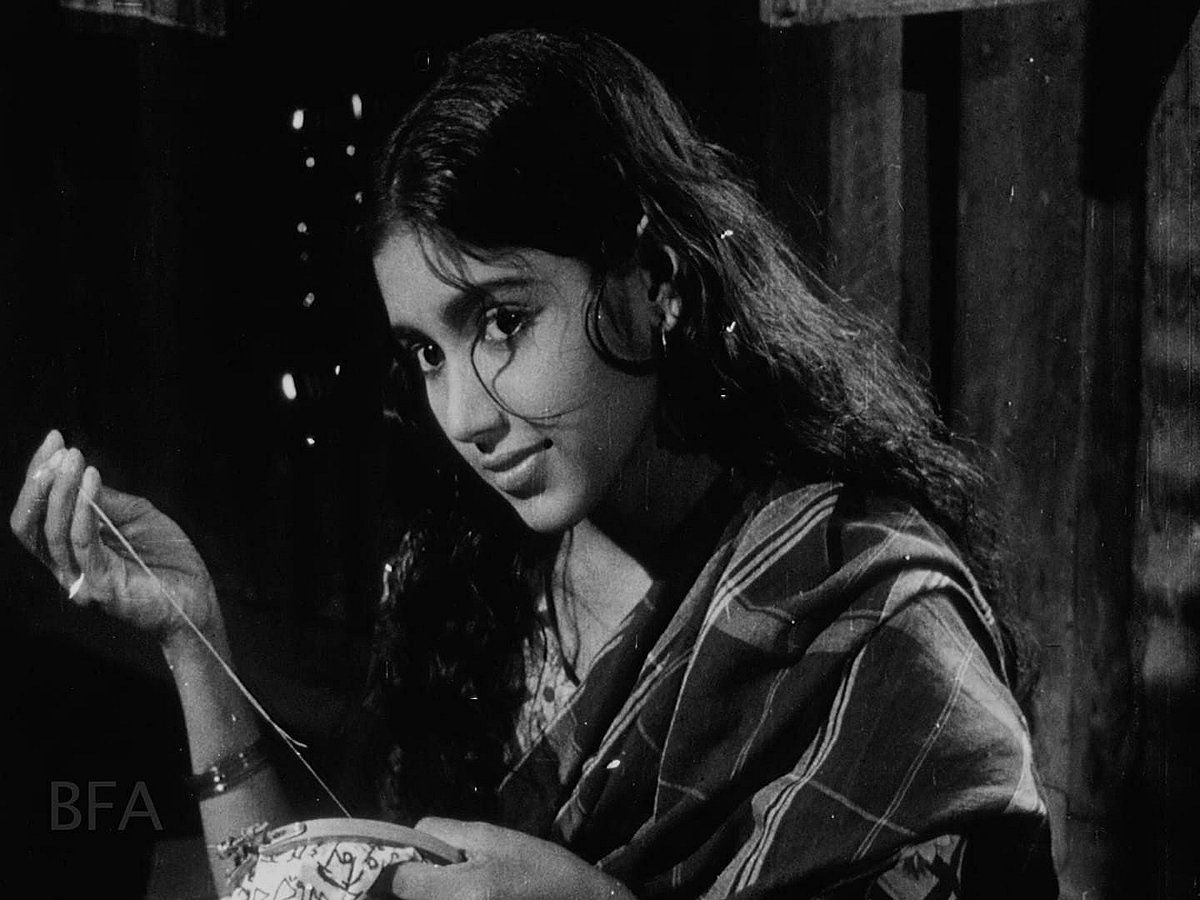
Kabori
 Bangladesh
Also known as: Sarah Begum Kabori, Kabori Sarwar, Mina Pal
Birthday
July 19, 1950
Birth Sign
Cancer
Birthplace
Chittagong, Bangladesh
Age
Died at 70
About
Sarah Begum Kabori, known to millions as Kabori, was a Bangladeshi actress and politician. Born Mina Pal in Chittagong, she became one of the most cherished faces of Bengali cinema, starring in over 200 films across five decades. Her sweet smile and natural grace earned her the nickname "mishti meye" (sweet girl), and her performances in films like Sareng Bou and A River Called Titas remain landmarks of the country's cinematic heritage.
Beyond acting, Kabori served as a member of parliament for the Narayanganj-4 constituency from 2008 to 2014 as an Awami League candidate. She was also a dedicated social worker and women's rights activist, sponsoring film festivals and supporting charitable causes. She passed away on April 17, 2021, at the age of 70, leaving behind a legacy that continues to inspire new generations of filmmakers and actors.
Early Life & Background
Kabori was born Mina Pal on July 19, 1950, in Chittagong, then part of East Pakistan. Growing up in a Bengali household, she was drawn to the performing arts from an early age, though details of her schooling and family life remain private. Her entry into cinema came as a teenager when she caught the attention of director Subhash Dutta, who cast her in her debut film Shutorang in 1964. That first role showcased her natural charm and set the stage for a remarkable career. Within a few years, she was a familiar face on the big screen, appearing in films like Paruler Songsar (1969) alongside actor Azim. The industry quickly embraced her, and her early work established her as a rising star with a rare combination of beauty and talent.
Career Growth
Kabori's breakthrough came in the late 1960s and 1970s, as she moved from supporting roles to leading parts. Her performance in A River Called Titas (1973), directed by Ritwik Ghatak, brought her national and international recognition, cementing her status as a serious actress. In 1978, she won the Bangladesh National Film Award for Best Actress for her role in Sareng Bou, one of the most prestigious honors in the country's film industry. Over the years, she starred in a string of hits, including Abhirbhab, Shat Bhai Champa, Sujon Sokhi, and Lalon Fokir. She also tried her hand at directing, making her debut with the film Ayna. In 2008, she transitioned to politics, winning a parliamentary seat from Narayanganj-4 as an Awami League candidate, and served until 2014. She received a Lifetime Achievement Award in 2013, recognizing her contributions to cinema.
Career Timeline
Public Image & Style
Kabori's public persona was defined by her warm smile and graceful screen presence. She was regarded as one of Bangladesh's most beloved actresses, with media consistently praising her dignity and charm. Her fandom spans generations, and her films and songs continue to be celebrated decades after her debut. She was also respected for her philanthropic work and her foray into politics, which added to her multifaceted public image. Even after her death, she remains a cultural icon, with tributes and commemorative programs honoring her legacy.
Fame & Fandom
Kabori Sarwar's legacy is not measured in trending hashtags or digital petition drives, but in the quiet, enduring reverence of a nation that remembers her as the "Mishti Meye." Unlike modern stars who cultivate organized cults with specific names and annual rituals, her fanbase remains a diffuse, generational collective defined by shared cultural memory rather than structured membership. There is no formal fandom name documented for her following; instead, the public marks her presence through annual observances of her birth and death anniversaries, where media retrospectives and family tributes keep her story alive without the need for an official club. Her influence is historical, rooted in the warmth of her screen persona and the timeless quality of ten iconic songs that still play on radio waves decades after their release. While she commanded millions of hearts during her life, the post-2021 era has seen no new viral campaigns or charity pushes specifically branded under her name, distinguishing her status as a revered icon from the active, operational fandoms of contemporary pop culture. Her co-star Sohel Rana once called her unparalleled, a sentiment that echoes in every retrospective piece published in 2026 regarding her contributions to Bengali cinema. Despite this deep cultural resonance, Kabori does not currently hold a placement in the published global rankings. iFANN has evaluated her profile, but she remains unranked in the Global Top 1,000 or any Top-100 scope list. She is not currently listed among the world's most famous people in our database.
Interesting Facts and Legends
Born Mina Pal in Chittagong, Sarah Begum Kabori became a beloved figure in Bengali cinema, starring in over 200 films across five decades. She earned the nickname "mishti meye" (sweet girl) for her natural grace and sweet smile, a moniker that stuck throughout her career. Beyond acting, she was a writer and made her directorial debut with the film Ayna. Her political career included serving as a member of parliament for the Narayanganj-4 constituency from 2008 to 2014. A poignant legend surrounding her involves a candid interview where she discussed the fear of leaving everyone behind, a quote that gained renewed poignancy following her passing in 2021. Fans and media outlets continue to honor her legacy annually, noting her 76th birth anniversary and fifth death anniversary in recent years. Ten of her film songs remain iconic, still played and remembered by fans today. Co-star Sohel Rana once stated, "Kabori was unparalleled," reflecting the high regard her peers held for her. She sponsored several film festivals to promote independent cinema, showcasing her dedication to the arts beyond her own performances.
Notable Quotes
“Kabori was unparalleled.”
Family & Personal Life
Details about Kabori's family are scarce. She was born to a Bengali family in Chittagong, but information about her parents and siblings has not been widely documented. She was married at some point to a man with the surname Sarwar, as she was professionally known as Kabori Sarwar, but the specifics of that marriage, including dates and children, are not publicly recorded. In her later years, she lived in Dhaka, where she passed away in 2021.
Notable Connections
Kabori worked with some of the most prominent figures in Bangladeshi cinema. Her debut film Shutorang was directed by Subhash Dutta. She starred alongside actor Azim in Paruler Songsar and shared the screen with Sohel Rana, who later paid tribute to her legacy. She also appeared in films directed by Humayun Ahmed, including Nondito Noroke, which continues to be screened in her honor.
Relationships & Dating History
Public records about Kabori's romantic life are limited. She was known professionally as Kabori Sarwar, indicating she was married to someone with the surname Sarwar, but the details of this marriage, including the timeline and any children, are not documented in available sources. No other significant relationships have been reported. At the time of her death, she was widowed or separated, though the exact status remains unclear.
Death & Aftermath
Died
April 17, 2021 (aged 70)
Death Place
Dhaka
Cause of Death
Unknown
Sarah Begum Kabori died on April 17, 2021, at the age of seventy-two. The date marked the conclusion of a life that had defined Bengali cinema and culture for half a century. While public records did not specify the medical cause or immediate circumstances of her passing, the event was confirmed through subsequent anniversary commemorations, including the third anniversary observed in April 2024. Her death occurred in Dhaka, where she remained a prominent cultural figure until the end.
The news of her passing triggered an outpouring of grief from the cultural community, with peers like actor Sohel Rana describing her as unparalleled and recalling their early collaborations on screen. Media outlets including The Daily Star and New Age dedicated space to retrospectives of her career, while Channel i honored her legacy alongside other cultural icons in special programming. These tributes focused on her enduring impact rather than the specific details of her final days, ensuring her contributions to music and cinema remained central to the public discourse.
Annual commemorations continue to highlight her contributions, with lists of iconic film songs serving as a reminder of her voice and presence. Sources note that ten of her film songs remain synonymous with her name, cementing her status as a timeless artist.
Net Worth (Estate Value)
$5 Million
iFANN Editorial Team estimate
iFANN currently estimates Kabori's net worth at $5 Million at the time of her death in 2021. Her wealth accumulated primarily from her extensive acting career, which spanned over 200 films, alongside her work as a director and writer. During her political tenure as a member of parliament, she also received a government salary and allowances. After her passing, her estate has continued to earn from royalties and residuals from her films, as well as from the ongoing popularity of her songs and performances. The estate is managed by her family, though specific details have not been made public.
Awards Won (2)
Kabori won the Bangladesh National Film Award for Best Actress in 1978 for her performance in Sareng Bou. She also received a Lifetime Achievement Award in 2013, recognizing her outstanding contribution to Bangladeshi cinema over five decades.
1978 · Best Actress
Sareng Bou
2013 · Lifetime Achievement
Known For
Sareng Bou
1978 · Lead Actress
A River Called Titas
1973 · Actress
Shutorang
1964 · Debut
Keywords
Sources
Quick Facts
- Profession
- Actress, Politician
- Born
- July 19, 1950
- Birthplace
- Chittagong, Bangladesh
- Died
- April 17, 2021
- Death Place
- National Gastroliver Institute & Hospital, Dhaka
- Gender
- Female
- Birth Sign
- Cancer
Personal Details
- Full Name
- Mina Pal
Filmography
200
Total
200
Film
0
TV
Frequently Asked Questions
How did Kabori die?
What was Kabori's real name?
How many films did Kabori act in?
Was Kabori a politician?
What awards did Kabori win?
Join the community
fans discussing