
 Colombia
About
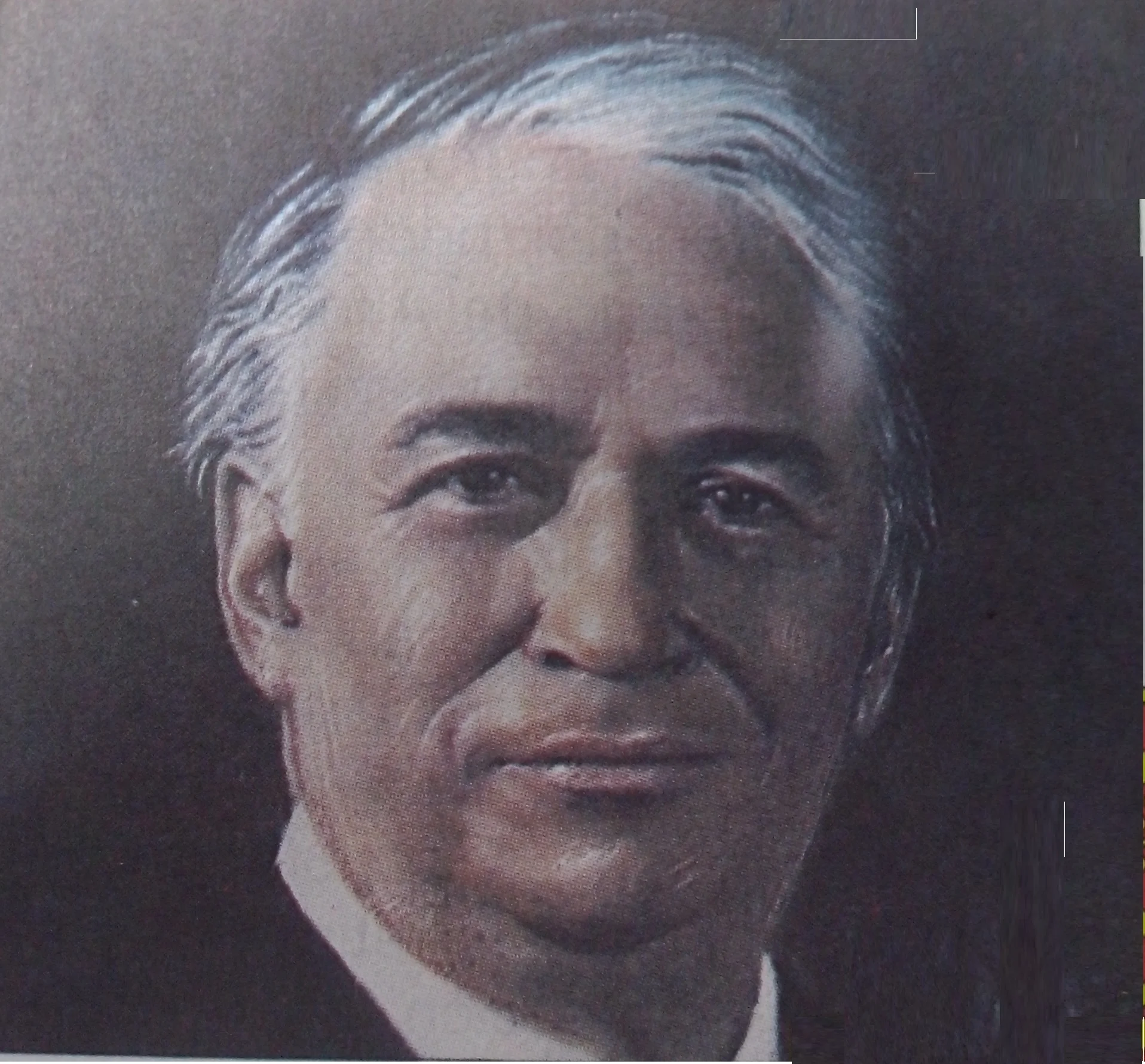
Julio César Turbay Ayala was a Colombian lawyer, diplomat, and politician who served as the 26th President of Colombia from 1978 to 1982. He died on September 13, 2005, at the age of 89. His career spanned over six decades, moving from academia and journalism to the highest offices of the state. Turbay is remembered as a centrist liberal leader whose presidency coincided with the early escalation of the drug war in Colombia.
His administration is most frequently noted for the implementation of the National Security Statute, a controversial decree that suspended constitutional guarantees to combat guerrilla groups and drug cartels. Before reaching the presidency, he achieved significant diplomatic breakthroughs, including the negotiation of hostages during a hijacking crisis. Turbay remained a dominant figure in the Liberal Party until his death, serving in the Constituent Assembly that drafted the current Colombian Constitution in 1991.
Early Life & Background
Julio César Turbay Ayala entered the world on June 18, 1916, in Bogotá into a prominent family of Lebanese-Colombian descent. His father, Julio César Turbay Quesada, had already established himself as a senator and diplomat, setting a high bar for public service. Turbay pursued an extensive education, earning a degree in Law from the University of the Andes in Bogotá. He furthered his studies abroad, obtaining a master's degree in International Relations from the Graduate Institute of International Studies in Geneva, Switzerland, and later studying economics in France.
Before entering high-level politics, he worked as a professor of international law and economics at the University of the Andes. He also served as a journalist for El Tiempo, one of Colombia's most influential newspapers, where he wrote extensively on international affairs and Latin American politics. These formative years in academia and media provided him with the intellectual foundation and network necessary for his future diplomatic and political career.
Career Growth
Turbay Ayala's rise through the ranks of Colombian government began in earnest in the 1950s. He served as Colombia's Ambassador to Venezuela from 1954 to 1956 and later as Ambassador to the United States from 1969 to 1970. His tenure as Foreign Minister under President Misael Pastrana Borrero marked a turning point in his career. In 1970, he successfully negotiated the release of hostages from a hijacked Pan Am plane that landed in Colombia, cementing his reputation as a skilled negotiator capable of handling international crises.
In 1978, Turbay won the presidential election as the candidate for the Liberal Party. His administration is most frequently remembered for the National Security Statute, passed in 1978. This decree allowed for preventive detention without trial, suspended constitutional guarantees, and expanded police powers to combat guerrilla groups and drug cartels. The policy remains a subject of intense historical debate regarding its effectiveness versus its human rights implications. After leaving office in 1982, he continued to serve as a member of the Constituent Assembly in 1991, which drafted the current Colombian Constitution. He remained active in advising on foreign policy and peace negotiations until his death.
Career Timeline
Public Image & Style
Turbay Ayala is portrayed in media and historical texts as a serious, intellectual, and pragmatic statesman. He is often described as a "centrist" who tried to balance the demands of the left and right during a turbulent time. His image is complex: admired for his diplomatic skills and legal acumen, yet criticized for the repressive nature of his National Security Statute. Known for wearing formal suits and glasses, he projected the image of a distinguished gentleman consistent with mid-20th-century diplomats. His public persona was one of measured authority, reflecting his background as a lawyer and academic rather than a charismatic populist.
Fame & Fandom (iFAMOUS Rankings)
Julio César Turbay Ayala never commanded a stadium full of screaming devotees or inspired fan-made billboards on his birthday. As the 26th President of Colombia, he operated in the high-stakes corridors of statecraft rather than the glittering spotlight of pop culture. His legacy is not built on viral moments or charismatic stage performances but on the heavy weight of governance during a turbulent era. The public memory of Turbay is defined by the stark reality of the Estatuto de Seguridad Nacional, a decree that suspended constitutional guarantees and reshaped the nation's relationship with guerrilla violence. Historians and political scientists still debate this policy, viewing it as either a necessary shield against chaos or a tool for repression. Beyond the courtroom and the presidency, his life intersected with the dark rise of the Medellín Cartel, creating a narrative where state policy and organized crime collided. Diplomatic triumphs like the negotiation of a hijacked Pan Am plane stand out as rare bright spots in a career marked by controversy. The personal tragedies of his family, including the loss of his son-in-law to cartel violence, add a somber layer to his story, grounding his public service in human cost. There is no formal name for any group of admirers, nor are there documented rituals or campaigns dedicated to his memory. He remains a figure of historical record rather than popular worship. In August 2026, the iFANN Global Fame Engine evaluated his standing and found he currently holds no placement in the published rankings. Julio César Turbay is not ranked within the Global Top 1,000. He does not appear on any Top-100 scope list. This absence reflects his status as a statesman whose fame is confined to history books rather than current global celebrity charts.
Interesting Facts and Legends
The widely retold story of Turbay Ayala negotiating the release of hostages from a hijacked Pan Am plane is considered his defining diplomatic moment. It showcased his calm under pressure and ability to resolve international crises, earning him acclaim across Latin America. A significant personal tragedy occurred in January 1991 when his daughter, Diana Turbay, a prominent journalist and congresswoman, was killed in crossfire between drug cartel forces and security forces in Bogotá. Shortly after, in December 1992, his former son-in-law, Luis Carlos Restrepo, was shot dead. These events symbolize the personal cost of the drug wars that defined his later years. Historians often cite his administration's policies as inadvertently facilitating the expansion of the Medellín Cartel, adding a layer of complexity to his legacy. In 1978, a segment on the program 60 Minutes alleged his involvement in narcotics trafficking, though these claims remain part of the historical controversy surrounding his presidency.
Notable Quotes
“The fight against terrorism and drug trafficking requires strong measures, even if they limit some freedoms temporarily.”
“Colombia must be a country of laws, not of arms.”
Family & Personal Life
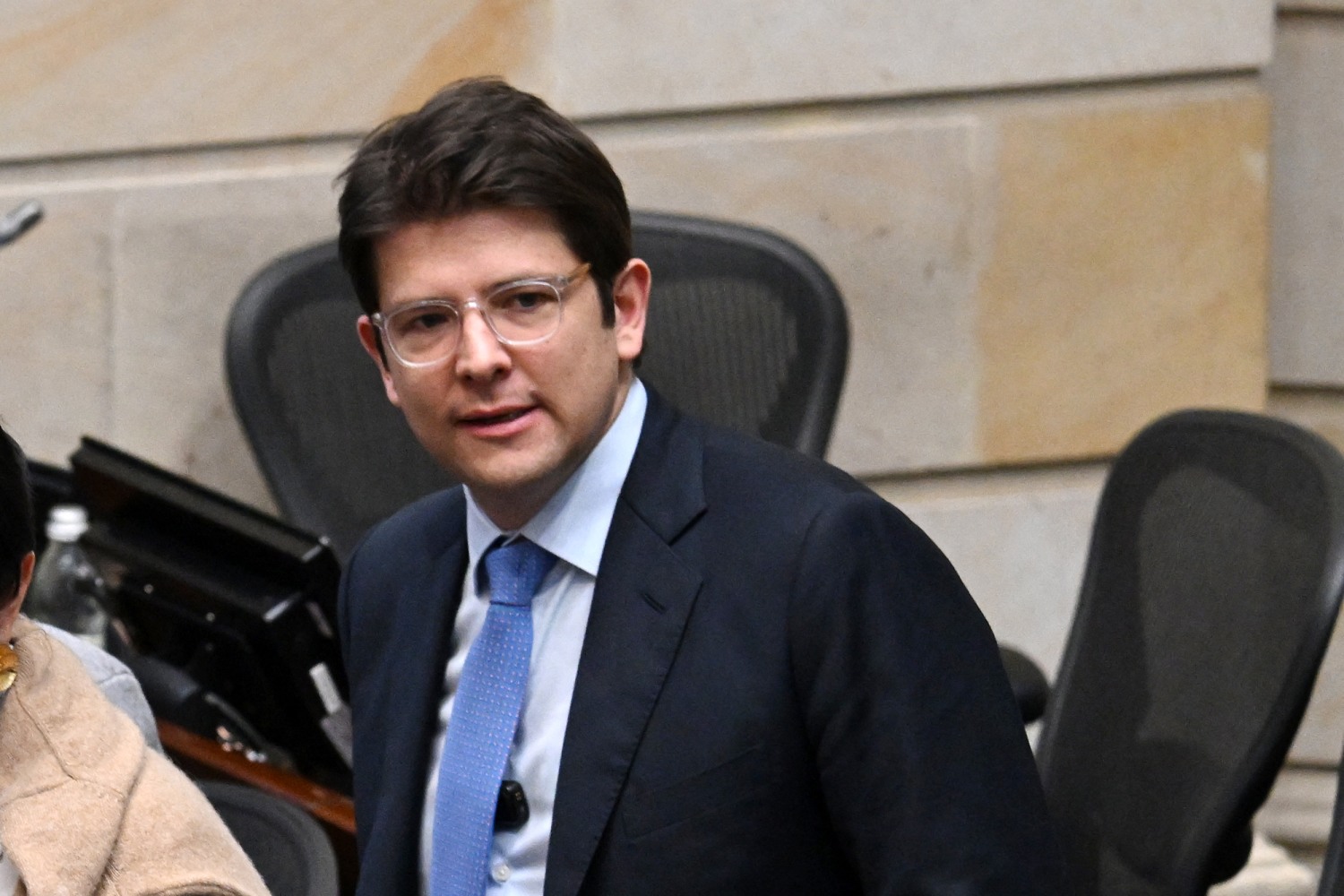
Julio César Turbay Ayala was married to Nydia Quintero Turbay for decades until her death prior to his own. Their union produced several children, including Diana Turbay, who became a prominent journalist and congresswoman. The family faced immense tragedy in their later years, losing both a daughter and a son-in-law to violence related to the drug trade. His grandson, Miguel Uribe Turbay, followed in his footsteps into politics, becoming a conservative senator and presidential hopeful before dying in 2025. The Turbay family has maintained a significant presence in Colombian society, balancing their political influence with the personal losses incurred during the country's violent era.
Notable Connections
Nydia Quintero Turbay, Diana Turbay, Luis Carlos Restrepo, Miguel Uribe Turbay, Misael Pastrana Borrero, Belisario Betancur.
Relationships & Dating History
Julio César Turbay Ayala's romantic life was private and focused on his marriage to Nydia Quintero Turbay. They met through social circles in Bogotá and were married for decades until her death prior to his own. Their union produced several children, including Diana Turbay, who became a prominent journalist and congresswoman. The couple faced immense tragedy in their later years, losing both a daughter and a son-in-law to violence related to the drug trade. No other public romantic relationships or flings are documented. As of 2026, Turbay Ayala is deceased, having passed away on September 13, 2005.
- MarriedNydia Quintero TurbayMarried until her death prior to his own; they had several children together.
Death & Aftermath
Died
September 13, 2005 (aged 89)
Death Place
Bogotá, Colombia
Cause of Death
Natural causes associated with advanced age
Julio César Turbay Ayala, the 26th President of Colombia who served from 1978 to 1982, died on September 13, 2005, at his home in Bogotá. He passed away at the age of 89 due to natural causes associated with advanced age. His death occurred peacefully without a reported violent altercation or suspicious circumstance, and the event was ruled a natural death by family members and standard medical protocol rather than through a forensic inquiry. While specific medical details were not publicly detailed, the consensus across biographical sources confirms a non-violent passing in his capital city residence.
Public reaction to his passing included tributes from Colombian political peers and international observers who recognized him as one of the most controversial yet influential presidents of recent Colombian history. The Guardian noted his complex legacy as a centrist liberal who struggled to end the country's internal conflicts during his tenure. Although the exact date and location of his funeral services were not explicitly detailed in available records, his status as a former head of state suggests he received appropriate ceremonial honors consistent with his rank. Posthumously, Julio César Turbay Ayala has been commemorated through historical documentation, including entries in Britannica, Wikipedia, and the Banrepcultural encyclopedia, which detail his role in drafting the 1991 Constitution and his diplomatic career.
The handling of his estate was not publicly disclosed in search results. His family continued to be active in politics, notably through his grandson Miguel Uribe Turbay, who served as a senator and presidential candidate before being shot at a rally in June 2025 and dying two months later in August 2025.
Net Worth (Estate Value)
$2 Million
iFANN Editorial Team estimate
As a public servant and politician, Julio César Turbay Ayala did not accumulate wealth through commercial ventures, endorsements, or entertainment royalties. iFANN currently estimates his estate value at approximately $2 million, derived from his long career in government, academic positions, and private family assets typical of the Colombian political elite of his era. Specific net worth figures are not available in public records, but his wealth was likely modest compared to modern business moguls. Upon his death in 2005, his estate was handled privately. There are no public records of massive posthumous earnings, licensing deals, or estate-managed businesses generating significant revenue. The family's financial standing has been maintained through private means and the political careers of his descendants, such as his grandson Miguel Uribe Turbay.
Awards Won (3)
Turbay Ayala received numerous national honours, including the Order of Boyacá and the Order of San Carlos for diplomatic service. He was awarded the Legion of Merit by the United States for strengthening US-Colombia relations. Various Colombian institutions recognized him with lifetime achievement awards for his long-standing service to the Liberal Party and the nation.
Unknown · National Honour
Service to Colombia
Unknown · Diplomatic Service
Foreign Policy
Known For
President of Colombia
1978 · 26th President
National Security Statute
1978 · Legislation
Hijacking Negotiation
1970 · Foreign Minister
Keywords
Sources
Quick Facts
- Profession
- diplomat, lawyer, economist
- Born
- June 18, 1916
- Birthplace
- Bogotá, Colombia
- Died
- September 13, 2005
- Death Place
- Bogotá, Colombia
- Gender
- Male
- Spouse
- Nydia Quintero Turbay
- Birth Sign
- Gemini
Personal Details
- Full Name
- Julio César Turbay Ayala
- Spouse
- Nydia Quintero Turbay
- Children
- Diana Turbay, Luis Carlos Restrepo (son-in-law), Miguel Uribe Turbay (grandson)
- Education
- University of the Andes (Law), Graduate Institute of International Studies in Geneva (Master's in International Relations)
Frequently Asked Questions
Who was Julio César Turbay Ayala?
When did Julio César Turbay die?
What is the National Security Statute?
Did Julio César Turbay have any children?
Is Julio César Turbay still alive?
Similar People
Join the community
fans discussing