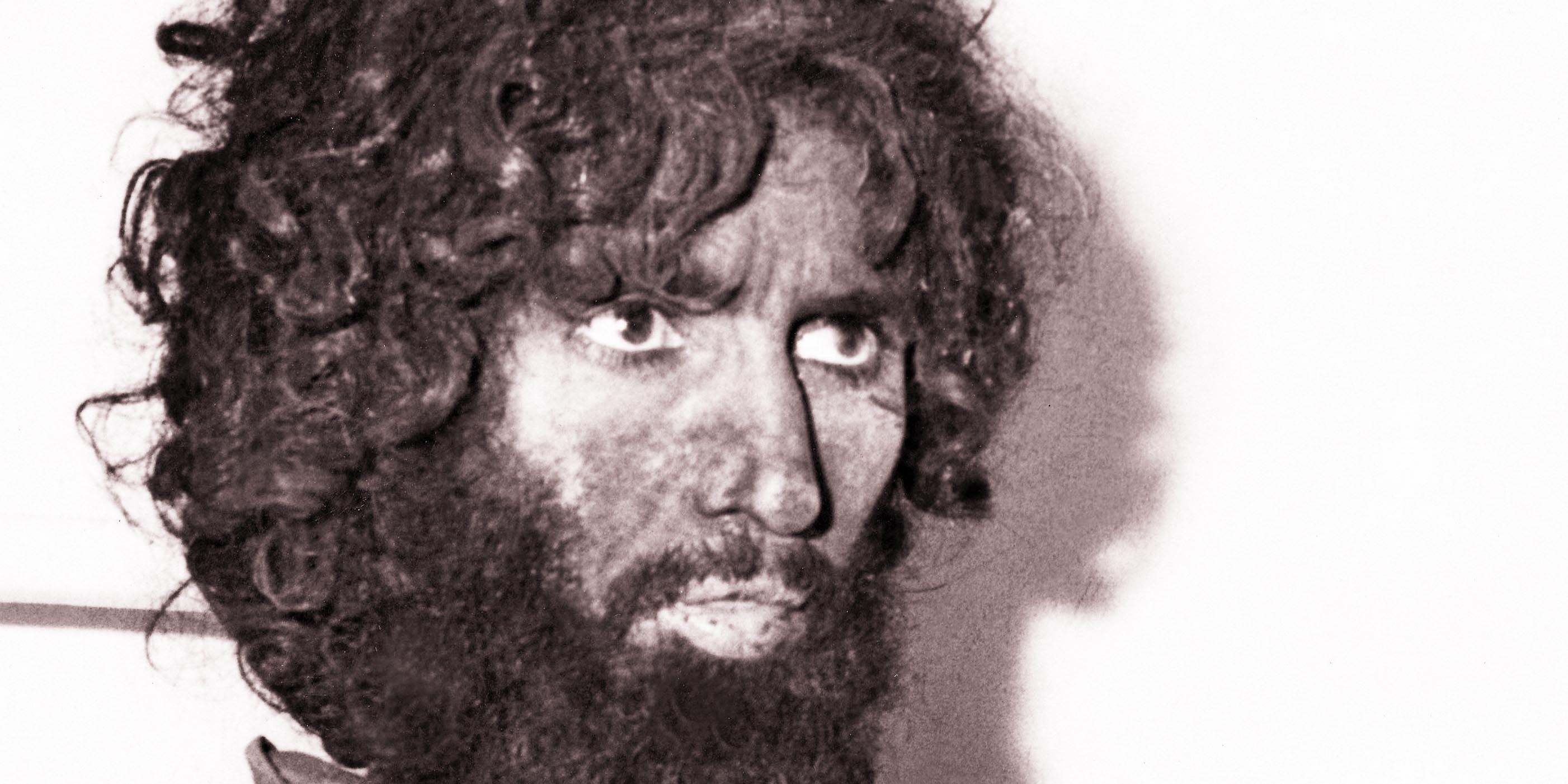
Juhayman al-Otaybi
 Saudi Arabia
Also known as: Juhayman ibn Muhammad ibn Sayf al-Otaybi, Dschuhaimān al-ʿUtaibī, جهيمان العتيبي
Birthday
September 16, 1936
Birth Sign
Virgo
Birthplace
Sajer, Saudi Arabia
Age
Died at 43
About
Juhayman al-Otaybi was a Saudi religious dissident and former corporal in the Saudi National Guard who became infamous for leading the 1979 seizure of the Grand Mosque in Mecca. Born in September 1936 in the village of Sajer, he received his early education within the traditional Saudi religious establishment before joining the military. His career ended abruptly when he turned against the House of Saud, viewing the monarchy as corrupt and deviating from strict Islamic principles. On November 20, 1979, he led approximately 200 armed followers to seize Islam's holiest site during dawn prayers. The siege lasted over six weeks until the militants surrendered on January 3, 1980. Al-Otaybi was captured, tried, and executed by beheading on January 9, 1980, in Riyadh at the age of 43.
Early Life & Background
Juhayman al-Otaybi entered the world on September 16, 1936, in the small village of Sajer located in the Najd region of central Saudi Arabia. He grew up in a deeply conservative environment shaped by Wahhabi teachings, which formed the bedrock of his worldview and future ideology. His early years were spent studying Islamic jurisprudence and theology within the traditional Saudi religious establishment, equipping him with the doctrinal arguments he would later use to challenge the state. This rigorous education instilled in him a rigid interpretation of Islam that viewed modernization and Western influence as threats to the faith.
Before his rise to notoriety, al-Otaybi served as a corporal in the Saudi National Guard. However, his service ended when he became disillusioned with the ruling House of Saud. He began to view the monarchy as corrupt, overly Westernized, and deviating from strict Islamic principles. During this period, he started preaching to a group of disaffected soldiers and students known as the Ikhwan. These followers shared his concerns about corruption and foreign influence in the kingdom. Al-Otaybi urged them to purify the religion and overthrow the royal family, setting the stage for the dramatic events that would follow in the late 1970s.
Career Growth
Al-Otaybi's activism culminated in a single defining event: the seizure of the Grand Mosque. On November 20, 1979, during Fajr prayers, he and roughly 200 armed followers barricaded themselves inside the Masjid al-Haram in Mecca. They took pilgrims hostage and declared that the Mahdi had arrived among them. This audacious act sent shockwaves across the Muslim world and halted the modernization efforts of King Khalid. The situation escalated into a prolonged standoff that required the Saudi government to request assistance from foreign specialists, including French GIGN commandos and Pakistani special forces. After intense fighting and the use of heavy weaponry, the militants surrendered on January 3, 1980. Al-Otaybi was subsequently tried by a special court for waging war against God and His Messenger. He was convicted and executed by beheading on January 9, 1980. Alongside him, 62 other participants were executed across various cities in Saudi Arabia.
Career Timeline
Public Image & Style
Al-Otaybi commanded fear and reverence mixed with condemnation rather than adoration. His public persona was that of a charismatic preacher with a strong voice and deep knowledge of Islamic texts, but he is primarily remembered as a dangerous fanatic. The silence of his supposed supporters is noted by commentators as a testament to the failure of his movement to gain lasting traction. In the rare instances where his name appears in popular discourse, it is accompanied by academic analysis or condemnation rather than praise. The concept of fans rallying behind him is absent; his audience consists of historians, political analysts, and students of religious extremism.
Fame & Fandom (iFAMOUS Rankings)
The Grand Mosque in Mecca fell silent on a November morning in 1979, marking the moment Juhayman al-Otaybi seized the holy site and altered the trajectory of Saudi history. Decades later, his name remains etched in the global consciousness as a figure of radical dissent and violent upheaval. In the landscape of modern notoriety, he holds a distinct position within the region's historical memory. He is the 93rd most famous person in Saudi Arabia, a ranking that reflects his enduring status as a pivotal, albeit tragic, national figure. This standing aligns with his origin, where he is recognized as the 50th most famous person from Saudi Arabia. These placements within the iFANN Global Fame Rankings underscore how a single act of insurgency can outlast a life, anchoring a legacy in the collective mind long after execution. The data tracks global attention across media coverage, search, and consumption signals worldwide, confirming that the story of the 1979 siege continues to resonate more than four decades later. Unlike pop stars who cultivate adoration, al-Otaybi commanded fear and reverence mixed with condemnation. There is no formal fanbase or organized group of followers rallying behind his ideology today. His son distanced himself from the father's legacy, becoming a colonel in the very National Guard forces his father once fought. The absence of a fandom speaks volumes; there are no birthday campaigns, streaming drives, or merchandise lines for a man executed by beheading for leading an armed insurrection. His audience consists of historians, political analysts, and students of religious extremism rather than devotees.
Interesting Facts and Legends
Juhayman al-Otaybi is often referred to in media retrospectives as "the blood-thirsty Mahdi," a moniker reflecting the apocalyptic nature of his claims during the siege. Historical records confirm that he stood in the courtyard of the Grand Mosque delivering a sermon denouncing the Saudi monarchy as apostate. The incident itself is widely retold as the catalyst for the rise of global Islamist violence, influencing groups like Al-Qaeda and ISIS decades later. While some fringe extremist literature mythologizes him as a martyr, mainstream historians and the Saudi state view him as a dangerous fanatic. His son, Mohammed al-Otaybi, eventually distanced himself from his father's ideology and rose through the ranks of the Saudi National Guard to become a colonel. This relationship highlights the complex posthumous dynamics of his family and serves as a counter-narrative to his father's rebellion.
Notable Quotes
“The people have been misled... The ruler is a tyrant.”
Family & Personal Life
Al-Otaybi was a private individual whose public profile was defined by his political and religious insurgency rather than celebrity culture. There is no public record of romantic relationships, dating history, marriages, or children in the conventional sense used for entertainment figures. The only documented familial link is his son, Mohammed al-Otaybi. In a striking reversal of fate, Mohammed distanced himself from his father's ideology and eventually became a colonel in the Saudi National Guard, the very institution his father had once fought against. This relationship underscores the complex posthumous dynamics of his family without constituting a romantic partnership or marriage in the context of biographical data.
Notable Connections
Relationships & Dating History
Al-Otaybi was a private individual whose public profile was entirely defined by his political and religious insurgency rather than celebrity culture. There is no public record of romantic relationships, dating history, marriages, or children in the conventional sense used for entertainment figures. Unlike pop stars or politicians who cultivate public families, al-Otaybi's legacy is one of radical dissent. Historical accounts mention that his son, Mohammed al-Otaybi, distanced himself from his father's ideology. In a striking reversal of fate, Mohammed eventually rose through the ranks of the Saudi National Guard, becoming a colonel, the very institution his father had once fought against. This relationship highlights the complex posthumous dynamics of his family, but it does not constitute a romantic partnership or marriage in the context of biographical data. Consequently, there are no details regarding dates of marriage, divorces, or offspring from romantic unions; the only documented familial link is his son's military career, which serves as a counter-narrative to his father's rebellion.
Death & Aftermath
Died
January 9, 1980 (aged 43)
Death Place
Riyadh, Saudi Arabia
Cause of Death
Beheading
The final public appearance of Juhayman al-Otaybi occurred on November 20, 1979, inside the Grand Mosque in Mecca where he declared himself the Mahdi and demanded the overthrow of the Saudi royal family. After a siege that lasted over six weeks, the militants surrendered on January 3, 1980, leaving him to spend his last days in custody awaiting judgment. He was executed by beheading on January 9, 1980, in Riyadh following a special court trial that convicted him of waging war against God and His Messenger. The state carried out the sentence as a standard judicial punishment for crimes threatening the religious order. Saudi authorities treated the event as a capital offense requiring immediate retribution, executing Juhayman alongside sixty-two others across various cities including Jeddah and Dammam.
The reaction within the kingdom was one of relief and reinforcement of state authority, as the government emphasized the restoration of order after the violation of Islam's holiest site. Among certain radical Salafi and jihadist circles globally, however, he became a martyr figure whose legacy inspired later militant groups like Al-Qaeda and ISIS decades later. No formal funeral or private burial ceremony took place, and his remains were not returned to his family for a traditional Islamic burial. Any commemoration now occurs only in fringe underground literature or online forums associated with extremist ideologies rather than recognized public events. Academic studies and documentaries have analyzed the 1979 siege and the rise of radical Islamism.
Net Worth (Estate Value)
$0
iFANN Editorial Team estimate
As a condemned criminal executed by the state for treason and terrorism, Juhayman al-Otaybi holds no positive honors or wealth accumulation. He possessed no net worth to report, as he had no financial success through business, endorsements, or salaries beyond his modest military pay as a corporal. His estate was non-existent in the financial sense, and there are no posthumous revenue streams, licensing deals, or merchandise lines managed by an estate. Any financial discussions surrounding his name are limited to the costs incurred by the Saudi state to suppress the rebellion or the economic impact of the siege on the Hajj season. Research by the iFANN Editorial Team confirms that his financial footprint remains effectively zero, with no assets to evaluate.
Awards & Accolades
View 1 records, honours and achievementsKnown For
Grand Mosque Seizure
1979 · Leader
Keywords
Sources
Quick Facts
- Profession
- activist
- Born
- September 16, 1936
- Birthplace
- Sajer, Saudi Arabia
- Died
- January 9, 1980
- Death Place
- Riyadh, Saudi Arabia
- Gender
- Male
- Birth Sign
- Virgo
Personal Details
- Full Name
- Juhayman ibn Muhammad ibn Sayf al-Otaybi
- Children
- Mohammed al-Otaybi
- Education
- Traditional Wahhabi institutions
Frequently Asked Questions
Who was Juhayman al-Otaybi?
How did Juhayman al-Otaybi die?
What did Juhayman al-Otaybi claim about the Mahdi?
Did Juhayman al-Otaybi have children?
What was the impact of the 1979 Grand Mosque seizure?
Similar People
Join the community
fans discussing