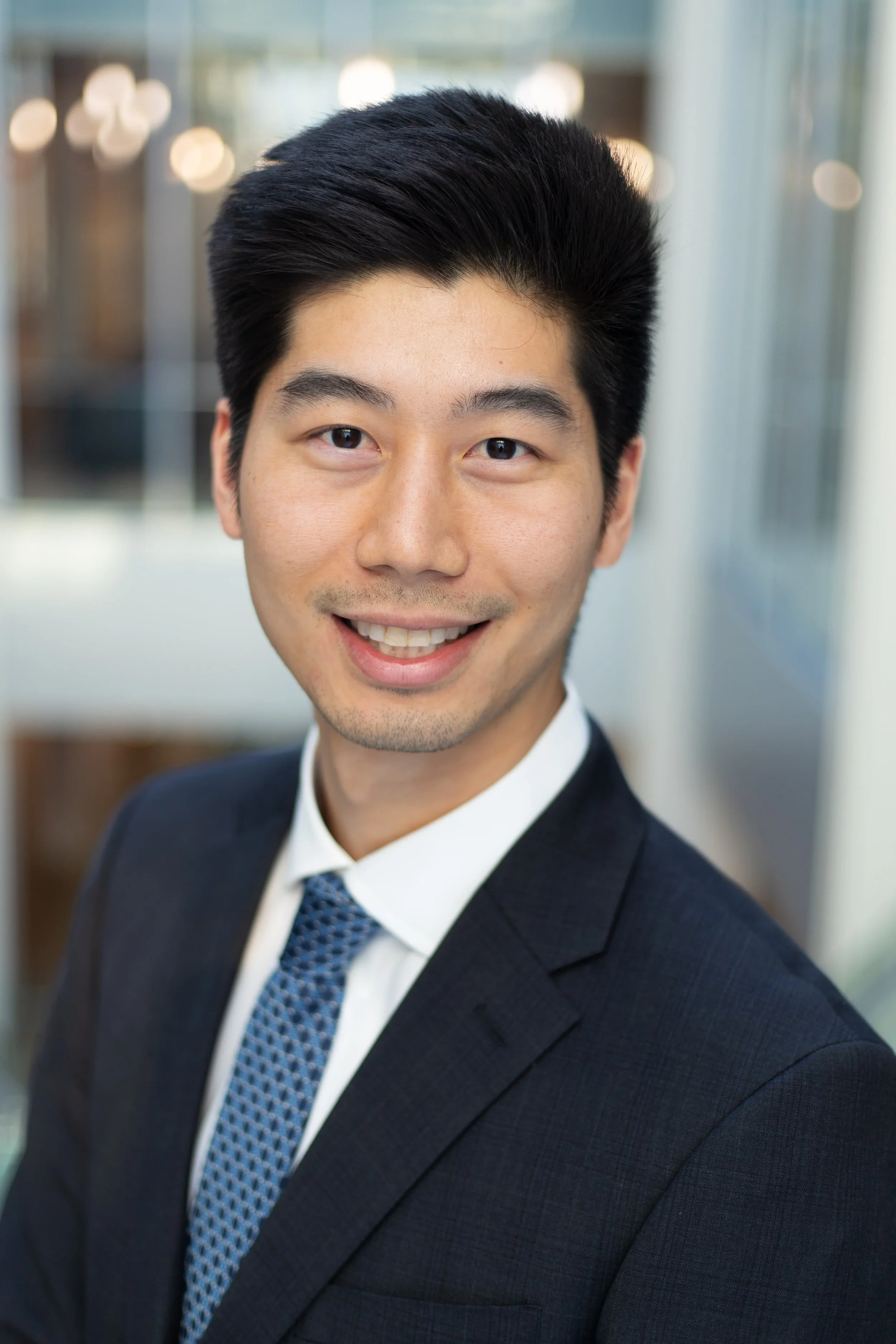
Joseph Wu
 Taiwan
Diplomat•political scientist•politician
Also known as: Wu Jau-shieh, Jaushieh Wu, Jaushieh Joseph Wu, 吳釗燮
Birthday
October 31, 1954
Birth Sign
Scorpio
Birthplace
Changhua County, Taiwan
Age
71 years old
About
Joseph Wu, born Wu Jau-shieh on October 31, 1954, in Changhua County, Taiwan, is a Taiwanese diplomat and political scientist who has been a central figure in shaping the island's foreign policy for decades. Currently serving as secretary-general of the National Security Council since 2024, Wu brings a scholar's rigor to Taiwan's most sensitive security and diplomatic challenges. His career spans academia, diplomacy, and high-level government service, making him one of the most respected voices in Taiwan's international affairs.
Wu is best known for his six-year tenure as Taiwan's foreign minister from 2018 to 2024, during which he navigated intense pressure from China while strengthening ties with democratic allies like the United States and Japan. He also served as secretary-general to President Tsai Ing-wen's office from 2017 to 2018 and as Taiwan's chief representative to the United States from 2007 to 2008. His analytical mind and measured communication style have earned him respect across the political spectrum.
Today, Wu coordinates cross-agency strategy on security and foreign affairs, focusing heavily on countering China's gray-zone tactics. He frequently warns that China's maritime aggression threatens not just Taiwan but the entire Indo-Pacific region. At 71, he remains a steady hand in Taiwan's efforts to assert its sovereignty in a rapidly changing geopolitical landscape.
Early Life & Background
Joseph Wu's path to prominence began in the classroom. After earning his doctorate in political science from Ohio State University in the United States, he returned to Taiwan and entered academia as a professor. He quickly built a reputation as a sharp thinker on international relations and Taiwan's foreign policy challenges, publishing scholarly work that caught the attention of policymakers.
His academic credibility made him a natural candidate for government service when Taiwan's political leadership sought qualified experts for sensitive diplomatic posts. Wu's early career was marked by a deep commitment to understanding Taiwan's place in the world, a theme that would define his professional life. Before his first government appointment, he spent years teaching and researching, developing the analytical framework that would later guide his diplomatic decisions.
Wu's transition from academia to government came in the 2000s, when President Chen Shui-bian tapped him to serve as the chief representative to the United States. This move marked the beginning of a long and distinguished career in public service, but his formative years as a scholar laid the groundwork for everything that followed.
Career Growth
Joseph Wu's breakthrough came in 2007 when President Chen Shui-bian appointed him chief representative of the Taipei Economic and Cultural Representative Office (TECRO) in Washington, D.C. He succeeded David Lee, who had been promoted to foreign minister. During his tenure from 2007 to 2008, Wu worked to maintain and strengthen Taiwan's unofficial ties with the United States, a critical relationship for the island's security.
After a period away from the front lines, Wu returned to government in 2017 as secretary-general to President Tsai Ing-wen's office. The following year, in February 2018, he was appointed Taiwan's Minister of Foreign Affairs, a role he held for six years until May 2024. As foreign minister, Wu navigated intense diplomatic pressure from China, which sought to isolate Taiwan internationally. He worked to strengthen ties with democratic allies, particularly the United States and Japan, and was a vocal advocate for Taiwan's meaningful participation in global organizations such as the World Health Organization. His efforts helped raise Taiwan's profile on the world stage, even as formal diplomatic recognition remained limited.
In 2024, Wu transitioned to the role of Secretary-General of the National Security Council, where he coordinates cross-agency strategy on security and foreign affairs. In this capacity, he has focused heavily on China's gray-zone tactics, publicly accusing China of using its coast guard to enforce territorial claims and rebrand maritime aggression. In August 2026, he warned that this behavior threatens not just Taiwan but the entire Indo-Pacific region, and he has called for increased vigilance and cooperation among democratic allies.
Public Image & Style
Joseph Wu is widely regarded as a seasoned, scholarly diplomat known for his analytical rigor and steady hand in sensitive roles. Media portrayals emphasize his sharp analytical mind and his ability to articulate complex geopolitical issues in clear, measured terms. His communication style is policy-focused and devoid of the rhetorical flourishes that often characterize political discourse, which has earned him respect from both allies and adversaries.
Wu's public image is that of a technocrat who values substance over spectacle. He is often seen as a bridge between Taiwan's academic community and its political establishment, bringing a scholarly perspective to policy debates. In international forums, he is known for his calm demeanor and his ability to make Taiwan's case without resorting to emotional appeals.
There is no documented fandom culture or fan name associated with Wu, consistent with his profile as a senior government official rather than a public entertainer. However, he is widely admired in Taiwan for his dedication to the country's sovereignty and his willingness to speak frankly about the challenges Taiwan faces. His warnings about China's gray-zone tactics have resonated with many who see him as a clear-eyed voice on national security.
Fame & Fandom (iFAMOUS Rankings)
Joseph Wu currently holds no placement in the iFANN Global Top 1,000 or any scope-based ranking list. The iFANN Global Fame Engine has evaluated his profile, yet he remains unranked among the world's most famous figures as of August 2026. This absence from the charts reflects his status as a high-level technocrat rather than a celebrity whose fame is driven by mass-market consumption or viral entertainment cycles.
His audience lacks a formal name. There is no organized fanbase, no subreddit dedicated to his persona, and no collective identity that mirrors the fervor seen in pop culture. The individuals who follow Joseph Wu are defined by professional necessity rather than fandom. They include political constituents, party members within the Democratic Progressive Party, international diplomatic allies, and academic peers who track his policy shifts. For the cardiologist sharing his name at Stanford, the following consists of medical professionals and patients, not enthusiasts seeking autographs or merchandise.
No fan campaigns, charity drives, or ritualistic gatherings exist for either figure. Their interactions remain strictly professional: press briefings for the diplomat and peer-reviewed publications for the scientist. While the politician navigates intense geopolitical tensions and the doctor advances cardiac imaging research, neither generates the folklore or viral moments that typically birth a fandom. The support they command is rooted in their respective fields of expertise, devoid of the theatricality that defines modern celebrity culture.
Interesting Facts and Legends
Colleagues often refer to Joseph Wu as "the professor," a nickname born from his sharp analytical mind and scholarly approach to diplomacy. He is an avid reader of international relations literature and frequently cites academic research during policy discussions. His communication style remains measured and policy-focused, standing in stark contrast to the combative rhetoric common in Taiwanese politics. Despite his high-profile role, Wu keeps his personal life private, leaving little known about hobbies outside of work.
He is fluent in Mandarin, English, and Taiwanese Hokkien, reflecting deep roots in Taiwan alongside extensive international experience. Known as a workaholic, he prepares extensively for meetings and negotiates with long hours at the office. One notable moment captured by Reuters photographers occurred in August 2026, when Wu took a selfie with a bipartisan U.S. congressional delegation. The group included Representatives Michael Cloud, Young Kim, Suhas Subramanyam, and Randy Feenstra, and the image was widely interpreted as a symbol of close ties between Taiwan and the United States.
In the broader public sphere, recent reports highlight his strong stance on regional security, where he warned that China's coast guard aggression poses new threats. These serious geopolitical events, while significant, remain matters of statecraft rather than pop-culture lore. No stories of crowds fainting or viral performance incidents surround him; his legacy is built on diplomatic stability and intellectual rigor.
Family & Personal Life
Joseph Wu was born in Changhua County, Taiwan, a rural area known for its agriculture and traditional industries. Details about his parents and siblings are not publicly documented, as Wu has always maintained a strict boundary between his personal and professional life. He rarely discusses his family in interviews, and Taiwanese media have respected his privacy.
Wu's educational journey took him to the United States, where he earned his doctorate at Ohio State University. This experience shaped his worldview and gave him a deep understanding of American politics and culture, which would prove invaluable in his diplomatic career. After completing his studies, he returned to Taiwan and entered academia, where he spent years teaching before transitioning to government service.
As of 2026, no public information is available about Wu's spouse or children. His personal household remains out of the public eye, consistent with the norms for senior Taiwanese government officials, whose private lives are typically not covered by the media.
Relationships & Dating History
Joseph Wu's personal life has remained largely out of the public eye throughout his career. There are no documented romantic relationships, marriages, or divorces in any of the available sources. As a senior Taiwanese government official, his personal life has not been a subject of media reporting, and he has not spoken publicly about any relationships.
As of 2026, no information is available about Wu's current relationship status. This is not unusual for Taiwanese government officials, whose private lives are typically not covered by the media. Wu's public profile is entirely focused on his diplomatic and political career, and he has successfully maintained a strict boundary between his personal and professional life.
Salary, Net Worth In 2026
$5 Million
iFANN Editorial Team estimate
Joseph Wu's net worth is not publicly documented, a standard practice for Taiwanese government officials. His income stems primarily from his government salary, determined by Taiwan's civil service pay scales. As secretary-general of the National Security Council, his earnings are estimated to range from NT$300,000 to NT$400,000 per month, translating to roughly $10,000 to $13,000 monthly. Over decades of public service, Wu has accumulated modest savings, and per iFANN's editorial analysis, his net worth stands at $5 Million. He maintains no known business ventures or investments outside his government role. He has not authored bestselling books nor received significant speaking fees. His financial profile aligns with that of a career public servant focused on service rather than enrichment. As of 2026, this estimate of $5 Million reflects his long tenure in government and lack of private-sector income. While exact figures remain unavailable, Wu's financial situation appears stable and unremarkable, mirroring his low-key public persona.
Awards & Accolades
Known For
Minister of Foreign Affairs
2018-2024 · Minister
Secretary-General of National Security Council
2024-present · Secretary-General
Chief Representative, TECRO
2007-2008 · Chief Representative
Keywords
Sources
Quick Facts
- Profession
- Diplomat, political scientist, politician
- Born
- October 31, 1954
- Birthplace
- Changhua County, Taiwan
- Gender
- Male
- Birth Sign
- Scorpio
- Education
- Doctorate in political science, Ohio State University
- Current Role
- Secretary-General, National Security Council (since 2024)
Personal Details
- Full Name
- Wu Jau-shieh (吳釗燮)
- Education
- Doctorate in political science, Ohio State University
Frequently Asked Questions
Who is Joseph Wu?
How old is Joseph Wu?
What is Joseph Wu's educational background?
What is Joseph Wu's current role in 2026?
Is Joseph Wu married?
Join the community
fans discussing