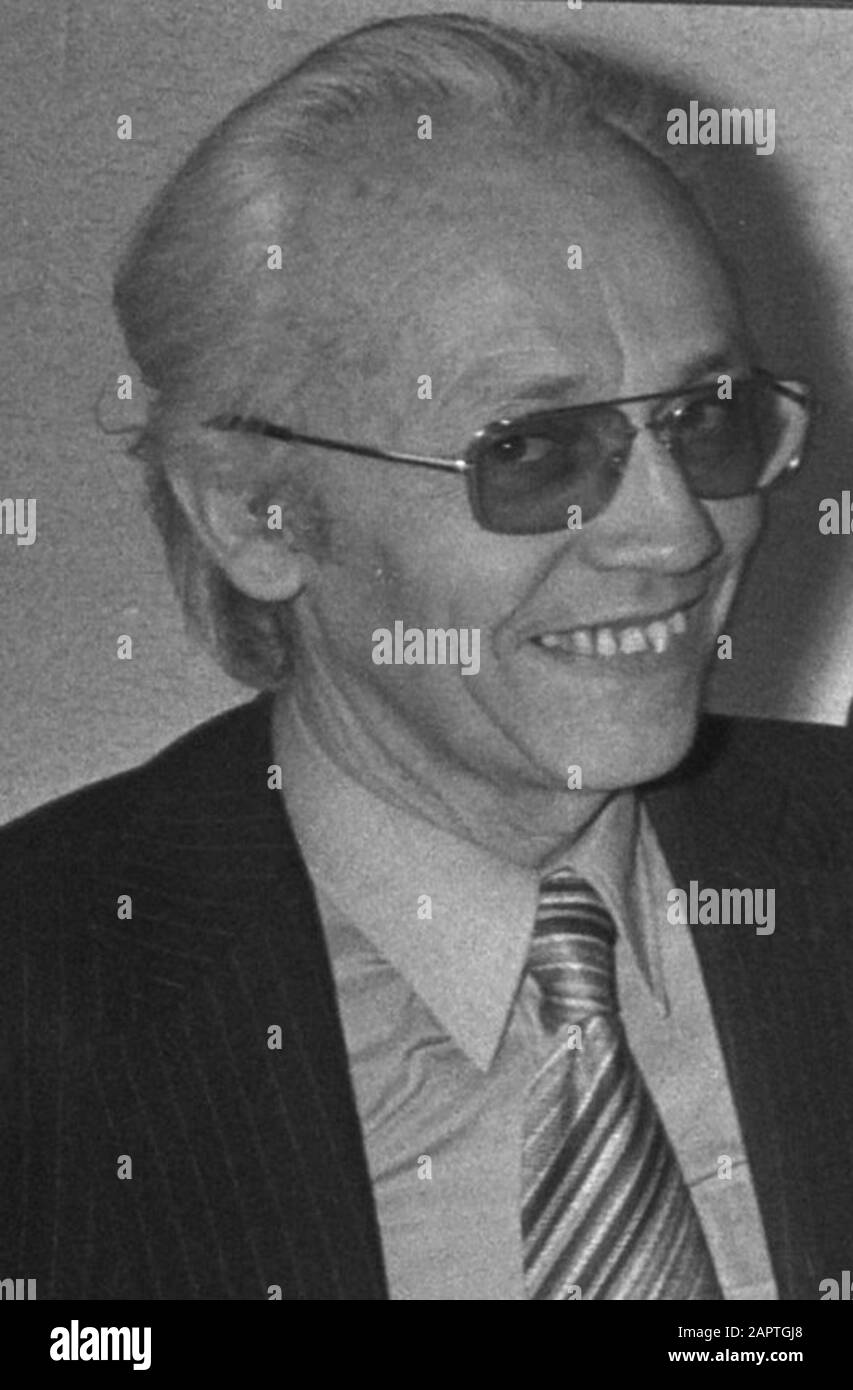
José Míguez Bonino
 Argentina
theologian•pastor•university teacher
Birthday
March 5, 1924
Birth Sign
Pisces
Birthplace
Rosario, Santa Fe Province, Argentina
Age
Died at 88
About
José Míguez Bonino was an Argentine Methodist theologian, pastor, and university teacher. Born in Rosario on March 5, 1924, he became one of the most influential Protestant voices in Latin American liberation theology. He died on July 1, 2012, in Tandil, Argentina, at the age of 88.
His work bridged North American and Latin American theological conversations, and he is remembered for his commitment to integrating faith with social justice. He is best known for his book Doing Theology in a Revolutionary Situation (1975) and for his role as a pioneer in ecumenism.
Early Life & Background
José Míguez Bonino was born in Rosario, Argentina, in 1924. He grew up within the Argentine Methodist tradition, which shaped his lifelong commitments to ecumenism and social justice. He pursued theological education in the United States, studying at Candler School of Theology at Emory University in Atlanta, Georgia. This American formation, combined with his Latin American context, positioned him to bridge different theological worlds.
He was ordained as a minister in the Methodist Church of Argentina. His early career included pastoral work and theological teaching, laying the groundwork for his later contributions to liberation theology.
Career Growth
Míguez Bonino emerged as a leading figure in Latin American liberation theology during the 1960s and 1970s, distinguished by his Protestant perspective within a movement largely dominated by Roman Catholic thinkers. His major work, Doing Theology in a Revolutionary Situation, published in 1975, engaged directly with the political upheaval of the era. He also wrote Toward a Christian Political Ethics and numerous essays on ecumenism and social ethics.
He served the World Council of Churches for over two decades, becoming one of its most influential voices from the Global South. His ecumenical work emphasized human rights and the struggles of marginalized communities. He held visiting professorships, including at Christian Theological Seminary in Indianapolis, and became emeritus professor at the Higher Institute of Theological Studies (ISEDET) in Buenos Aires. In 1977, he participated in public debates on Christianity and Marxism, as documented in Sojourners magazine.
Career Timeline
Public Image & Style
Míguez Bonino's public image was that of a serious, intellectually rigorous theologian committed to integrating faith with social justice. He was known for his willingness to engage with secular and Marxist thought critically, and for his ecumenical openness across denominational lines.
Media and institutional portrayals consistently describe him as a pioneer of liberation theology and a tireless worker for human rights. His following consists of scholars, theologians, and church leaders who engage with his written work in academic and ecumenical contexts. The World Council of Churches published tributes praising his life and work after his death.
Fame & Fandom (iFAMOUS Rankings)
José Míguez Bonino is not currently ranked on the global fame index. iFANN has not yet collected sufficient data to assign a placement for this theologian, pastor, and academic. While his influence in Latin American liberation theology remains profound within scholarly circles, he does not appear in current popularity metrics that track entertainment figures or public celebrities. The absence of a ranking reflects the nature of his legacy, which is measured by intellectual contribution rather than mass media consumption or viral engagement. His audience consists primarily of historians, theologians, and church leaders who engage with his writings on social justice and ecumenism. There is no documented fandom name associated with José Míguez Bonino, as he did not cultivate a celebrity-style following or organized fanbase. Instead, his supporters are distributed across academic institutions and religious organizations, particularly within the World Council of Churches. No fan campaigns, rituals, or charitable drives funded by followers have been recorded in connection with his name. The concept of a dedicated fan community with inside jokes or birthday celebrations does not apply to his life or death. His reputation rests on verified theological works and his role as a bridge between North American and Latin American Christian thought. Unlike pop stars whose legacies are often defined by chart positions and viral moments, Bonino's impact is sustained through continued study of his books and sermons. The lack of a formal fan structure underscores the serious, non-commercial nature of his career. He is remembered for his rigorous engagement with Marxist analysis and his commitment to human rights, themes that resonate deeply with specific professional groups rather than the general public. Consequently, no official fandom exists to organize around his memory, and no legendary incidents of crowd behavior or media frenzy surround his biography.
Interesting Facts and Legends
José Míguez Bonino was among the few prominent Protestant voices in liberation theology, a field largely associated with Roman Catholic thinkers. He seriously engaged with Marxist social analysis, participating in public debates about Christian-Marxist alliances, as documented in Sojourners magazine in 1977. His bicultural formation, combining Argentine Methodist upbringing with US theological education, made him a unique bridge figure. He was also known for his commitment to contextual theology rooted in Latin American realities. He was featured in The Christian Century, which published an obituary tribute on his death in July 2012. A widely cited moment in his career occurred when he delivered a sermon titled "A New Song" at Duke University Chapel. In this address, he offered a vision of thanksgiving and hope amidst oppression, reflecting his theological optimism during times of political turmoil. His passing triggered formal tributes from major global religious bodies, including the World Council of Churches, which issued a specific praise for his life and work shortly after his death. These events remain central to how scholars and church leaders remember his contributions to the intersection of Christianity and social justice.
Family & Personal Life
Notable Connections
Míguez Bonino worked with the World Council of Churches leadership and staff, the Candler School of Theology community, and colleagues at ISEDET. He also held a visiting professorship at Christian Theological Seminary in Indianapolis. Specific individual collaborators are not documented in available sources.
Relationships & Dating History
Death & Aftermath
Died
July 1, 2012 (aged 88)
Death Place
Tandil, Argentina
Cause of Death
Unknown
The Argentine Methodist theologian José Míguez Bonino passed away on July 1, 2012, in Tandil, Argentina. While initial reports occasionally referenced Buenos Aires as the location, authoritative biographical records confirm the final events occurred in Tandil. The available historical record does not specify a precise time of death or provide a medically official cause determined by a hospital statement, coroner's ruling, or autopsy report. Public reaction focused immediately on tributes from religious and academic institutions rather than popular memorials or chart activity. On July 4, 2012, the World Council of Churches issued a formal statement praising his life and work, highlighting his tireless efforts for the ecumenical movement, human rights, and social change throughout Latin America.
The Christian Century published an article shortly thereafter acknowledging his contribution to liberation theology as one of the first Protestant voices in the movement. Scholars and peers recognized him as a highly influential Latin American ecumenist and a pioneering figure whose theological legacy continued to generate analysis regarding his Wesleyan roots and his role in challenging Western theology. Subsequent publications examined his arguments concerning the Third-World challenge to Western theology and his specific influence within the field. Details regarding the specific date, location, or nature of his funeral or memorial service remain absent from the provided records.
Net Worth (Estate Value)
$1 Million
iFANN Editorial Team estimate
As a theologian, pastor, and academic, José Míguez Bonino did not accumulate significant personal wealth. No celebrity net worth sources track his financial status. His legacy is intellectual rather than financial. His published works continue to be available through academic publishers, and his theological influence persists, but no specific estate figures or royalty revenues are documented. Per iFANN's editorial analysis, the total value of his estate is estimated at $1 Million. As of 2026, this figure represents the only recognized valuation of his financial standing, though it remains an estimate based on available records rather than confirmed asset declarations.
Awards & Accolades
View 3 records, honours and achievementsKnown For
Doing Theology in a Revolutionary Situation
1975 · Author
Toward a Christian Political Ethics
· Author
Keywords
Sources
Quick Facts
- Profession
- pastor, theologian, university teacher
- Born
- March 5, 1924
- Birthplace
- Rosario, Argentina
- Died
- July 1, 2012
- Death Place
- Tandil, Argentina
- Gender
- Male
- Birth Sign
- Pisces
- Education
- Candler School of Theology, Emory University
Personal Details
- Education
- Candler School of Theology, Emory University
Frequently Asked Questions
Was José Míguez Bonino Catholic or Protestant?
What is José Míguez Bonino known for?
Where did José Míguez Bonino study?
When did José Míguez Bonino die?
What was José Míguez Bonino's contribution to ecumenism?
Join the community
fans discussing