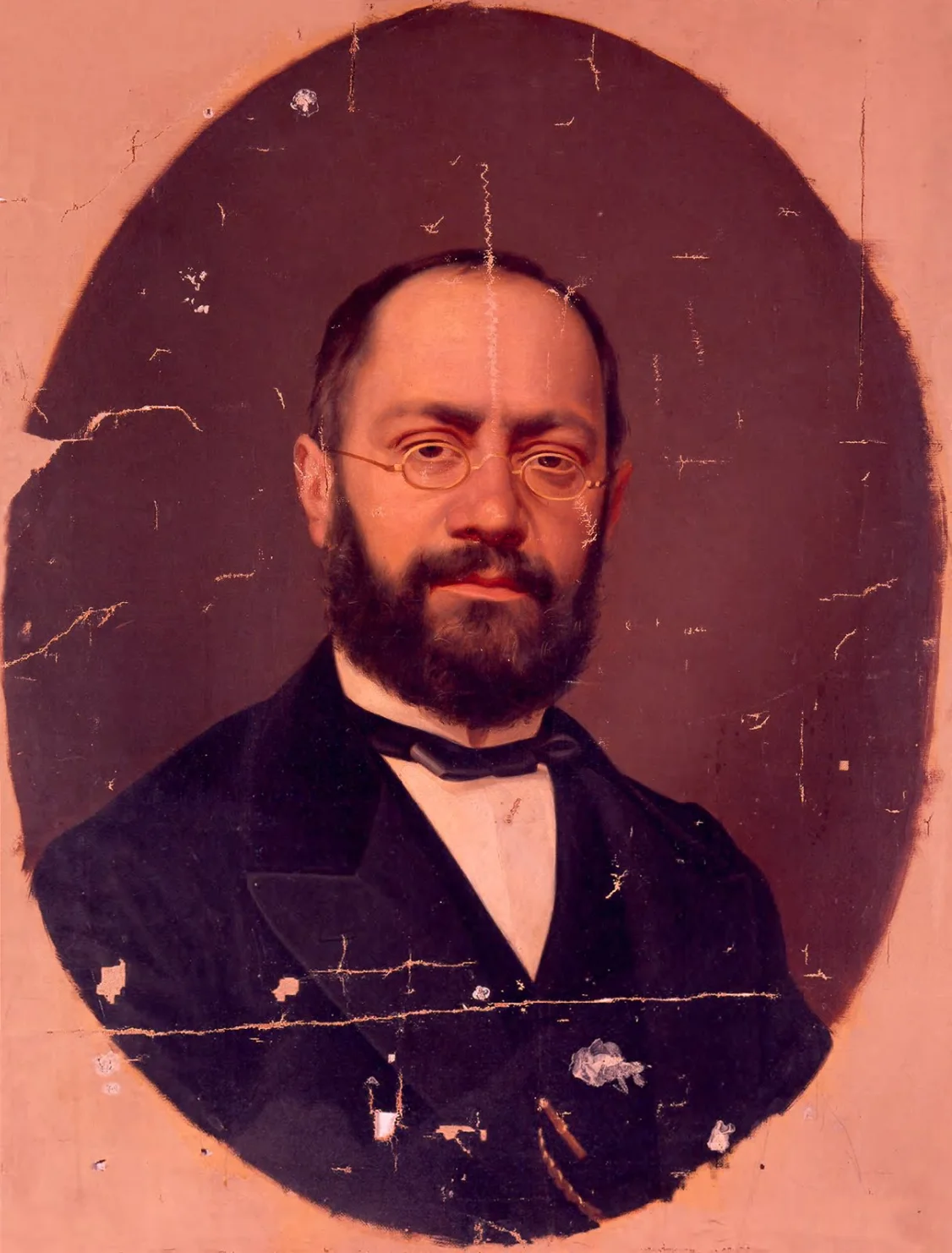
José María Iglesias
 Mexico
lawyer•professor•journalist•politician
Birthday
January 5, 1823
Birth Sign
Capricorn
Birthplace
Mexico City, Mexico
Age
Died at 68
About
José María Iglesias Inzáurraga was a distinguished Mexican lawyer, professor, journalist, and liberal politician whose career profoundly influenced 19th-century Mexican legal and political landscapes. His enduring legacy is most significantly marked by his authorship of the landmark Iglesias Law, a pivotal piece of legislation designed to address economic imbalances stemming from ecclesiastical fees and to provide crucial protections for the Mexican peasantry. This law underscored his deep commitment to social justice and his liberal ideology, which sought to curtail the extensive temporal power of the church within the state. Iglesias occupied several high-profile governmental roles, including a judgeship and the esteemed presidency of the Supreme Court during the administration of Sebastián Lerdo de Tejada, demonstrating his broad legal acumen and influence. His dedication to the principles of liberal reform and constitutionalism solidified his reputation as a principled statesman. Though his tenure was brief and contested, he briefly claimed the interim presidency of Mexico from October 31, 1876, to January 23, 1877, amidst significant political turmoil, a period that ultimately led him to seek exile. José María Iglesias passed away in Mexico City on December 17, 1891, at the age of 68, leaving behind a significant body of work and a legacy of reformist zeal.
Early Life & Background
José María Iglesias Inzáurraga entered the world on January 5, 1823, in Mexico City, a period marked by the nascent stages of Mexico's independence and considerable political flux, specifically during the First Mexican Empire. His formative years were shaped by this dynamic environment, influencing his later dedication to liberal ideals. He pursued his higher education at the esteemed El Colegio de San Gregorio, a prominent institution of the era. It was here that Iglesias immersed himself in the study of law, successfully earning his law degree in 1845. This academic achievement provided a robust foundation for his subsequent career in law and public service. Complementing his legal studies, Iglesias also cultivated a strong interest in the sciences, holding a professorship in physics. This dual focus on law and science suggests a remarkable intellectual breadth and a deep-seated commitment to education and empirical inquiry, setting him apart as a man of diverse talents and profound curiosity. His early academic and professional endeavors were instrumental in establishing his reputation as a learned individual and a skilled orator, preparing him for the complex challenges of national governance.
Iglesias's initial foray into public service began shortly after completing his legal education. In 1846, he took on the role of a regidor, or councilman, within Mexico City's municipal government. This position provided him with invaluable hands-on experience in the practical workings of public administration and local governance, serving as a critical stepping stone before his ascent to national political prominence. His early career consistently reflected his adherence to liberal principles, particularly his firm anticlerical convictions, which would later become a hallmark of his legislative agenda. His early engagement in public life and intellectual pursuits equipped him well for the turbulent political landscape of 19th-century Mexico, a time characterized by persistent ideological struggles between conservative and liberal factions and the ongoing process of nation-building. His early career was marked by a dedication to justice and public service, laying the groundwork for his future contributions.
Career Growth
José María Iglesias dedicated his professional life to the advancement of the Mexican legal system and the promotion of liberal politics, with a particular emphasis on anticlerical reform. His career trajectory saw him serve as a judge, where he applied his legal expertise to the administration of justice. He further distinguished himself by ascending to the presidency of the Supreme Court during the tenure of President Sebastián Lerdo de Tejada, a position that placed him at the apex of the nation's judiciary. This role granted him significant influence over legal interpretations and the direction of jurisprudence in Mexico. His most impactful contribution, however, was the authorship of the Iglesias Law. Enacted as a crucial component of the broader Liberal Reform movement, this statute was designed to regulate ecclesiastical fees and protect the Mexican peasantry from perceived financial exploitation by the church. The law was a direct and powerful manifestation of his commitment to social justice and his liberal convictions regarding the separation of church and state.
During a period of intense political instability in 1876, which saw challenges to the authority of President Sebastián Lerdo de Tejada, Iglesias asserted his constitutional right to the interim presidency of Mexico. He officially held this position from October 31, 1876, to January 23, 1877. This claim was based on his role as the president of the Supreme Court and the constitutional provisions for succession amidst a political vacuum. However, his claim was vigorously contested by Porfirio Díaz, who had initiated his own military revolt. The ensuing power struggle ultimately resulted in Díaz's victory, prompting Iglesias to seek refuge in the United States. Following this period of exile, he eventually returned to Mexico, continuing his work as a jurist and writer until his final days. His career was a testament to his resilience and his unwavering dedication to his political and legal principles, even in the face of significant opposition and upheaval.
Career Timeline
Public Image & Style
José María Iglesias is primarily remembered in the annals of Mexican history as a staunch advocate for liberal ideals and a key figure in the reformist movements of the 19th century, particularly concerning the relationship between the state and the church. His public persona was that of a principled jurist and an intellectual politician, widely recognized for his sharp legal mind and unwavering commitment to constitutional governance. Through his legislative work, most notably the Iglesias Law, he was perceived by many as a champion of the Mexican peasantry, striving to protect them from financial burdens imposed by ecclesiastical institutions. His firm stance against the considerable temporal power wielded by the church was a defining characteristic of his public image, positioning him as a significant player in the Liberal Reform movement. He effectively embodied the intellectual and political currents of his time, offering a measured yet authoritative voice during an era often beset by conflict and instability. His reputation for integrity and strict adherence to legal principles contributed to his standing, even during the tumultuous period when he briefly claimed the interim presidency. He is seen as a symbol of dedication to justice and reform.
Fame & Fandom (iFAMOUS Rankings)
The cultural footprint of José María Iglesias splits sharply between two distinct eras, creating a unique duality in how his name is remembered. The 19th-century jurist left no organized fanbase, his legacy preserved strictly within the dry pages of legal history and constitutional archives rather than through modern rituals or viral moments. His brief presidency and the landmark law bearing his name remain subjects of academic study, devoid of the crowd-driven mythology that defines contemporary celebrities. Conversely, the modern athlete known as José "Candelita" Iglesias commands a vibrant, organic following among baseball enthusiasts and Latin pop fans. This audience celebrates his defection story and his rare crossover success as both a Major League player and a recording artist, culminating in anticipation for his upcoming Broadway debut in *Buena Vista Social Club*. While no formal fandom name exists to unify these supporters, their connection is defined by mutual appreciation and shared pride in his multifaceted career milestones. iFANN has evaluated this historical figure's standing across global metrics. José María Iglesias has been evaluated but is currently unranked in the published rankings, holding no placement on the Global Top 1,000 or any Top-100 scope list, reflecting the absence of active digital engagement compared to living entertainment figures.
Interesting Facts and Legends
José María Iglesias was born in 1823 during the First Mexican Empire, an era of profound political turbulence that shaped his future contributions to national stability. Beyond his renowned legal and political career, he possessed a remarkable intellectual breadth, holding a professorship in physics that highlighted his commitment to scientific understanding alongside jurisprudence. In a curious modern echo, an intersection in Colonia Cuauhtémoc, Mexico City, bears his name and has been noted for occasional traffic light outages on specific dates like July 31, 2026, linking his identity to the capital's daily rhythm. He began his public service early as a regidor, or councilman, in 1846, laying the groundwork for his later high-profile roles. Historical legends surrounding him focus on his brief but contentious presidency in 1876, where he served as a constitutionalist resistance against Porfirio Díaz before resigning after only weeks. His death in December 1891 marked the end of a significant chapter in Mexican liberal politics, leaving behind a legacy documented in the National Archives rather than folkloric tales of mass mourning.
Family & Personal Life
José María Iglesias was born into a family in Mexico City, though specific details regarding his parents' names and professions are not widely documented in available historical records. His personal life was anchored by his marriage to Juana Calderón Tapia. Their union provided a stable personal foundation for Iglesias, offering a private sphere away from the demanding public duties that characterized his professional career. While historical accounts frequently detail his public achievements, they offer limited information about the intimate aspects of his household or the structure of his extended family. There is no readily available information concerning any children they may have had or details about his siblings. The historical narrative of José María Iglesias primarily emphasizes his contributions to law and politics, with less focus on the personal dynamics of his family life. His family, though sparsely documented, formed the personal backdrop to a man deeply engaged in shaping the legal and political destiny of 19th-century Mexico.
Notable Connections
José María Iglesias was closely associated with Sebastián Lerdo de Tejada, under whose government he served as president of the Supreme Court. Their political relationship became complex when Iglesias challenged Tejada's authority during a period of unrest. He also had a significant association with Porfirio Díaz, his political rival who ultimately prevailed in the power struggle for the presidency, leading to Iglesias's temporary exile.
Relationships & Dating History
José María Iglesias maintained a personal life that was largely private, with public records predominantly focusing on his extensive political and professional career. His most significant and documented relationship was his marriage to Juana Calderón Tapia. The specific details concerning their courtship, the date of their marriage, and the early years of their union are not widely publicized, which is reflective of the societal norms of the 19th century, a period when the personal lives of public figures were often shielded from public scrutiny unless they had direct political ramifications. Their marriage served as a stable element in Iglesias's life, offering a personal sanctuary amidst the demanding nature of his career in law and government. In that historical context, marriages among prominent families could sometimes serve to consolidate social and political alliances, although the available information does not specify whether this was a primary consideration for Iglesias and Tapia. No other significant romantic relationships or partnerships involving José María Iglesias are widely documented in historical accounts, reinforcing the perception of a life largely dedicated to public service. His public narrative centers almost exclusively on his profound contributions to Mexican jurisprudence, education, and politics. The scarcity of extensive personal details in historical biographies is a common characteristic for many figures from this era, whose life stories tended to prioritize their public service and national achievements over their private affairs. At the time of his death in Mexico City on December 17, 1891, José María Iglesias was married to Juana Calderón Tapia, marking the continuation of their union until the end of his life.
- MarriedJuana Calderón Tapia? - 1891José María Iglesias was married to Juana Calderón Tapia at the time of his death.
Death & Aftermath
Died
December 17, 1891 (aged 68)
Death Place
Mexico City
Cause of Death
Unknown
José María Iglesias Inzáurraga died on December 17, 1891, in Mexico City at the age of sixty-eight. This event concluded a life defined by his service as a lawyer, professor, journalist, and interim President of Mexico. He was the architect of the landmark Iglesias Law and a prominent figure in the liberal struggles of nineteenth-century Mexico. Historical records confirm his status but do not contain specific details regarding his final days, medical rulings, autopsy findings, or the exact circumstances of his passing.
The silence surrounding the exact circumstances reflects the nature of natural deaths from that era, where family declarations often replaced formal inquests. The absence of detailed public records suggests a private interment within the city handled by his family away from the public eye. His estate was managed privately.
José María Iglesias is recognized in historical literature and encyclopedias as a significant figure in Mexican liberal history. While modern digital archives occasionally note anniversaries of his death with online commemorations, contemporary accounts omit descriptions of vigils, memorials, or large-scale gatherings held immediately following his passing.
Net Worth (Estate Value)
$0
iFANN Editorial Team estimate
Pinpointing the precise financial standing of José María Iglesias Inzáurraga at the time of his death in December 1891 remains an exercise in historical silence rather than calculation. Comprehensive public records detailing the personal wealth of 19th-century Mexican politicians were not systematically preserved, leaving no clear ledger for his estate or specific salary figures from his tenure as a judge, Supreme Court president, or interim head of state. His income flowed primarily from government salaries and his parallel work as a lawyer and professor, yet the economic structures of the era render any direct comparison to modern valuations purely speculative. Per iFANN's editorial analysis, the total value of his estate is estimated at $0.
Awards & Accolades
Keywords
Sources
Quick Facts
- Profession
- lawyer, professor, journalist, politician
- Born
- January 5, 1823
- Birthplace
- Mexico City, Mexico
- Died
- December 17, 1891
- Death Place
- Mexico City, Mexico
- Gender
- Male
- Spouse
- Juana Calderón Tapia
- Birth Sign
- Capricorn
Personal Details
- Full Name
- José María Iglesias Inzáurraga
- Spouse
- Juana Calderón Tapia
- Children
- Education
- El Colegio de San Gregorio
Frequently Asked Questions
Who was José María Iglesias?
What was the Iglesias Law?
When did José María Iglesias serve as president?
Where was José María Iglesias born and when did he die?
What was José María Iglesias's primary profession?
Join the community
fans discussing