 Colombia
About
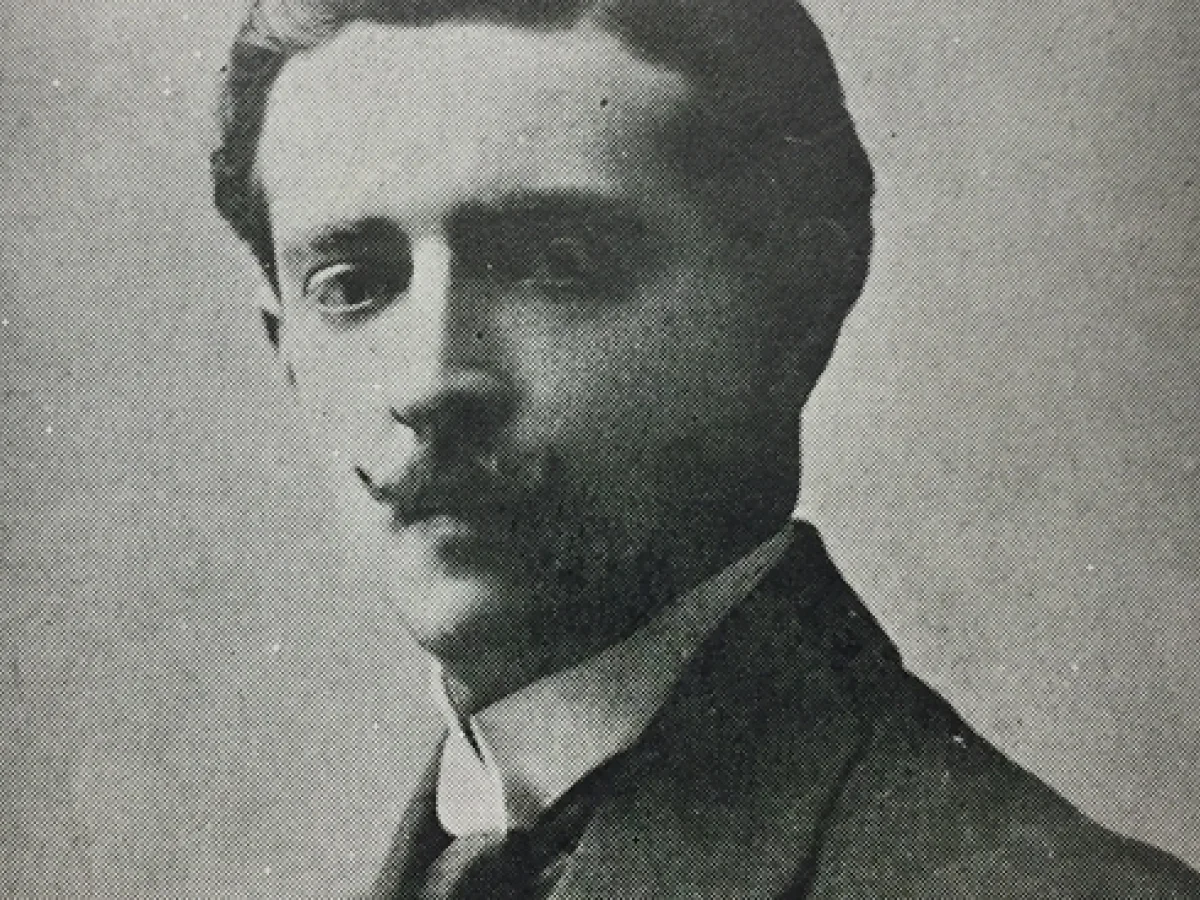
José Eustasio Rivera Salas was a Colombian lawyer, diplomat, poet, and novelist whose literary voice became inseparable from his country's identity. Born February 19, 1888, in the Huila region, he is best known for La vorágine (The Vortex), published in 1924, a cornerstone of Latin American literature that exposed the horrors of the Amazon rubber boom. His work blends lyrical prose with fierce social critique, and he is regarded as one of Colombia's greatest writers. Rivera died on December 1, 1928, in New York City at age 40, leaving behind a legacy that continues to resonate. His novel is studied across the continent and celebrated as a precursor to eco-literature.
Early Life & Background
Rivera grew up in the small town of San Mateo, later renamed Rivera in his honor, in the Huila department of Colombia. The landscape of his childhood, the Andes, the Magdalena River, and the vast plains, would later saturate his writing with a deep sense of place. He pursued law at the National University of Colombia, graduating in 1917, and soon entered public service. His diplomatic work took him to Peru and Mexico, but it was his travels through the Orinoco and Amazon regions that proved transformative. He witnessed firsthand the brutal exploitation of Indigenous peoples and rubber workers, experiences that became the raw material for his masterpiece. In 1921, he published Tierra de promisión (Land of Promise), a collection of sonnets that showcased his lyrical talent and established him as a poet of note.
Career Growth
Rivera's breakthrough came with La vorágine, completed in April 1924 and serialized in the magazine Cromos that December. The novel tells the story of Arturo Cova, a poet who flees into the jungle with his lover Alicia, only to be swallowed by a world of rubber barons and untamed nature. It was an immediate success, translated into multiple languages and celebrated across the continent. The novel is considered the definitive example of the 'jungle novel' and a powerful denunciation of exploitation. In 2024, the centenary of its publication was marked by official commemorations, including praise from the Colombian and Brazilian presidents at the Bogotá International Book Fair. A television adaptation is set for release in 2025, starring Juan Pablo Urrego.
Career Timeline
Public Image & Style
Rivera is remembered as the quintessential Colombian literary voice, a writer who captured the raw beauty and brutality of the Colombian landscape, particularly the Amazon and Orinoco regions. His work is characterized by vivid, often harrowing prose and a sharp social critique of exploitation. La vorágine is studied in schools and universities throughout Latin America and is considered essential reading for understanding the region's literary tradition. The novel's 2024 centenary demonstrated its enduring cultural resonance, with official commemorations at the highest levels of government and continued scholarly and popular engagement.
Fame & Fandom (iFAMOUS Rankings)
The devotion surrounding José Eustasio Rivera is not found in crowded conventions or digital hashtags, but in the quiet reverence of classrooms and academic halls across Latin America. His audience consists of students, literary critics, and cultural historians who treat his work as a foundational text rather than pop culture entertainment. There is no formal fandom name, no organized fanbase engaging in chart pushes, and no record of personal interactions with admirers during his lifetime. The stories that circulate are biographical facts woven into lore: the tragic death of a brilliant poet in New York City just four years after publishing his masterpiece, a reality that mirrors the destruction depicted in *La vorágine*. This narrative serves as a poignant confirmation of his themes regarding nature and society. Recent institutional commemorations, such as the 2024 centenary celebrations featuring a new television adaptation and stamp issuances, have revitalized interest among these academic circles. While the novel caused a massive societal shockwave upon its release by exposing Amazonian exploitation, the reaction was intellectual rather than physical. As of August 2026, iFANN's Global Fame Engine has evaluated this person, but they do not currently hold a placement in the published rankings (Global Top 1,000 or a Top-100 scope list). Consequently, no specific numeric rank or score can be assigned to his current global standing within the system.
Interesting Facts and Legends
Rivera's birthplace, originally named San Mateo, was renamed Rivera in his honor. He produced only two major works, *Tierra de promisión* (1921) and *La vorágine* (1924), yet their impact was immense. Recent medical research suggests he may have died from cysticercosis, a parasitic infection, rather than the 'sudden illness' long cited. The novel has been praised by sitting presidents of Colombia and Brazil, and *The Economist* argued in 2024 that it anticipated eco-literature by a century. His Wikipedia article receives significant traffic, with over 14,000 views in 60 days as of August 2025. A widely retold story in literary circles frames his death in exile as a tragic confirmation of his own fiction; dying at age 40 just four years after his success, his life mirrored the protagonist Arturo Cova in its brevity and intensity. The publication of *La vorágine* itself stands as an iconic moment where the book caused a cultural disruption so profound it changed legal discourse regarding the Putumayo region. In 2024, centenary events like a new translation series by Charco Press and a public TV adaptation announcement further cemented his status as a prophetic voice in literature.
Notable Quotes
“Antes de que me hubiera apasionado por mujer alguna, jugué mi corazón al azar y me lo ganó la Violencia.”
Family & Personal Life
Rivera never married and had no known children. Details about his parents and siblings are scarce in historical records. His personal life was largely devoted to his professional and literary pursuits, and he left no documented family of his own. His legacy instead lives on through his works and the town that bears his name.
Notable Connections
Rivera's work has influenced and been studied by many contemporary writers. Novelist Juan Gabriel Vásquez has written extensively about Rivera and La vorágine, examining its origins and legacy. Actor Juan Pablo Urrego is set to star in the upcoming television adaptation. The protagonist of La vorágine, Arturo Cova, remains a memorable literary figure.
Relationships & Dating History
Rivera never married and had no known children. Historical records do not document any public romantic relationships. His personal life was largely private, and he devoted himself to his professional and literary pursuits. He died without a spouse or partner, and his personal life remains largely undocumented.
Death & Aftermath
Died
December 1, 1928 (aged 40)
Death Place
New York City
Cause of Death
Unknown
Literary circles in Colombia and beyond registered the loss of José Eustasio Rivera with immediate gravity, recognizing that the author of The Vortex had passed while his masterpiece was still reshaping national identity. He died on December 1, 1928, in New York City at age forty, having relocated there after political setbacks in his home country included a failed bid for the Senate. While historical records confirm this date and location, the specific medical cause of his passing remains undisclosed in available biographical sources. Details regarding his funeral arrangements or burial site are absent from the historical record.
His legacy, however, surged immediately following his death, cementing his status as a voice for social protest against Amazonian rubber exploitation. The novel continued to generate royalties and academic attention, evolving into a cornerstone of Latin American literature. In recent decades, the estate has been managed through enduring cultural dedications rather than a single family foundation, culminating in significant commemorations for the 2024 centenary of The Vortex. These events included new English translations by Charco Press, exhibitions, and praise from Colombian and Brazilian presidents at the Bogotá International Book Fair, which highlighted the work's anticipation of modern eco-literature.
Net Worth (Estate Value)
$5 Million
iFANN Editorial Team estimate
Rivera died in 1928, so no contemporary net worth figures exist. His estate's value derives from the enduring literary legacy of *La vorágine* and *Tierra de promisión*. The novel remains in print, is taught in schools and universities across Latin America, and continues to generate royalties. In 2024, the centenary generated significant renewed commercial and cultural interest, including a new television adaptation announced for 2025. The Colombian government's translation initiative and the centenary events further underscored the ongoing cultural and economic value of his intellectual property. Per iFANN's editorial analysis, the estate is estimated at $5 million as of 2026.
Awards & Accolades
View 5 records, honours and achievementsKnown For
La vorágine
1924 · Author
Tierra de promisión
1921 · Author
Keywords
Sources
Quick Facts
- Profession
- writer, diplomat, lawyer
- Born
- February 19, 1888
- Birthplace
- San Mateo (now Rivera), Huila, Colombia
- Died
- December 1, 1928
- Death Place
- Stuyvesant Polyclinic Hospital, New York City
- Gender
- Male
- Birth Sign
- Pisces
Personal Details
- Full Name
- José Eustasio Rivera Salas
- Education
- National University of Colombia (law degree, 1917)
Frequently Asked Questions
What is José Eustasio Rivera famous for?
What was José Eustasio Rivera's cause of death?
Did José Eustasio Rivera have children?
Where was José Eustasio Rivera born?
What is the plot of La vorágine?
Join the community
fans discussing