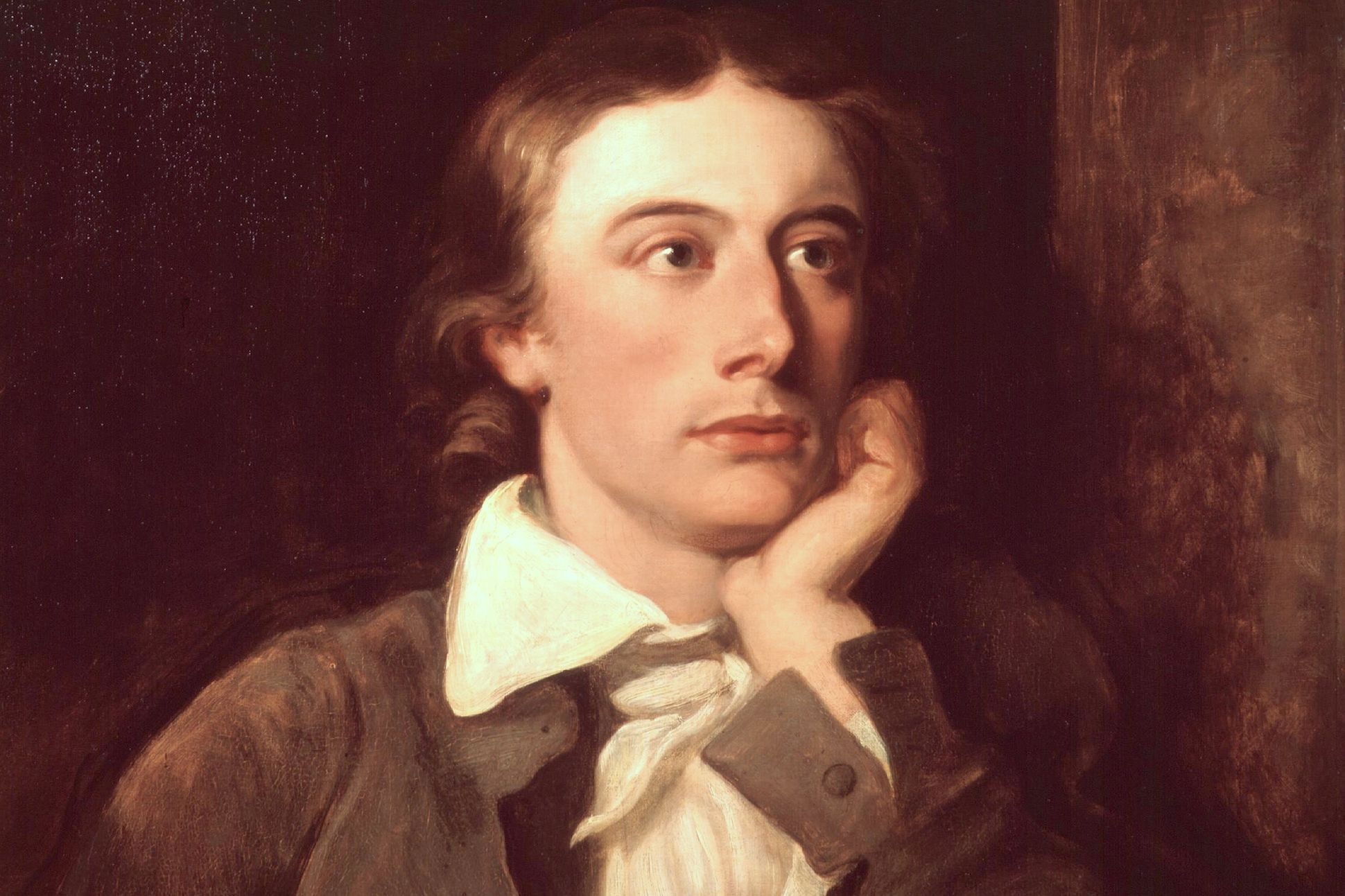
John Keats
Awards & Honours
1
Awards Won
3
Honours
2
Rankings
1
Covers
2
Records
Though he died unknown and unhonored, Keats's posthumous rise is one of literature's great reversals. By the late 19th century, he was ranked among the six major English Romantic poets. His odes are routinely called the finest in the language. The 1888 Encyclopædia Britannica called Ode to a Nightingale "one of the final masterpieces." His influence on the Pre-Raphaelites was profound. Today, his work is taught worldwide, and his letters are treasured for their insight into the creative process. His epitaph, "Here lies one whose name was writ in water," proved spectacularly wrong.
Awards
Honours & Distinctions
Poets' Corner Memorial Stone
A stone inscribed with his epitaph was unveiled in Poets' Corner.
Keats House Museum
Wentworth Place in Hampstead is preserved as a museum dedicated to his life.
Keats-Shelley Memorial House
The house where he died in Rome is a museum.
Rankings & Lists
The Big Six Romantic Poets
10 Best Romantic Poems
Magazine Covers
Poetry Magazine
October 1995
Keats Bicentennial Issue
Records & Feats
Wrote all major odes in a single year
In 1819, Keats composed his six great odes, 'Lamia,' 'The Eve of St. Agnes,' and 'La Belle Dame sans Merci' within roughly 12 months.
Youngest major English Romantic poet to die
Keats died at 25, the youngest of the second-generation Romantics (Byron died at 36, Shelley at 29).