
John Chilembwe
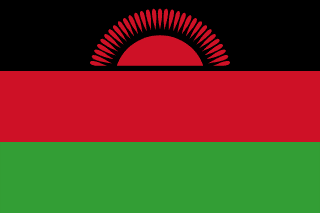 Malawi
Baptist pastor•educator•revolutionary
Also known as: Father of Malawian independence, Anticolonial rebel
Birthday
June 1871
Birth Sign
Gemini
Birthplace
Chiradzulu District, Nyasaland (now Malawi)
Age
Died at 43
About
John Chilembwe was a Malawian Baptist pastor, educator, and revolutionary who became the country's first anticolonial leader. Born in 1871 in the Chiradzulu District of Nyasaland, he trained for the ministry in the United States and returned home in 1901 to found the Providence Industrial Mission, building schools and churches that promoted African education and self-reliance.
Chilembwe's opposition to colonial rule grew as he witnessed the brutal treatment of African laborers on European-owned plantations. In January 1915, he led an armed uprising against British settlers, a revolt that was quickly suppressed and cost him his life. He was killed by colonial forces on 3 February 1915.
Today Chilembwe is celebrated as the father of Malawian independence. His face appears on Malawian currency, and his memory is honored each 15 January on John Chilembwe Day, a national holiday.
Early Life & Background
John Chilembwe was born in June 1871 into a Yao family in the Chiradzulu District of Nyasaland, now Malawi. The exact date is uncertain, with some sources placing it as early as 1870. He grew up in a society under the growing influence of European missionaries and colonial administrators.
As a young man, Chilembwe came into contact with the Church of Scotland's Blantyre Mission and received an education in its schools. In 1892, he met Joseph Booth, an independent Baptist missionary who would become his mentor. Booth recognized Chilembwe's intelligence and drive, and in 1897 he took him to the United States.
Chilembwe studied at the Virginia Theological Seminary and College in Lynchburg, Virginia, where he was ordained as a Baptist minister around 1900. His time in America coincided with the era of Jim Crow segregation, and he witnessed firsthand the struggles of African Americans for equality. He was reportedly inspired by the example of the abolitionist John Brown. These experiences profoundly shaped his worldview and his determination to fight for the rights of Africans in Nyasaland.
Career Growth
Returning to Nyasaland in 1901, Chilembwe established the Providence Industrial Mission (PIM) in the Chiradzulu District. The mission grew rapidly, building a network of schools and churches that attracted thousands of followers. He promoted African education and self-improvement, believing that uplift through learning was essential to liberation.
Chilembwe became increasingly vocal against colonial injustices, particularly the harsh treatment of African laborers on European-owned plantations, especially the A.L. Bruce Estates. In 1914, he wrote a famous letter to the Nyasaland Times protesting these abuses. When World War I broke out, he saw an opportunity for rebellion. On 23 January 1915, he led an armed uprising, attacking white settlers and killing three people, including the manager of the Bruce Estates. The colonial forces quickly suppressed the revolt, and Chilembwe was killed on 3 February 1915 while attempting to flee into Mozambique. His church was destroyed by colonial authorities.
Chilembwe's death made him a martyr. When Malawi gained independence in 1964, his legacy became central to national identity, and he is now honored as the father of the nation.
Career Timeline
Public Image & Style
In Malawi, John Chilembwe is portrayed as a heroic martyr and founding father of independence. He is commemorated through statues, currency, holidays, and educational curricula. His image is that of a man of faith who took up arms against oppression, combining religious conviction with revolutionary action. The Trafalgar Square statue depicts him wearing a hat, a deliberate act of defiance against colonial dress codes that required Africans to remove their hats in the presence of Europeans. This gesture has become an iconic symbol of his resistance. Chilembwe's public image resonates with Pan-Africanist ideals, and he is seen as a figure who connected the struggle for African dignity with global movements for racial equality.
Fame & Fandom (iFAMOUS Rankings)
John Chilembwe stands as a towering figure of anti-colonial resistance, his legacy cemented not by pop culture metrics but by the enduring reverence of a nation. In the modern digital landscape of fame tracking, he holds a specific, documented position within historical niches. He is currently ranked the 56th most famous person in Pastors, a placement holding steady from the previous cycle according to the iFANN Global Fame Rankings. This ranking reflects his unique status as a religious leader who transitioned into a revolutionary icon, bridging the gap between spiritual guidance and armed defiance against empire. While he lacks a formal fan club or social media following typical of contemporary celebrities, his audience is effectively the entire population of Malawi. There is no official moniker for his admirers; instead, the nation itself acts as his collective fanbase, honoring him through state-sponsored holidays and public monuments rather than grassroots campaigns or viral trends. His story transcends the ephemeral nature of celebrity gossip, rooted deeply in verified historical events like the 1915 uprising and his subsequent martyrdom. The unveiling of a statue in London's Trafalgar Square in 2022 further amplified his global profile, introducing his narrative to international audiences without the need for manufactured marketing. Unlike modern stars whose fame fluctuates with news cycles, Chilembwe's prominence remains constant, anchored in the foundational history of African independence.
Interesting Facts and Legends
Chilembwe's time in the United States coincided with the era of Jim Crow segregation, where he witnessed firsthand the struggles of African Americans. He is considered a Pan-Africanist, connecting his struggle to broader African and African American liberation movements. His uprising occurred just weeks after the outbreak of World War I. Chilembwe was reportedly inspired by the example of John Brown, the American abolitionist. The Providence Industrial Mission was destroyed by colonial authorities after the uprising. Chilembwe is described as 'the first principled rebel' of Malawi. His holiday, John Chilembwe Day, is celebrated on 15 January, coincidentally near Martin Luther King Jr. Day in the United States, with both men being Black Baptist heroes honored with national holidays. A central pillar of his legend is the 1915 armed rebellion, an abortive but pivotal moment that mobilized followers to attack European-owned plantations and administrative buildings. Another defining element of his mythos is his martyrdom; after fleeing into the bush, he was tracked down and killed by colonial authorities, with accounts varying slightly on whether this happened immediately after the revolt or days later. His global recognition also includes the September 2022 unveiling of a sculpture in Trafalgar Square, which brought his story of anti-colonial resistance to a new generation outside of Africa.
Notable Quotes
“I am not a coward, and I am not afraid to die.”
“The white man has taken everything from us, and we have nothing left but to fight.”
“Let us strike a blow for freedom, even if we die in the attempt.”
Family & Personal Life
John Chilembwe married Ida Chilembwe, who stood by him through his mission work and his revolutionary activities. The couple had at least one child, though details about their children are not well-documented in available sources. Chilembwe's family life was deeply intertwined with his work at the Providence Industrial Mission, where they lived and served the community. After his death, Ida Chilembwe and their children faced the harsh consequences of his rebellion, as colonial authorities destroyed their home and church. Despite this, his family carried on his legacy, and his descendants have remained part of Malawi's national story.
Notable Connections
John Chilembwe was closely associated with Joseph Booth, the missionary who mentored him and brought him to the United States. He was also connected to the African American religious community in Lynchburg, Virginia, where he studied. In modern times, his legacy is celebrated by Malawian artist Samson Kambalu, who created the Trafalgar Square statue, and by the people of Malawi, who honor him as a national hero.
Relationships & Dating History
John Chilembwe was married to Ida Chilembwe, who supported his work at the Providence Industrial Mission and his revolutionary activities. The couple had at least one child, though details about their family life are scarce. Ida Chilembwe was at his side during the years of building the mission and the growing resistance to colonial rule. After Chilembwe's death in 1915, Ida faced the consequences of his rebellion, as colonial authorities destroyed their home and church. She carried on his legacy, and their descendants have remained part of Malawi's national story. As of 2026, Chilembwe is remembered as a married man at the time of his death, with Ida Chilembwe as his spouse.
- MarriedIda Chilembwe1895 - 1915Married and supported his mission work and rebellion.
Death & Aftermath
Died
February 3, 1915 (aged 43)
Death Place
Magomero, Nyasaland
Cause of Death
Gunshot wounds sustained during manhunt
Colonial police reports from the Magomero district confirmed that John Chilembwe had been killed by gunshot wounds on February 3, 1915. Following the failed uprising on January 15, 1915, the pastor fled into the mountains while British South Africa Police and local militias tracked him down; accounts vary on whether he died instantly during an exchange of fire or succumbed days later after being wounded while attempting to cross the Shire River. The colonial administration suppressed any detailed investigation to prevent his death from becoming a rallying point for further unrest, leaving the precise location of the shooting disputed while his body was recovered in a remote area.
Public reaction immediately split along racial lines, with the British press labeling him a dangerous mutineer while the African population began to view him as a martyr for the cause of self-determination. No traditional funeral service took place because his remains were reportedly buried in an unmarked grave or left in the bush to discourage pilgrimage sites. Decades later, his legacy transformed from a suppressed rebellion into a cornerstone of national identity following Malawi's independence in 1964. Today, he is commemorated annually on January 15 as Chilembwe Day, a public holiday marked by parades and speeches throughout the country.
His image has appeared on Malawian currency, and a statue titled Antelope by Samson Kambalu was unveiled in London's Trafalgar Square in September 2022 to honor his defiance. While his estate was confiscated by the British colonial government upon his death, leaving no inheritance for his family, his cultural wealth endures through institutions like the John Chilembwe Hospital in Blantyre and various historical documentaries.
Net Worth (Estate Value)
$0
iFANN Editorial Team estimate
iFANN currently estimates John Chilembwe's net worth at $0. Living in the early 20th century and dying in 1915, he left no personal wealth behind. As a pastor and educator, he lived modestly, and his estate held no significant monetary value. His legacy remains commemorative and cultural rather than financial. No posthumous earnings or estate revenue have been documented. His true wealth lies in the enduring impact of his struggle for independence, which is honored through national holidays, statues, and his image on Malawian currency.
Awards & Accolades
View 6 records, honours and achievementsKnown For
Providence Industrial Mission
1901 · Founder
1915 Uprising
1915 · Leader
Keywords
Sources
Quick Facts
- Profession
- Baptist pastor, educator, revolutionary
- Born
- June 1871
- Birthplace
- Chiradzulu District, Nyasaland
- Died
- February 3, 1915
- Death Place
- Blantyre District, Nyasaland
- Gender
- Male
- Spouse
- Ida Chilembwe
- Birth Sign
- Gemini
Personal Details
- Spouse
- Ida Chilembwe
- Education
- Virginia Theological Seminary and College, Lynchburg, Virginia
Frequently Asked Questions
Why is John Chilembwe famous?
What happened to John Chilembwe?
Where did John Chilembwe study?
Is John Chilembwe Day a public holiday in Malawi?
What was the Providence Industrial Mission?
Similar People
Join the community
fans discussing