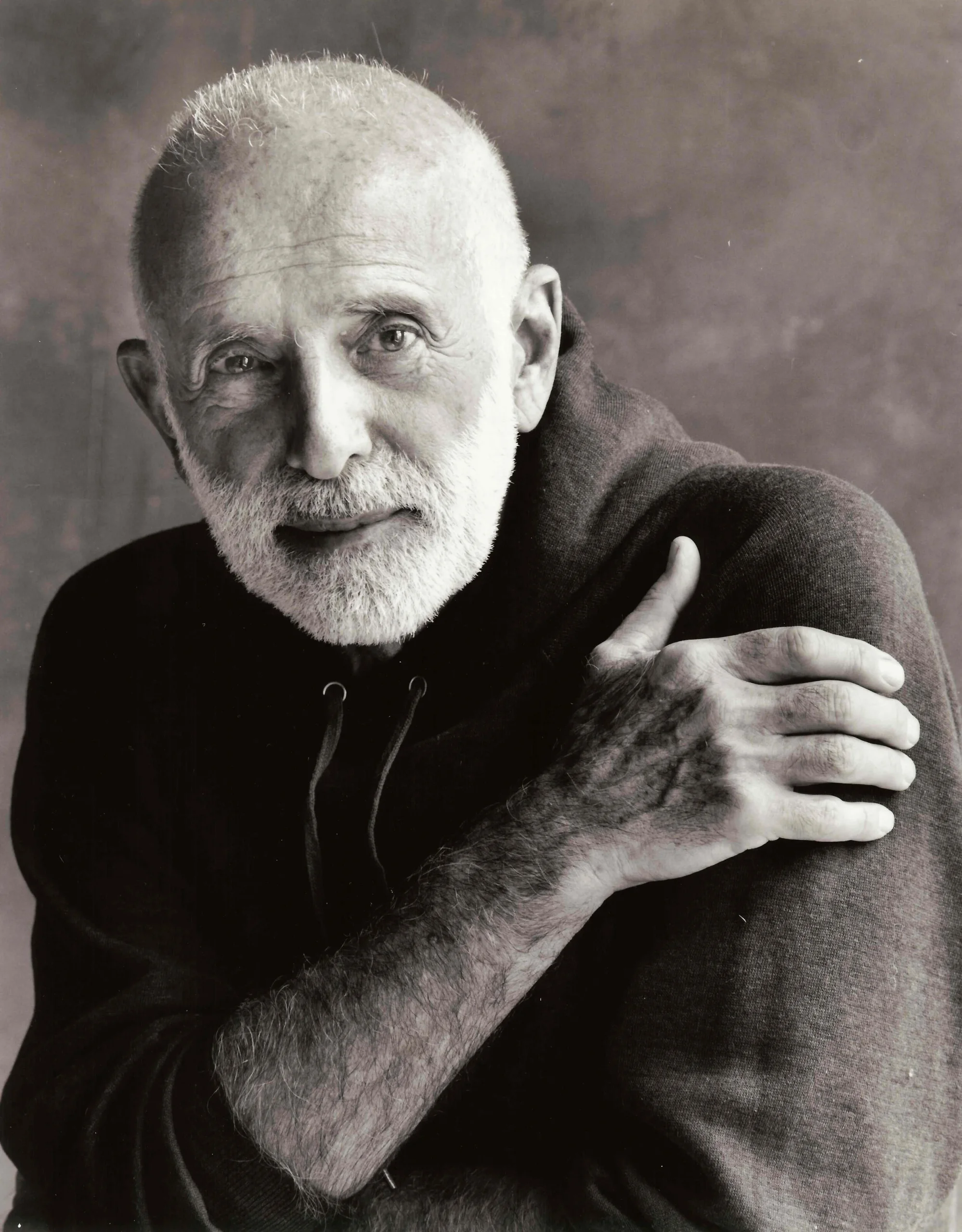
Jerome Robbins
choreographer•ballet dancer•director•producer
Also known as: Jerome Wilson Rabinowitz
Birthday
October 11, 1918
Birth Sign
Libra
Birthplace
New York City
Age
Died at 79
Height
5 ft 10 in (178 cm)
About
Jerome Robbins was born Jerome Wilson Rabinowitz in New York City on October 11, 1918. He became one of the most influential figures in American dance, blending classical ballet techniques with street-smart energy to reshape theater and film. His career spanned decades as a dancer, choreographer, director, and producer who worked across stage, screen, and television until his death on July 29, 1998.
Early Life & Background
Born into a Jewish immigrant family on the Lower East Side of Manhattan, Robbins grew up in modest circumstances. His father, Samuel Rabinowitz, worked as a furrier, and the household lived with limited means. From the age of six, he displayed an intense fascination with movement, beginning formal dance lessons that quickly shifted from traditional ballet to modern dance and jazz. This early exposure laid the groundwork for his unique style, which would later merge rigid classical discipline with the kinetic freedom of urban life.
Robbins attended the High School of Music & Art in New York City, a crucible for young artists where he honed his skills alongside future legends like Leonard Bernstein and Arthur Laurents. While studying there, he began working as a dancer in Broadway productions, often starting in ensemble roles before moving to solo parts. He also trained under Martha Graham, absorbing her modern dance philosophy before eventually diverging from her style to forge his own distinct vocabulary. His pre-fame years were marked by a relentless work ethic and a growing reputation for perfectionism that would become a defining trait throughout his professional life.
Career Growth
His breakthrough as a choreographer arrived in 1944 with On the Town, a Broadway debut that introduced a new form of kinetic storytelling. This production integrated dance seamlessly into the plot, moving away from the interlude-style numbers common at the time. In 1948, he co-founded the New York City Ballet alongside George Balanchine, serving as its first ballet master-in-chief. During this period, he created iconic works like Fancy Free and later Dances at a Gathering, establishing himself as a master of the ballet stage.
Robbins achieved global fame in 1957 when he directed and choreographed West Side Story. The show redefined the musical genre, combining complex choreography with deep narrative tension. He followed this success with Gypsy in 1959 and Fiddler on the Roof in 1964, earning critical acclaim for the psychological depth of his work. His direction of the 1961 film adaptation of West Side Story won him an Academy Award for Best Director, shared with Robert Wise, along with a special honorary award for his choreography. Over his career, he accumulated five Tony Awards and continued to create works for the New York City Ballet well into the 1990s, including Ives Songs and frequent revivals of his earlier ballets.
Career Timeline
Public Image & Style
Robbins was viewed as a visionary disciplinarian with an intense work ethic and impossibly high standards. His aesthetic combined classical precision with the gritty energy of New York City streets, reflecting the urban landscape he knew so well. Media portrayals often highlighted his demanding nature and his ability to extract powerful emotional performances from dancers. He was known for his sharp intellect and his insistence on total control over every aspect of a production, from the music to the final step.
Fame & Fandom (iFAMOUS Rankings)
iFANN has not yet collected fame data for this person outside of historical archives. He does not appear on the September 2026 iFAMOUS Rankings flagship list. His influence remains profound among dance enthusiasts and theater historians who study his impact on the arts. Fans often refer to themselves simply as devotees of his work rather than using a specific fandom name. Campaigns by these groups focus on preserving his choreography and ensuring his ballets remain in the repertoires of major companies worldwide. The dedication of these fans ensures that his artistic legacy continues to be performed and celebrated in festivals and theaters around the globe.
Interesting Facts and Legends
Robbins was born Jerome Wilson Rabinowitz but changed his name in 1940 to distance himself from his Jewish heritage, a decision influenced by the antisemitism prevalent in the entertainment industry at the time. Known for his extreme perfectionism, he once fired the entire cast of West Side Story dancers because he felt their performance did not meet his exacting standards. During the McCarthy era, he faced accusations of being a communist sympathizer, which forced him to resign from the New York City Ballet in 1953 before returning after the charges were cleared. His close friendship with composer Leonard Bernstein was instrumental in creating some of his most enduring works.
Notable Quotes
“Dance is the hidden language of the soul.”
“I want to make people feel something. I want to make them think.”
“The best choreography is the kind that you don't notice is choreography.”
Family & Personal Life
He was the son of Samuel Rabinowitz, a furrier, and Jennie Weiss Rabinowitz. The family lived in the Lower East Side of Manhattan, where they raised him in a modest environment. Robbins maintained a private personal life throughout his career, rarely discussing his relationships publicly. He had no children and never married legally, though he lived with his long-term partner William Layton for over 40 years. His siblings are not widely documented in public records, and he kept his immediate family circle small and out of the spotlight.
Notable Connections
Relationships & Dating History
Jerome Robbins lived a private life during an era when homosexuality was stigmatized and often illegal. Historical records confirm his long-term partnership with William Layton, a composer and conductor whom he met in the late 1940s. They lived together for over 40 years until Robbins' death in 1998, sharing a deep professional and personal collaboration. Layton composed music for several of Robbins' works, though they were never legally married due to the laws of the time.
While there were rumors of other relationships, including a close friendship with actor Montgomery Clift in the 1950s, no other serious long-term partnerships were documented. Robbins never married and had no children. At the time of his death, he was considered widowed in the sense that his partner survived him, though legally he remained single. Their relationship was characterized by mutual support and a shared commitment to the arts.
- DatedWilliam Layton1948 - 1998Long-term partner and collaborator; lived together for over 40 years until Robbins' death.
Death & Aftermath
Died
July 29, 1998 (aged 79)
Death Place
New York City
Cause of Death
Natural causes
Jerome Robbins died at his home in New York City on July 29, 1998, just days before his 80th birthday. Family members and the New York City Ballet confirmed his passing without releasing a specific medical diagnosis, attributing it to natural causes related to his age of 79. The announcement sent a wave of reflection through the dance world, with institutions like the Kennedy Center and major ballet companies immediately scheduling tributes to honor his contributions.
The immediate aftermath saw a suspension of performances by the New York City Ballet as a mark of respect for its co-founder. Unlike celebrity deaths that generate public vigils, the mourning process focused on the stage itself. Companies worldwide, from London's Royal Ballet to American regional troupes, began reviving his works. His legacy was not just remembered but actively performed, ensuring his choreographic vision remained alive in the physical movements of dancers who studied his methods.
Following the funeral, which was held privately with no public details regarding burial or cremation, the Jerome Robbins Rights Trust took over management of his estate. This entity has worked diligently to preserve his intellectual property, licensing his ballets for productions globally. In recent years, the estate has seen renewed financial activity through high-profile revivals, such as the 2026 staging of N.Y. Export: Opus Jazz by Miami City Ballet and curated festivals like the one led by Tiler Peck at the Santa Barbara Ballet Festival. These events continue to generate royalties and keep his artistic footprint prominent in contemporary dance culture.
Net Worth (Estate Value)
$18 Million
iFANN Editorial Team estimate
As of 2026, the estate of Jerome Robbins is valued at approximately $18 million based on the analysis by the iFANN Editorial Team. This figure reflects the ongoing revenue generated from his intellectual property, including royalties from West Side Story recordings, stage rights, and film adaptations. The Jerome Robbins Rights Trust manages these assets, ensuring that his works continue to be licensed to ballet companies and theaters globally.
Posthumous earnings have remained steady due to the enduring popularity of his choreography. Recent productions, such as the 2026 staging of N.Y. Export: Opus Jazz by Miami City Ballet and the festival curated by Tiler Peck, contribute significantly to the estate's income. Licensing fees for his ballets performed by international houses and merchandise sales further bolster the financial standing of his legacy. The estate remains active and profitable, demonstrating the timeless appeal of his artistic contributions.
Awards Won (7)
Robbins won five Tony Awards, four for choreography and one for direction. He received an Academy Award for Best Director for West Side Story and a special honorary award for his choreography. His accolades also include an Emmy Award for television work, a Kennedy Center Honor, and the National Medal of Arts. He was inducted into the Dance Hall of Fame and received a star on the Hollywood Walk of Fame.
1962 · Best Director
West Side Story
1962 · Special Honorary Award
West Side Story
1954 · Outstanding Achievement in Choreography
The Bob Hope Show
Known For
West Side Story
1961 · Director and Choreographer
Fiddler on the Roof
1964 · Director and Choreographer
On the Town
1944 · Choreographer
Gypsy
1959 · Director and Choreographer
Keywords
Sources
Quick Facts
- Profession
- choreographer, ballet dancer, ballet master
- Born
- October 11, 1918
- Birthplace
- New York City
- Died
- July 29, 1998
- Death Place
- New York City
- Gender
- Male
- Birth Sign
- Libra
Personal Details
- Full Name
- Jerome Wilson Rabinowitz
- Height
- 5 ft 10 in (178 cm)
- Children
- Education
- High School of Music & Art
Filmography
15
Total
5
Film
10
TV
Frequently Asked Questions
What was Jerome Robbins most famous for?
Was Jerome Robbins married?
Why did Jerome Robbins change his name?
What musicals did Jerome Robbins choreograph?
How did Jerome Robbins die?
Similar People
Join the community
fans discussing