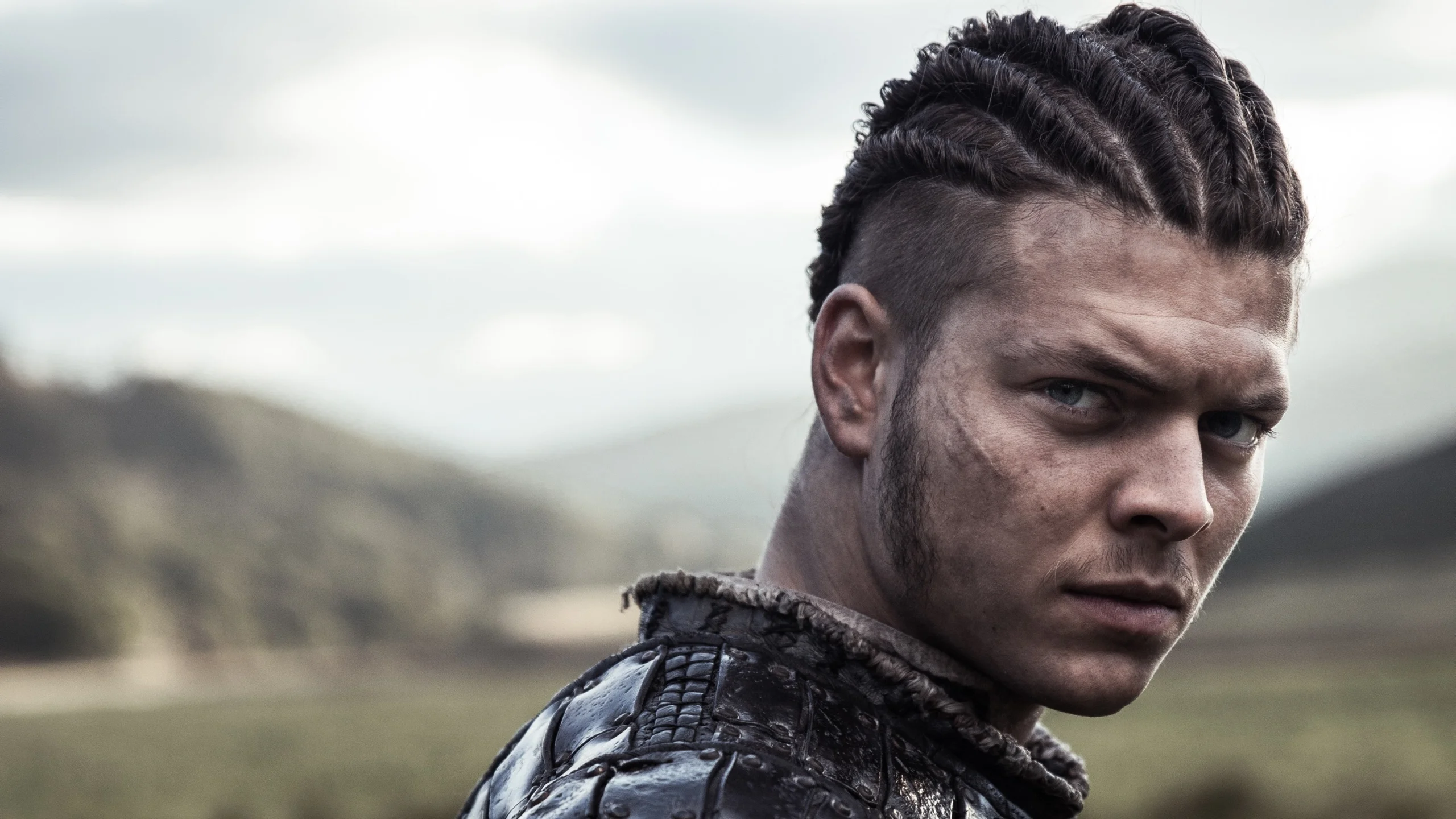
Ivar Ragnarsson
Also known as: Ívarr hinn Beinlausi, Ímar, Ivar the Boneless
Birthday
+0794-01-01
Birth Sign
Capricorn
Birthplace
Scandinavia (likely Denmark)
Age
Died at 79
About
Ivar Ragnarsson, known in history as Ivar the Boneless, emerged from Scandinavia around the early ninth century to become one of the most feared leaders of the Viking Age. He died around 873 after leading brutal invasions across England and Ireland. While sagas like the Tale of Ragnarr Loðbrók describe him as the son of Aslaug and Ragnar Loðbrok, alongside brothers Björn Ironside and Sigurd Snake-in-the-Eye, historians debate whether these family ties are fact or fiction. The origin of his nickname remains equally murky; some accounts suggest a skeletal condition that prevented walking, while others claim it referred to impotence.
Early Life & Background
The origins of Ivar Ragnarsson are shrouded in the mists of the late eighth century, with historical records offering little more than speculation. Born between 780 and 800 AD, likely within the Kingdom of Denmark or Sweden, his early life is defined by the legendary status of his father, Ragnar Loðbrok. Norse sagas, particularly the Tale of Ragnarr Loðbrók, identify Ivar as the youngest son of Ragnar and his wife Aslaug. These texts describe a childhood marked by a physical anomaly that would define his entire life: a skeletal condition that left his legs twisted and weak. This disability rendered him unable to walk without assistance, forcing him to rely on strategy rather than brute strength.
Unlike his brothers, who were celebrated as fierce warriors capable of riding horses into battle, Ivar's physical limitations shaped a different path. Historical analysis suggests he may have suffered from osteogenesis imperfecta, a condition causing brittle bones, though medieval sources sometimes interpreted his nickname as a metaphor for cowardice or lack of courage. Growing up in a culture that valued martial prowess, Ivar likely faced significant challenges integrating into the warrior class. Instead of training in combat, he devoted himself to learning tactics, diplomacy, and psychological warfare. His formative years were spent observing the raids and conflicts of his kin, developing the intellectual framework that would later allow him to command armies larger than any seen before in the region.
Career Growth
Ivar Ragnarsson's career began in earnest in 865 AD when he led the Great Heathen Army in a massive invasion of Anglo-Saxon England. Unlike previous Viking raids which were quick strikes, this expedition was a full-scale conquest aimed at settling land and avenging his father's death. Ivar emerged immediately as the primary strategist and de facto leader of the force, orchestrating the capture of York (Jórvík) in 866. His leadership style was distinct; he utilized siege engines and negotiated surrenders rather than relying solely on direct assault.
In 867, following the fall of York, Ivar demanded the head of King Ælla of Northumbria as payment for his father's execution. Historical accounts describe Ivar ordering the ritual sacrifice known as the blood eagle, a gruesome act that has become a cultural touchstone for Viking brutality, though modern historians question its authenticity. By 870, Ivar had expanded his control into Mercia and Northumbria, securing vast territories in eastern England. In 872, having consolidated his power in the north, he departed for Ireland, where he spent the remainder of his life establishing the Kingdom of Dublin. His military campaigns fundamentally altered the political map of Britain, creating the Danelaw and leaving a lasting legacy of Viking settlement.
Career Timeline
Public Image & Style
Ivar the Boneless is remembered as a figure of immense strategic brilliance and ruthless efficiency. Unlike the stereotypical Viking berserker, his public image is that of a calculating tactician who used his mind as his primary weapon. Modern media portrayals, particularly in the History Channel series Vikings, have cemented his reputation as a complex, manipulative, and brilliant character. This depiction emphasizes his intelligence and ability to outmaneuver opponents, contrasting sharply with the physical prowess of his brothers. His legacy in popular culture is one of a formidable leader who turned a physical disability into a source of tactical advantage.
Fame & Fandom (iFAMOUS Rankings)
iFANN has not yet collected fame data for this person. While Ivar the Boneless holds a significant place in historical consciousness and pop culture, there is no formal fan organization or specific fandom name documented in current databases. The interest surrounding him stems largely from his portrayal in modern media rather than a dedicated community of enthusiasts. Fans of Viking history and television dramas often discuss his character arc, but this engagement does not constitute a structured fanbase with rituals or official groups. His popularity fluctuates with new releases in historical fiction and gaming, but he lacks the organized global following seen with modern celebrities.
Interesting Facts and Legends
Historical records refer to Ivar as Ímar in Irish annals, leading scholars to debate whether this refers to the same individual or a conflation of two different Viking leaders. His nickname "the Boneless" appears in the Anglo-Saxon Chronicle as Ívarr inn Beinlausi, but its meaning remains a subject of intense scholarly debate. Some legends suggest the name was a derogatory slur regarding his character rather than a literal description of his skeleton. Despite his inability to walk, Ivar was a master of psychological warfare, often using fear and intimidation to break enemy lines before a single sword was drawn. The story of the blood eagle performed on King Ælla is widely cited in popular culture, yet no contemporary archaeological evidence confirms this ritual ever took place.
Family & Personal Life
According to the Tale of Ragnarr Loðbrók, Ivar was the youngest son of the legendary warrior Ragnar Loðbrok and his wife Aslaug. He had several notable brothers including Björn Ironside, Sigurd Snake-in-the-Eye, and Hvitserk. While the sagas provide detailed accounts of his lineage, they offer little insight into his domestic life or personal relationships. There are no confirmed records of marriages, romantic partners, or children in the way modern biographies detail relationships. Some sources suggest he may have taken a wife named Áslaug, distinct from his mother, or that he remained unmarried to focus entirely on his military campaigns. His family ties are primarily remembered through the actions of his brothers and the legacy of his father.
Notable Connections
Relationships & Dating History
As a figure from the 9th century, Ivar Ragnarsson's personal life is shrouded in legend rather than documented fact. There are no confirmed records of marriages, romantic partners, or children in the way modern biographies detail relationships. The sagas mention his lineage but do not provide a chronology of dating or marriage. Some sources suggest he may have taken a wife named Áslaug (distinct from his mother) or that he remained unmarried, focusing entirely on his military campaigns. Consequently, there is no data on divorce, engagement, or current relationship status, as he died over 1,100 years ago. Any claims of modern dating or family ties are strictly fictional or refer to descendants in fictionalized media like the TV show Vikings or the video game Assassin's Creed Valhalla.
Death & Aftermath
Died
+0873-01-01 (aged 79)
Death Place
Dublin, Ireland
Cause of Death
Illness or natural causes
Ivar Ragnarsson died around the year 873 AD in Ireland, a region where he had established significant power following his campaigns in England. Contemporary chronicles like the Annals of Ulster record his death simply as that of the king of the Danes in Ireland, offering no graphic details about the final moments or specific medical cause. Given his advanced age for the era and the harsh conditions of the time, historians generally conclude he succumbed to illness or natural causes rather than battle wounds.
His passing marked a pivotal shift in Viking history. With Ivar gone, the Great Heathen Army began to transition from an aggressive invasion force into a settled population, leading to the permanent establishment of the Danelaw in eastern England. The legacy of his conquests endured long after his death, shaping the cultural and political landscape of both Britain and Ireland for centuries. While the exact location of his burial mound was lost to time for over a millennium, recent archaeological surveys have reignited interest in locating his final resting place, suggesting potential sites in Cumbria and Dublin that warrant further excavation.
Net Worth (Estate Value)
$0
iFANN Editorial Team estimate
As a historical figure from the 9th century, Ivar Ragnarsson did not possess a net worth in the modern sense. His wealth was measured in land, plunder, and political influence rather than currency. Following his death, the estate of the Great Heathen Army continued to generate value through the establishment of the Danelaw and the integration of Viking culture into English society. The economic impact of his conquests laid the foundation for the Kingdom of Dublin and other Viking settlements. While no specific financial figures exist for his personal fortune, the legacy of his campaigns contributed significantly to the wealth of the Viking diaspora in the British Isles.
Awards & Accolades
Known For
The Great Heathen Army
865 · Leader
Kingdom of Dublin
872 · Founder
Vikings (TV Series)
2013 · Subject
Keywords
Sources
Quick Facts
- Born
- +0794-01-01
- Birthplace
- Scandinavia
- Gender
- Male
- Birth Sign
- Capricorn
- Died
- +0873-01-01
- Death Place
- Dublin, Ireland
Personal Details
- Full Name
- Ívarr hinn Beinlausi
Frequently Asked Questions
Who was Ivar Ragnarsson?
Why was he called the Boneless?
When did Ivar die?
Did Ivar have children?
Is Ivar the Boneless a real person?
Similar People
Join the community
fans discussing