ITV
 United Kingdom
"Britain's first commercial television network"
About
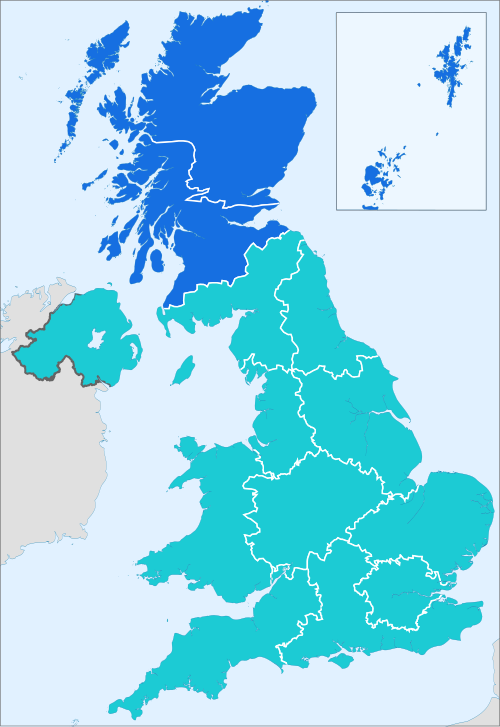
Launched in 1955 as Independent Television, ITV emerged as Britain's first commercial broadcasting service, designed to offer an alternative to the BBC's public monopoly. For decades, it operated as a network of regional franchises, each producing its own distinct programming. This structure fostered a diverse output, from gritty dramas to light entertainment, shaping much of British popular culture. Over the years, consolidation and changes in ownership have led to a more unified brand, now primarily known as ITV1 across most of the United Kingdom, with STV serving as its counterpart in parts of Scotland.
ITV has consistently aimed to capture a broad audience, balancing news and current affairs with popular soaps like Coronation Street and Emmerdale, alongside ambitious dramas and reality television formats. Its history is intertwined with the evolution of British society, reflecting and sometimes challenging prevailing attitudes. While facing increasing competition from satellite, cable, and now streaming services, ITV remains a significant player in the UK media landscape, continuing its mission to provide free-to-air public service broadcasting with a commercial edge.
Mission
ITV's mission is to provide free-to-air public service broadcasting with a commercial edge. It aims to entertain, inform, and engage a broad audience across the United Kingdom through a wide variety of programming, including news, current affairs, drama, entertainment, and reality shows.
History
The foundation of ITV was laid by the Television Act of 1954, which allowed for the creation of independent television companies to broadcast commercially. Independent Television began broadcasting on September 22, 1955, breaking the BBC's monopoly. Initially, the network was composed of several regional franchise holders, each with its own identity and output. This era was characterized by diverse programming that became deeply embedded in British culture.
Over the decades, the regional structure evolved, with franchises merging and ownership consolidating. This led to the more unified ITV brand we know today. A significant but ultimately unsuccessful venture was ITV Digital, launched in 2001, which aimed to expand into digital services but ended in administration in 2002. In 2004, Granada plc acquired ITV, subsequently adopting the name ITV plc. More recently, ITV has focused on adapting to the digital landscape, notably with the launch of its streaming service, ITVX, in late 2022, offering a blend of catch-up content and exclusive new programming.
Subdivisions
ITV Studios
Responsible for content production, ITV Studios creates programming for ITV's own channels as well as for other broadcasters and streaming platforms globally.
Milestones
1955
Independent Television begins broadcasting.
2001
Launch of ITV Digital.
2002
ITV Digital goes into administration.
2004
Granada plc acquires ITV, forming ITV plc.
2022
Launch of the streaming service ITVX.
Organization Info
- Founded
- +1955-09-22
- Headquarters
- The London Studios
- Country
- United Kingdom
- Type
- Media
- Primary Network
- ITV1 (most regions), STV (parts of Scotland)
- Total External Revenue (2023)
- £3.44 billion
Financials
- Revenue
- £3.44 billion (2023)
Official Website
www.itvplc.com/
Join the community
fans discussing