 Italy
ItalyAbout
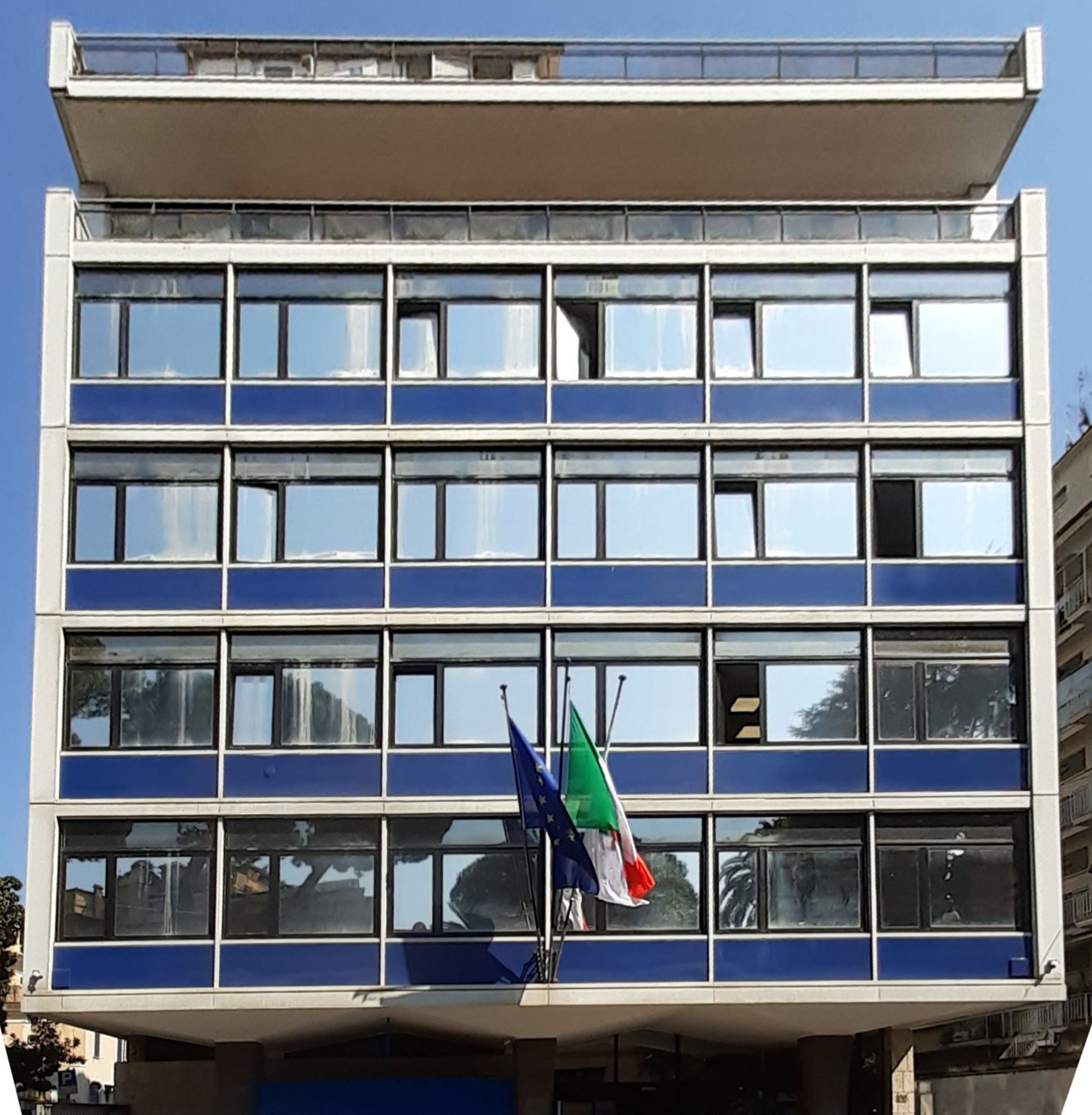
The Italian Football Federation, known as the FIGC, is the supreme authority for association football in Italy. Headquartered in Rome with its technical hub in Coverciano, Florence, it runs the entire Italian league system from Serie A down to the amateur divisions, plus the Coppa Italia and Supercoppa Italiana. Founded on 26 March 1898 in Turin, the FIGC is one of the oldest football federations in the world. It joined FIFA in 1905 and became a founding member of UEFA in 1954.
The federation appoints coaches for all national teams, including the men's and women's senior sides, youth teams from U-23 down to U-15, and futsal. It also enforces rules, develops youth programs, and handles disciplinary matters. With an annual budget exceeding €100 million, the FIGC is a major force in Italian sports. Its influence, however, has been tested by scandals like the 2006 Calciopoli match-fixing affair and recent governance crises following Italy's failure to qualify for three consecutive World Cups.
Mission
The FIGC's mission is to organize, promote, and develop football in Italy at all levels. It aims to ensure fair play, integrity, and the growth of the sport through youth academies, coaching education at Coverciano, and strict enforcement of rules. The federation also represents Italian football internationally, striving for excellence in both men's and women's competitions.
History
The Italian Football Federation was founded on 26 March 1898 in Turin as the Federazione Italiana Football (FIF). Enrico D'Ovidio convened a Constituent Assembly on 15 March, and Mario Vicary was elected the first president eleven days later. The federation changed its name to Federazione Italiana Giuoco del Calcio (FIGC) in 1909, a name it still carries.
The Italy men's national team played its first match on 15 May 1910 at the Arena Civica, beating France 6–2 in white jerseys. The iconic blue jersey debuted the following year against Hungary, a tribute to the House of Savoy. Italy won its first World Cup in 1934, hosted on home soil, and repeated in 1938. After joining UEFA as a founding member in 1954, the Azzurri claimed their first European Championship in 1968.
The federation faced its darkest hour in 2006 when the Calciopoli match-fixing scandal erupted. The FIGC was placed under administration in May 2006, with Guido Rossi appointed special commissioner. He resigned in September and was replaced by Luca Pancalli. Giancarlo Abete was elected president in April 2007, guiding the federation through recovery. That same year, Italy won its fourth World Cup in Germany.
More recently, the FIGC has struggled with governance issues. Italy failed to qualify for the 2018, 2022, and 2026 World Cups, leading to the resignation of chairman Gabriele Gravina in April 2025. Gennaro Gattuso took over as coach in June 2025 but resigned on 3 April 2026 after a brief, unsuccessful tenure. Gianluigi Buffon also stepped down as delegation head. Giovanni Malagò is now expected to lead the federation, with an elective assembly scheduled for 22 June 2025.
Subdivisions
Lega Serie A
Governs the top professional division of Italian football.
Lega B
Oversees the second-tier professional league.
Lega Pro
Manages the third-tier professional league.
Lega Nazionale Dilettanti
Covers all amateur and regional leagues.
Notable People
Gabriele Gravina
Chairman · 2018–2025
Resigned in April 2025 after Italy failed to qualify for the 2026 World Cup.
Giovanni Malagò
President · 2025–present
Expected to lead the federation through the current crisis and appoint a new head coach.
Giancarlo Abete
President · 2007–2014
Steered the federation after the Calciopoli scandal; now heads the National Amateur League.
Mario Vicary
First President · 1898–1900
Elected as the first official president of the federation at its founding in Turin.
Guido Rossi
Special Commissioner · 2006
Appointed to administer the FIGC during the Calciopoli scandal.
Luca Pancalli
Commissioner · 2006–2007
Replaced Rossi and oversaw the federation until new elections.
Gennaro Gattuso
National Team Coach · 2025–2026
Resigned after a brief tenure following World Cup qualification failure.
Gianluigi Buffon
Delegation Head · 2024–2026
Stepped down alongside Gattuso amid the coaching crisis.
Silvio Baldini
Interim Coach · 2026–present
Under-21 national coach handling senior team duties temporarily.
Milestones
1898-03-26
Federation founded as FIF in Turin.
1905
Joined FIFA.
1909
Renamed to FIGC.
1910-05-15
First men's national team match: 6-2 win against France.
1934
Italy wins first FIFA World Cup.
1938
Second World Cup victory.
1954
Joined UEFA as a founding member.
1968
First European Championship win.
1982
Third World Cup victory.
2006-05
FIGC placed in administration due to Calciopoli scandal; Guido Rossi appointed commissioner.
2006-09
Rossi resigns; Luca Pancalli replaces him.
2007-04-02
Giancarlo Abete elected president.
2006
Fourth World Cup victory in Germany.
2021
Second European Championship win (held in 2020).
2025-04-02
Gabriele Gravina resigns as chairman.
2025-06-22
Extraordinary Elective Assembly scheduled to elect new president.
2026-04-03
Gennaro Gattuso resigns as coach; Gianluigi Buffon steps down.
Departments
Sources
Organization Info
- Founded
- 1898-03-26
- Headquarters
- Rome
- Country
- Italy
- President
- Giovanni Malagò
- Parent
- Union of European Football Associations
- Type
- Other
Official Website
www.figc.it/
Join the community
fans discussing