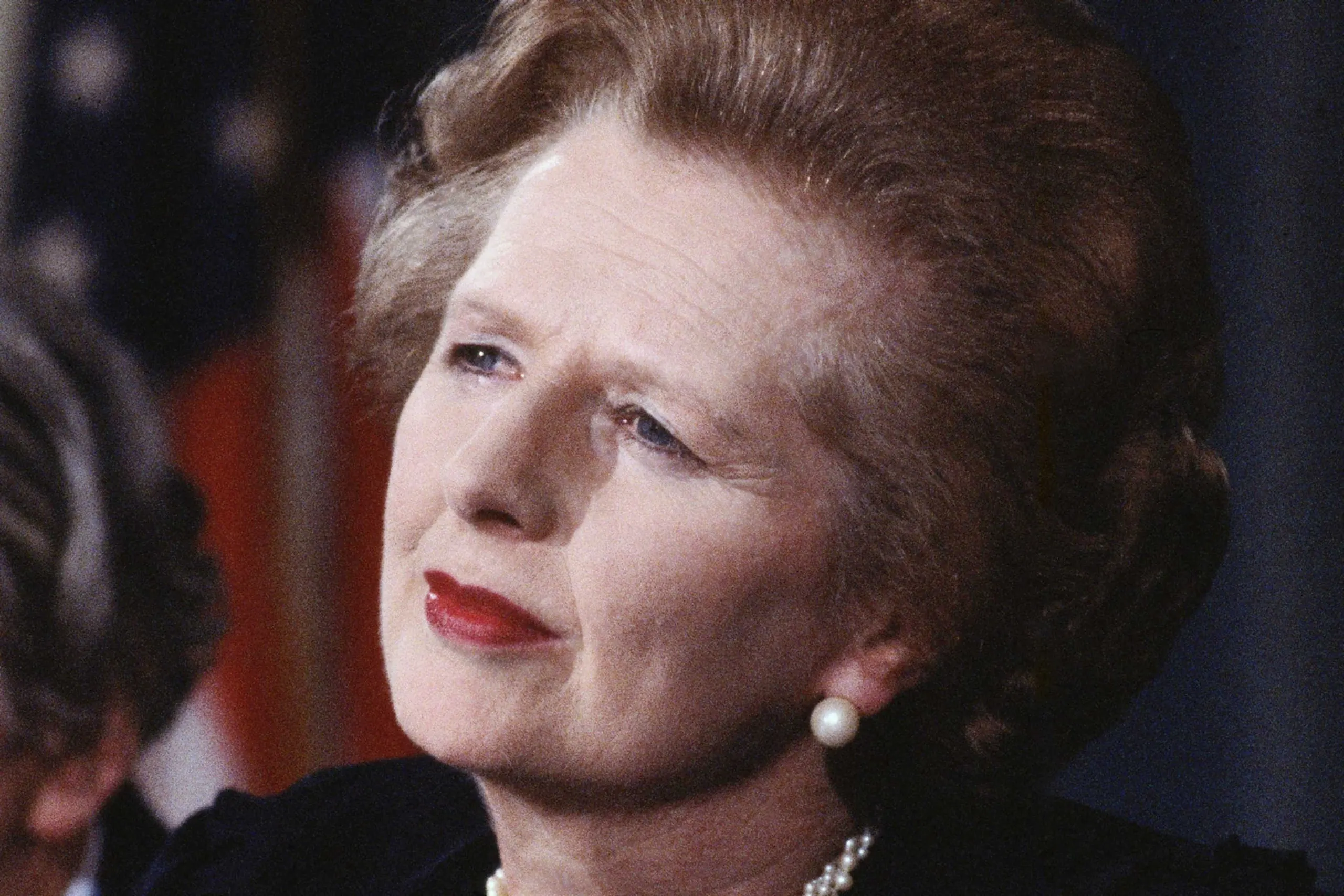
Isabel Perón
 Spain
SpainAlso known as: María Estela Martínez de Perón, Isabel Martinez de Peron, Isabelita
Birthday
February 4, 1931
Birth Sign
Aquarius
Birthplace
La Rioja, Argentina
Age
95 years old
Height
5 ft 4 in (163 cm)
About
Isabel Perón, born María Estela Martínez Cartas on February 4, 1931, in La Rioja, Argentina, is a former cabaret dancer who became the first woman to serve as president of a country and the first female head of state in the Western Hemisphere. As of 2026, she remains alive at age 95, residing in exile in Madrid, Spain. Her life trajectory shifted dramatically from the nightlife of Buenos Aires to the highest office in Argentina following her marriage to Juan Perón, culminating in a presidency marked by extreme political violence, economic collapse, and eventual military deposition.
Her ascent began not in the halls of government but on the stages of nightclubs where she performed under the name "Lali." After meeting Juan Perón during his exile in Panama in 1961, she married him that same year, becoming his third wife. When Perón returned to Argentina and won the presidency in 1973, Isabel was elected Vice President. Upon his death in July 1974, she automatically succeeded him, assuming a role that would define her legacy as both a historic pioneer and a controversial figure linked to the onset of the Dirty War.
Early Life & Background
María Estela Martínez Cartas entered the world on February 4, 1931, in the province of La Rioja, Argentina, into a working-class family. Her father worked as a railway employee while her mother managed the household. Financial constraints meant her formal schooling ended before she could graduate high school, leaving her with an education cut short by economic necessity. Driven by a desire for artistic expression and a need to escape her humble surroundings, she moved to Buenos Aires in the late 1940s or early 1950s.
In the capital, she found work in the vibrant but often gritty cabaret scene. She adopted the stage names "Lali" and later "Isabel," performing as a singer and dancer in theaters and nightclubs. While she gained minor local fame within these circles, she struggled to achieve national stardom. It was during this period of her life, navigating the social dynamics of Buenos Aires' entertainment district, that she encountered influential figures within the Peronist movement. However, her primary focus remained performance until fate intervened with a trip to Panama.
Career Growth
The turning point for Isabel came in 1961 when she traveled to Panama to meet Juan Perón, who was living in exile there. They married that year, instantly catapulting her from a nightclub performer into the center of Argentine politics. This union brought her into the inner circle of the Peronist movement, transforming her public identity completely. In 1973, after years of exile, Perón returned to Argentina and won the presidential election. Isabel accompanied him and was elected Vice President, serving as First Lady and Vice President from October 1973 until July 1974.
Her tenure as President began abruptly on July 1, 1974, when Juan Perón died in office at age 78. At just 43 years old, Isabel succeeded him, becoming the youngest Latin American head of state at the time and the first woman to hold the office in the Americas. Her administration faced severe internal conflict between left-wing Peronist factions like the Montoneros and right-wing groups including the Triple A death squad. The economy suffered from hyperinflation, and labor strikes paralyzed the nation. On March 24, 1976, a military coup led by General Jorge Videla overthrew her government. She was arrested and held under house arrest for five years before being exiled to Spain in 1981. Despite facing legal warrants for human rights abuses in 2007, Spanish courts refused extradition, allowing her to remain in Madrid.
Career Timeline
Public Image & Style
Isabel Perón is viewed with deep polarization across Argentina and Latin America. To supporters, she is a loyal defender of Peronism and a victim of a US-backed coup. To critics, she is a symbol of chaos, corruption, and the brutal violence of the Triple A. Her public image is one of tragedy and controversy rather than admiration. During her presidency, she was often depicted in media as lacking real power, overshadowed by her husband's legacy and described as being under the influence of advisors. Her elegant style during her time in office, reflecting her background as a performer, contrasted sharply with the political turmoil of the era.
Fame & Fandom
Isabel Perón never cultivated a fanbase in the traditional sense. Unlike pop stars who command billboards and streaming numbers, her legacy is defined by political polarization rather than adoration. While some sectors of the Peronist movement maintain a nostalgic view of her administration, this constitutes political adherence rather than organized fandom. There are no documented instances of fans interacting with her personally, nor any fan-funded projects associated with her life. Her story is one of historical significance and controversy, marked by her tenure as the first female head of state in the Western Hemisphere and the dark shadow of the Triple A death squad. The cultural mythology surrounding her centers on the narrative of her lack of power, often overshadowed by advisors known as "Her Brujo," and her eventual legal persecution decades after leaving office. She remains a figure of division, remembered for the instability of her rule and the military coup that ended it, rather than through rituals or campaigns. The iFANN Global Fame Engine has evaluated this person, but they do not currently hold a placement in the published rankings (Global Top 1,000 or a Top-100 scope list).
Interesting Facts and Legends
Before entering politics, Isabel performed under the stage name "Lali" in Buenos Aires nightclubs. A persistent legend surrounds her presidency, claiming she was heavily influenced by advisors nicknamed "Her Brujo" (The Wizard), particularly José López Rega, who created the Triple A death squad. Another sensational story popularized in recent theatrical works claims she hung Eva Perón's corpse in her dining room; while this is a plot point in modern fiction rather than verified history, it has become part of her cultural mythology. At 43, she was the youngest Latin American head of state at the time of her inauguration. Recent news in 2026 highlights a mega musical titled Evita Too that dramatizes her controversial legacy, including the sensationalized claims about Eva Perón's corpse.
Notable Quotes
“I am the successor of my husband, and I will defend his legacy.”
“They want to kill me, but they cannot.”
Family & Personal Life
Isabel Perón did not have any biological children with Juan Perón or any other partner. Some sources suggest she may have had stepchildren through Juan's previous marriages to Eva Perón and Aurelia Tizón, but she never bore offspring of her own. Her father was a railway worker and her mother a housewife, and she grew up in a working-class environment in La Rioja. In her later years, she lived in relative isolation in Madrid, Spain, surrounded by few close associates. She has not held significant political office since her return to democracy discussions in 1983, though she occasionally issued statements through lawyers regarding her legal battles.
Notable Connections
Relationships & Dating History
Isabel Perón's romantic history is defined almost exclusively by her single, lifelong marriage to Juan Perón. There are no credible records of prior romantic relationships, engagements, or post-marital partnerships. In 1961, while Juan Perón was in exile in Panama, Martínez traveled there and married him. This union catapulted her into the center of Argentine politics. They had no biological children together. Juan Perón died in office on July 1, 1974, leaving Isabel as the sole heir to his political legacy. Since his death, she has lived in solitary exile in Madrid for decades. As of 2026, Isabel Perón is widowed, with no reports of any romantic partners since the death of Juan Perón in 1974.
- MarriedJuan Perón1961 - 1974Met in Panama during his exile; married 1961; he died in office 1974.
Salary, Net Worth In 2026
$2 Million
iFANN Editorial Team estimate
Estimating the net worth of a former head of state living in exile with limited public assets is challenging. Most celebrity net worth sites do not list a specific figure for Isabel Perón, as she is not a commercial celebrity. Research by the iFANN Editorial Team puts her fortune at around $2 Million. Her income likely stems from a presidential pension from the Argentine government, which may be suspended or reduced due to her legal status, and potential real estate holdings in Madrid. Significant portions of any remaining funds have likely been consumed by decades of legal battles and defense fees against human rights charges.
Awards & Accolades
View 3 records, honours and achievementsKnown For
President of Argentina
1974 · First female president
Keywords
Sources
Quick Facts
- Profession
- politician, dancer
- Born
- February 4, 1931
- Birthplace
- La Rioja, Argentina
- Gender
- Female
- Spouse
- Juan Perón
- Birth Sign
- Aquarius
Personal Details
- Full Name
- María Estela Martínez Cartas
- Height
- 5 ft 4 in (163 cm)
- Spouse
- Juan Perón
- Children
- Education
- Secondary education incomplete
Frequently Asked Questions
Is Isabel Perón still alive?
Who was Isabel Perón's husband?
Why was Isabel Perón removed from power?
Did Isabel Perón have children?
What is Isabel Perón's legacy?
Similar People

Join the community
fans discussing