 Iraq
IraqAbout
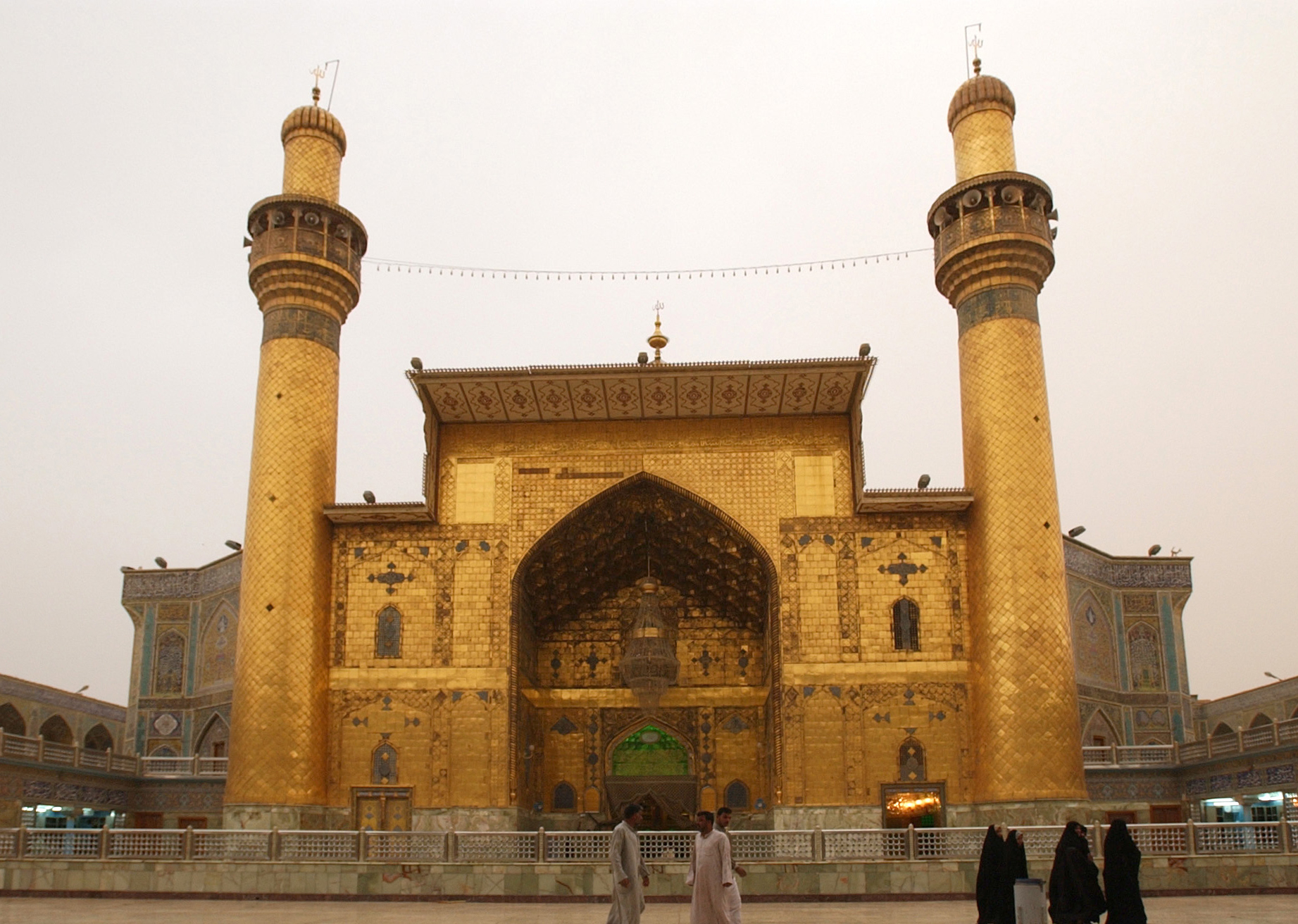
The Imam Ali Shrine, also known as the Mosque of Ali, stands in the heart of Najaf, Iraq, as one of the most sacred sites in Shia Islam. It is the final resting place of Ali ibn Abi Talib, the cousin and son-in-law of the Prophet Muhammad, revered as the first Shia Imam and the fourth Sunni Rashidun Caliph. For centuries, pilgrims have flocked to this golden-domed sanctuary, making it a focal point of religious devotion and a symbol of Islamic history.
The shrine's architectural grandeur, with its gleaming minarets and intricate tilework, draws visitors from around the world. The site has witnessed centuries of history, from its origins in the Abbasid era to its modern-day role as a center of pilgrimage and scholarship. In recent years, the shrine has undergone extensive renovations, expanding its capacity to accommodate millions of visitors annually. Its importance cannot be overstated; for Shia Muslims, it is considered the holiest site after Mecca and Medina. The shrine's administration also runs charitable and educational initiatives, reinforcing its role as a spiritual and community hub in Iraq.
Adjacent to the shrine lies Wadi al-Salam, one of the largest cemeteries in the world, adding to the site's profound atmosphere. The shrine is open to all visitors, who often describe a deep sense of peace and spiritual connection upon entering. Its golden dome and detailed tilework make it a visually stunning destination, frequently cited as one of the most beautiful religious sites globally.
Mission
The Imam Ali Shrine serves as a paramount spiritual center for Shia Muslims worldwide. Its mission encompasses providing a sacred space for pilgrimage, devotion, and religious observance, honoring the legacy of Imam Ali. Beyond its spiritual functions, the shrine's administration, known as the Astan of Imam Ali, is dedicated to supporting pilgrim services, engaging in charitable activities, and fostering educational initiatives that promote Islamic scholarship and community welfare.
The Astan coordinates major religious events, such as the annual Arbaeen pilgrimage, when millions gather at the shrine before journeying to Karbala. It also oversees the maintenance and expansion of the shrine complex, ensuring it remains a welcoming and functional site for the faithful.
History
The history of the Imam Ali Shrine is deeply intertwined with the reverence for Ali ibn Abi Talib. The initial construction of a shrine over his tomb began in 977 CE, commissioned by the Buyid ruler 'Adud al-Dawla. This marked the formal establishment of the site as a place of worship and pilgrimage. Over the centuries, the shrine has undergone numerous expansions, renovations, and periods of destruction and rebuilding, reflecting the shifting political landscapes and the enduring devotion of Shia Muslims.
The shrine has been a witness to countless historical events, evolving from a modest burial site to a magnificent complex that draws millions of visitors each year. Its architectural styles have been influenced by various eras, showcasing a rich tapestry of Islamic art and design. Recent decades have seen significant efforts to modernize and expand the facilities to better serve the growing number of pilgrims, ensuring its continued role as a central spiritual hub.
Notable People
Ali ibn Abi Talib
First Imam · 601-661
Cousin and son-in-law of Prophet Muhammad, revered as the first Shia Imam and fourth Sunni Caliph. His tomb is housed within the shrine.
'Adud al-Dawla
Founder of the initial structure · 936-983
Initiated the construction of the shrine over the tomb of Ali ibn Abi Talib in 977 CE.
Milestones
977
Construction of the shrine begins, commissioned by 'Adud al-Dawla.
2026
In June, the shrine prepares for Ghadir Eid celebrations; in July, millions gather for Arbaeen; in August, the shrine is draped in black to mark the Prophet Muhammad's martyrdom anniversary.
Sources
Organization Info
- Founded
- +0977
- Headquarters
- Najaf
- Country
- Iraq
- Type
- Religious
- Significance
- Second holiest site in Shia Islam after Mecca and Medina
- Burial Place
- Ali ibn Abi Talib
- Architectural Features
- Golden dome, intricate tilework
- Administration
- Astan of Imam Ali
Join the community
fans discussing