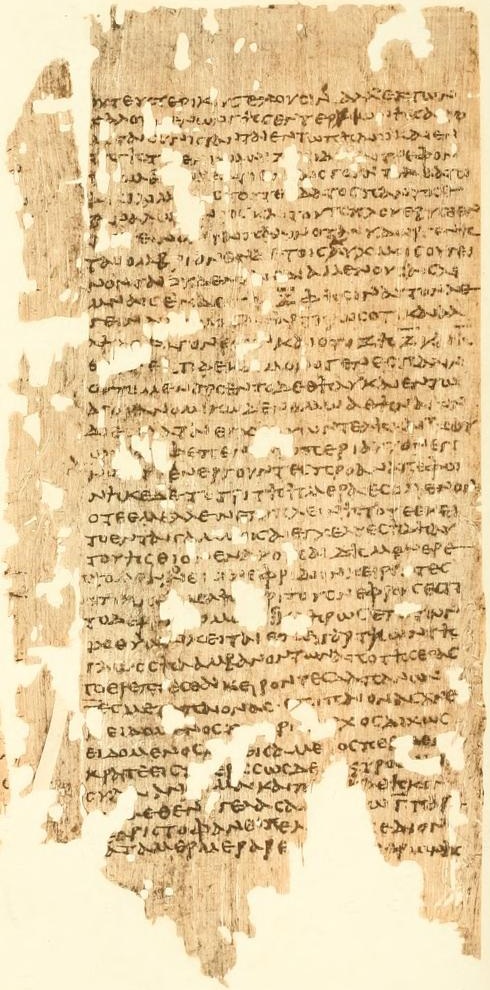
Overview
The narrative opens with a plague sent by Apollo to the Achaean camp, triggered when King Agamemnon refuses to return Chryseis, a priest's daughter. This incident sparks the central conflict: Achilles withdraws his forces after Agamemnon seizes Briseis, his own war prize. For weeks, the Greeks crumble under Trojan pressure until Patroclus wears Achilles' armor and falls at the hands of Hector. The death of this close friend shatters Achilles' grief-stricken apathy, driving him back into the fray to hunt down the man who killed his companion.
Once the fighting resumes, the gods intervene openly, with Zeus weighing fates on golden scales and Athena guiding spears. The story culminates in a brutal duel where Achilles kills Hector and drags the body behind his chariot for days. King Priam eventually sneaks into the Greek camp to beg for his son's return, leading to a moment of shared humanity as both men weep over their losses before Hector receives a proper burial.
Modern scholars continue to debate whether a single poet named Homer composed these verses or if they represent centuries of oral tradition codified during the Panathenaic festivals. The text blends Ionic and Aeolic dialects to create a unified voice for all Greek factions, reflecting its origins in a culture where rhythm and formulaic phrases were essential for memorization. While often assumed to cover the entire Trojan War or the wooden horse trick, the poem focuses intensely on a specific five-week period during the final year of the siege.
Keywords
Sources
Book Info
- Author
- Homer
- Language
- Homeric Greek
- Composition Date
- 8th century BCE
- Line Count
- Over 15,000 lines
- Structure
- 24 books
- Meter
- Dactylic hexameter
- Central Theme
- The wrath of Achilles
Join the community
fans discussing