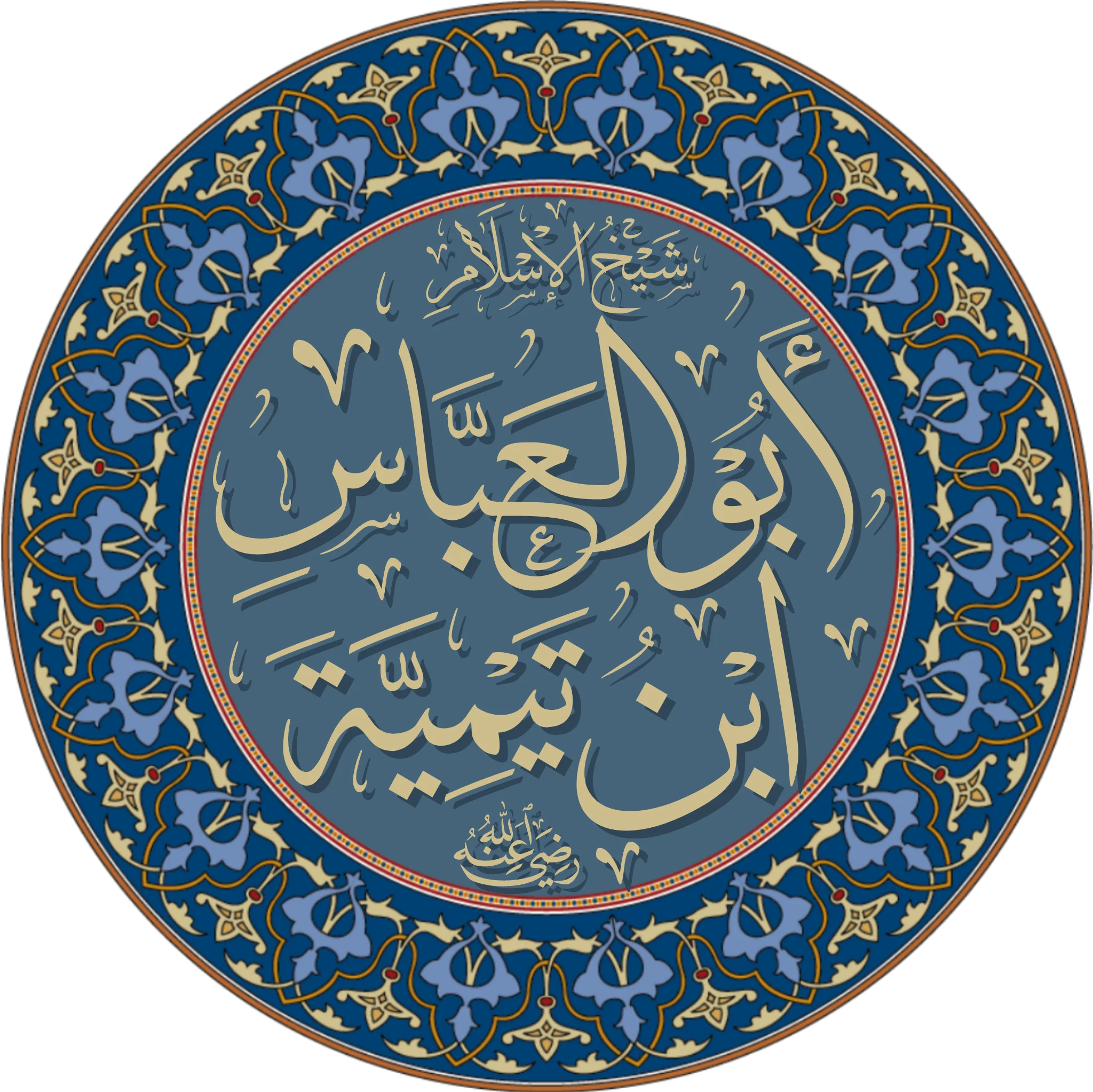
Ibn Taymiyyah
Islamic jurist•theologian•writer
Also known as: Taqī al-Dīn Aḥmad ibn ʿAbd al-Ḥalīm, Ibn Taymiyya, Sheikh-ul-Islam
Birthday
January 22, 1263
Birth Sign
Sagittarius
Birthplace
Harran
Age
Died at 65
About
Taqī al-Dīn Aḥmad ibn ʿAbd al-Ḥalīm ibn ʿAbd al-Sallām ibn Taymiyyah was a preeminent Sunni Islamic scholar, jurist, and theologian whose life and writings profoundly shaped the trajectory of Islamic thought from the medieval period to the modern era. Born on January 22, 1263, in Harran, Mesopotamia, he fled with his family to Damascus following the Mongol invasion that destroyed his hometown. He died in prison in Damascus on September 26, 1328, at the age of 65.
His career unfolded during a turbulent period marked by foreign invasions and internal religious strife. He argued that reason and revelation worked in harmony while rejecting philosophy as a necessary tool for understanding faith. His writings sparked intense controversy throughout the medieval Islamic world. Clerics accused him of anthropomorphism, leading to multiple imprisonments and the censorship of several treatises. He launched vigorous attacks against the Ash'arite and Maturidite schools of theology and condemned Sufi practices involving saint veneration and tomb visitation.
Early Life & Background
Ibn Taymiyyah was born into a scholarly family of Hanbali jurists. His grandfather, Shams al-Din Ibn Taymiyyah, and his father, Taqi al-Din Ibn Taymiyyah, were both respected teachers who instructed him in the principles of Islamic jurisprudence (*fiqh*) and theology (*kalam*) from an early age. The family settled in Damascus when Ibn Taymiyyah was young, where he spent the remainder of his life. He began studying under his father and later attended the major madrasas of Damascus, including the Umayyad Mosque's educational circles.
By the age of 14, he had memorized the Quran and begun composing poetry and legal treatises. His education was characterized by an intense focus on the *Salaf* (the first three generations of Muslims) and a rigorous adherence to the literal texts of the Quran and Sunnah, rejecting the rationalist methodologies dominant in his time. This formative period established the foundation for his later role as a *Mujtahid* (independent jurist) and his relentless advocacy for what he viewed as the purest form of Islam.
Career Growth
Ibn Taymiyyah's career was defined by his role as a *Mujtahid* and his relentless advocacy for direct derivation of rulings from primary sources. Unlike many contemporaries who followed established schools of law without question, he argued for this independence. His intellectual breakthrough occurred in his twenties when he began publicly challenging the prevailing Ash'arite theological school and the philosophical traditions influenced by Greek thought.
A pivotal moment in his career was his engagement with the Mongol Ilkhanate. Initially viewing the Mongols as infidels due to their non-Islamic laws, he later shifted his stance after Ghazan Khan converted to Islam. In 1299, Ibn Taymiyyah personally participated in the Battle of Marj al-Saffar, fighting against the remaining Mongol forces to defend the Levant. Throughout his life, he authored hundreds of works, though only a fraction survive today. His most significant project was Minhaj al-Sunna al-Nabawiyya fi Naqd Kalam Ash-Shi'a wa al-Qadariyya, a massive multi-volume polemic against Shia doctrines and Mu'tazilite philosophy.
Throughout his life, he authored hundreds of works, though only a fraction survive today. His most significant project was Minhaj al-Sunna al-Nabawiyya fi Naqd Kalam Ash-Shi'a wa al-Qadariyya, a massive multi-volume polemic against Shia doctrines and Mu'tazilite philosophy. He also wrote extensively on Sufism, distinguishing between orthodox mysticism and what he deemed heretical innovations like saint veneration and tomb visitation.
Career Timeline
Public Image & Style
Historical accounts describe Ibn Taymiyyah as having a dignified presence and a strong constitution despite his frequent imprisonments. He is generally portrayed as a strict ascetic who prioritized his scholarship over worldly pursuits. His public persona was defined by uncompromising views that led to multiple arrests. He was known for his sharp tongue and willingness to challenge authority, whether it be the state or the religious elite. His legacy is often polarized; mainstream Sunni scholars distinguish between his original teachings and the selective interpretations used by extremists, while others view him as a beacon of orthodoxy.
Fame & Fandom (iFAMOUS Rankings)
iFANN has not yet collected fame data for this person. While he does not appear on modern global fame rankings, his influence remains immense within specific religious communities. He commands a vast following among Salafi and conservative Sunni groups worldwide. These followers, often referred to as 'Salafis' or 'Hanbalis,' engage in academic study of his works, distribute his books, and organize lectures on his teachings. There are no fan campaigns, billboards, or social media trends in the style of modern celebrities; rather, his 'fanbase' consists of religious scholars, students, and activists who view him as a spiritual authority. Recent news items highlight ongoing debates about his influence, such as analyses deconstructing his views on suicidal missions in 2023 and reviews exploring why jihadist groups continue to cite him so frequently in 2022.
Interesting Facts and Legends
Before becoming a renowned jurist, Ibn Taymiyyah was a skilled poet, composing verses in Arabic that reflected his deep devotion and legal reasoning. He is one of the few Islamic scholars known to have fought on the battlefield, participating in the defense of Damascus against the Mongols. Many of his works were burned or banned during his lifetime, yet they survived through secret copies and memorization. Despite his later reputation as an anti-Sufi iconoclast, he was originally affiliated with the Qadiriyya Sufi order and praised many Sufi masters, showing a complex relationship with mystical traditions. A story often retold by students involves his ability to recite vast amounts of hadith literature from memory, which he used to refute opponents in public debates.
Notable Quotes
“What really counts are good endings, not flawed beginnings.”
“The best of people are those who are most beneficial to others.”
“Knowledge is not just knowing; it is acting upon what you know.”
Family & Personal Life
He was born into a family deeply entrenched in Islamic scholarship. His grandfather, Shams al-Din Ibn Taymiyyah, and his father, Taqi al-Din Ibn Taymiyyah, were both respected teachers and scholars who instructed him in the principles of Islamic jurisprudence and theology from an early age. The family settled in Damascus when Ibn Taymiyyah was young, where he spent the remainder of his life. Historical records confirm he was married and had children, though specific details about his wives' names and the chronology of his marriages are sparse compared to modern celebrity profiles. He remained married until his death, with no evidence of separation or divorce.
Notable Connections
Shams al-Din Ibn Taymiyyah (Grandfather), Taqi al-Din Ibn Taymiyyah (Father), Ghazan Khan, Al-Dhahabi
Relationships & Dating History
As a medieval Islamic scholar, Ibn Taymiyyah did not have a dating history in the modern sense. He was married, and historical records indicate he had children, though specific details about his wives' names and the chronology of his marriages are sparse compared to modern celebrity profiles. He is known to have been a strict ascetic who prioritized his scholarship over worldly pursuits. There are no public romantic relationships, engagements, or divorces documented in the manner of contemporary figures; his life was dedicated to religious study and teaching. He remained married until his death, with no evidence of separation or divorce.
Death & Aftermath
Died
September 26, 1328 (aged 65)
Death Place
Damascus, Syria
Cause of Death
Illness following imprisonment abuse
Taqī al-Dīn Aḥmad ibn ʿAbd al-Ḥalīm ibn Taymiyyah spent his final years confined within the Damascus Citadel, a prison cell where he had been incarcerated since 1326. During this period of severe restriction, he remained intellectually active, issuing religious rulings from his cell until shortly before his passing, though physical abuse and harsh conditions left him too weak to stand or move freely. He died on September 26, 1328, at the age of sixty-five, with historical accounts attributing his death to illness resulting from the cumulative effects of starvation, beatings, and unsanitary dungeon conditions rather than a specific natural pathology. The public reaction was immediate and profound, with contemporary historians recording that crowds gathered in Damascus to mourn him, leading to a massive funeral procession attended by tens of thousands of people. He was buried in the Safarid Cemetery near the Umayyad Mosque area, a location later commemorated by the Ibn Taymiyyah Mosque built over his grave.
Net Worth (Estate Value)
$0
iFANN Editorial Team estimate
As a medieval scholar who lived in poverty and died in prison, Ibn Taymiyyah had no personal net worth. His estate consisted of his manuscripts and religious texts. Today, the value of his legacy is measured in the continued publication and distribution of his works. Various publishers and organizations earn revenue from printing and selling his books, but there is no centralized estate management or royalty system akin to modern celebrities. The economic value of his intellectual property is distributed among publishers and scholars who translate and disseminate his writings. Research by the iFANN Editorial Team confirms that while no financial assets exist in the traditional sense, the cultural capital of his work remains unparalleled in Islamic history.
Awards & Accolades
View 5 records, honours and achievementsKnown For
Minhaj al-Sunna al-Nabawiyya fi Naqd Kalam Ash-Shi'a wa al-Qadariyya
1300s · Author
Dar' Ta'arud al-Aql wa al-Naql
1300s · Author
Battle of Marj al-Saffar
1299 · Combatant
Keywords
Sources
Quick Facts
- Profession
- Islamic jurist, poet, writer
- Born
- January 22, 1263
- Birthplace
- Harran
- Died
- September 26, 1328
- Death Place
- Damascus
- Gender
- Male
- Birth Sign
- Sagittarius
Personal Details
- Full Name
- Taqī al-Dīn Aḥmad ibn ʿAbd al-Ḥalīm ibn ʿAbd al-Sallām ibn Taymiyyah al-Ḥarrānī
- Children
- Multiple children (names not widely recorded)
- Education
- Studied under his father and grandfather in Damascus; memorized the Quran by age 14
Frequently Asked Questions
Who was Ibn Taymiyyah?
When did Ibn Taymiyyah die?
Why is Ibn Taymiyyah controversial?
Is Ibn Taymiyyah still relevant today?
Did Ibn Taymiyyah have children?
Similar People
Join the community
fans discussing