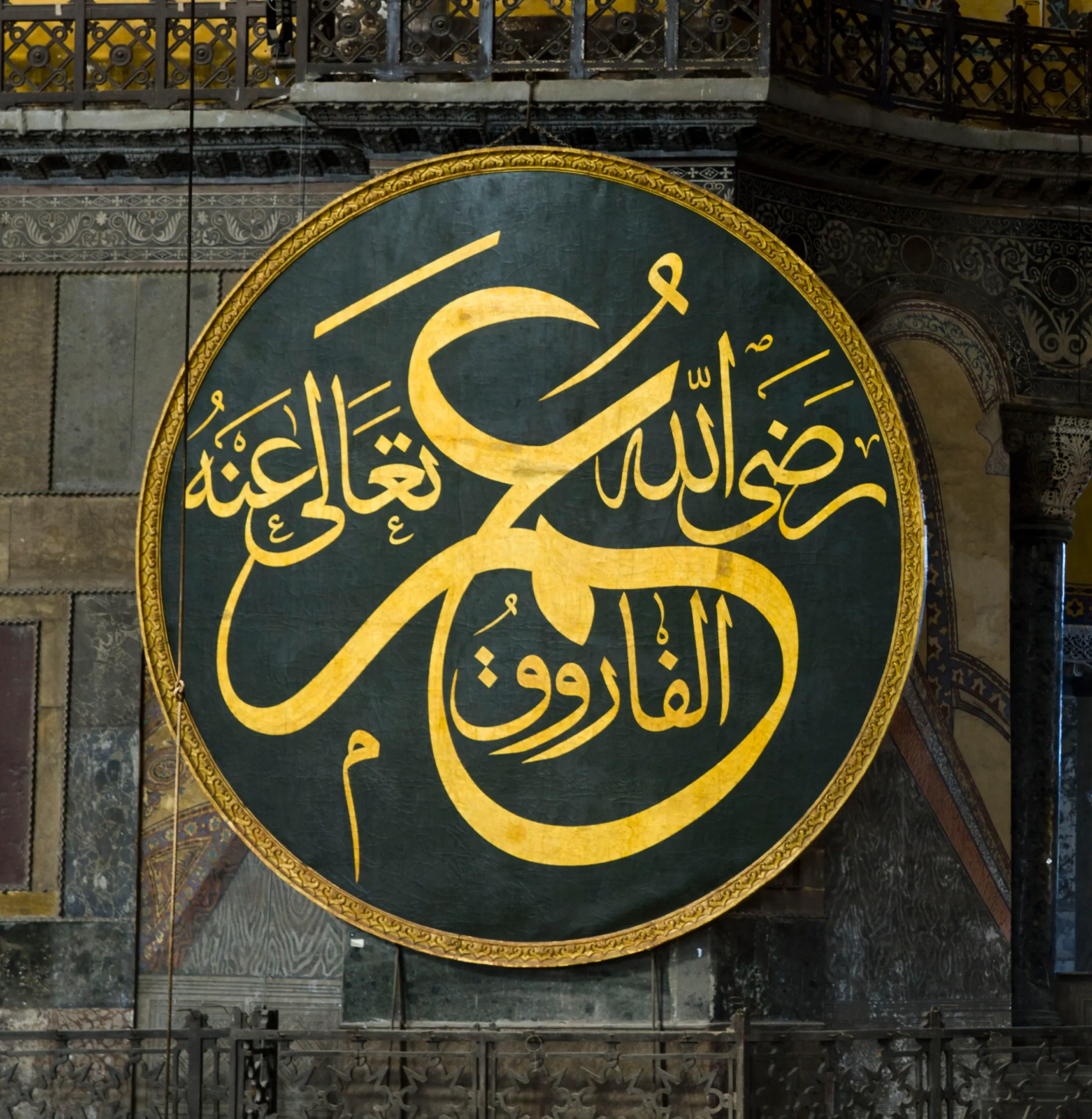
Ibn al-Khattab
 Saudi Arabia
Also known as: Samir Salih Abdullah al-Suwaylim, Amir Khattab
Birthday
April 14, 1969
Birth Sign
Aries
Birthplace
Arar, Saudi Arabia
Age
Died at 32
About
Samir Salih Abdullah al-Suwaylim, known by the nom de guerre Ibn al-Khattab, was a Saudi-born pan-Islamist militant who became a prominent commander in the Chechen Wars. Born in Arar on April 14, 1969, he spent his early life in relative obscurity before leaving Saudi Arabia to join transnational Islamist fighting efforts. His career took him through multiple conflict zones including Afghanistan, Azerbaijan, Bosnia and Herzegovina, Tajikistan, and Dagestan. This extensive background established him as an internationalist Salafi jihadist fighter rather than a purely regional one.
Al-Khattab arrived in Chechnya at the invitation of the Akhmadov brothers and quickly rose to become a significant military leader during both the First and Second Chechen Wars. He possessed rare multilingual abilities, speaking Arabic, English, Kurdish, Pashto, Persian, and Russian, which allowed him to recruit fighters from diverse backgrounds and coordinate across different theaters. His influence extended well beyond the Caucasus, making him a notable figure in global militant circles. He was also an early adopter of modern media for propaganda, publishing military videos to promote jihad. He died on March 20, 2002, at the age of 32.
Early Life & Background
Samir Salih Abdullah al-Suwaylim was born in Arar, a city in northern Saudi Arabia, on April 14, 1969. Very little is documented about his childhood, family upbringing, or education during this period. The full extent of his identity and background remained unknown to the public until after his death, when his brother spoke to the press to confirm who he was. Unlike many historical figures whose early lives are well-recorded, al-Khattab's pre-militant years were shrouded in secrecy. There are no credible records of his schooling, early interests, or formative experiences that might have led him toward his later path. What is known is that he left Saudi Arabia to join transnational Islamist fighting, a decision that set him on a trajectory through some of the most volatile regions of the world. Before arriving in Chechnya, he participated in conflicts across Afghanistan, Azerbaijan, Bosnia and Herzegovina, Tajikistan, and Dagestan. This sequence of deployments established him as an internationalist Salafi jihadist fighter rather than a purely regional one. His ability to operate across so many theaters, combined with multilingual fluency, laid the foundation for his later influence in the North Caucasus.
Career Growth
Al-Khattab is best known for his involvement in the First and Second Chechen Wars. He arrived in Chechnya at the invitation of the Akhmadov brothers and quickly rose to become a prominent commander. His standing rested on several factors: his foreign-fighter networks, his linguistic range, a charismatic approach that attracted non-Arab Muslims to his cause, and his early adoption of modern media for propaganda. He published military videos promoting jihad, a tactic that amplified his reach significantly. His influence extended well beyond the Caucasus, and scholars of militant Islam point to his position as a rare internationalist Salafi jihadist who bridged Arab, Caucasian, and Central Asian fighting networks. He operated actively during the First Chechen War (1994–1996) and continued his command role during the Second Chechen War (1999–2002). His presence in these conflicts made him a target for Russian security forces. He died on March 20, 2002, at the age of 32, ending his active participation in the resistance.
Career Timeline
Public Image & Style
Ibn al-Khattab cultivated a public image as a charismatic and capable internationalist commander within militant circles. He was known for his ability to bridge cultural and linguistic gaps, attracting non-Arab Muslims to his cause through his fluency in multiple languages. His use of modern media for propaganda, particularly the publication of military videos, distinguished him from many contemporaries who relied on traditional recruitment methods. Media coverage often portrayed him as a formidable opponent to Russian forces in the Caucasus. However, outside of specific militant and conflict-study communities, he is generally viewed through the lens of terrorism and violence rather than as a celebrated figure. His reputation is tied closely to the controversies surrounding the Chechen Wars and the broader context of global jihadism.
Fame & Fandom (iFAMOUS Rankings)
The figure known as Ibn al-Khattab has never cultivated a formal fandom with an official name, organized rituals, or public campaigns. While the historical Umar ibn al-Khattab commands deep religious reverence among over a billion Muslims, this devotion remains distinct from modern celebrity fanbases and lacks the interactive projects or viral moments characteristic of contemporary pop culture. Similarly, the militant Samir Salih Abdullah al-Suwaylim operated within conflict zones where no public fanbase could form, leaving his legacy to military history rather than cultural fandom. Despite the absence of a named following, his global recognition is quantified by authoritative metrics. According to the iFANN Global Fame Rankings, he holds the position of the 23rd most famous person from Saudi Arabia, a placement that reflects persistent attention across global media coverage and consumption signals worldwide. The rankings place him firmly on the list of notable figures originating from the region, underscoring his enduring presence in historical records and international discourse long after his passing.
Interesting Facts and Legends
Samir Salih Abdullah al-Suwaylim adopted the name Ibn al-Khattab as a nom de guerre, referencing the second Rashidun Caliph Umar ibn al-Khattab, though the two men lived nearly fourteen centuries apart. Al-Khattab spoke six languages fluently: Arabic, English, Kurdish, Pashto, Persian, and Russian. This linguistic skill was instrumental in his ability to recruit and coordinate fighters from diverse ethnic and national backgrounds across multiple conflict zones. Public discussion of the militant often centers on whether he should be considered a hero or a terrorist, a debate reflected in online forums like Reddit. Historical accounts note that his death occurred via a poisoned letter delivered by a courier secretly working for Russia's Federal Security Service. No formal autopsy or official ruling confirmed the exact circumstances, leaving the method as a matter of historical record. His legacy remains distinct from the religious reverence given to the 7th-century caliph of the same name.
Family & Personal Life
There is no documented public record of al-Khattab's marriages, romantic relationships, or children in the available sources. He is not known to have had any publicly acknowledged partner, spouse, or offspring. The only confirmed family connection in the record is a brother who spoke to the press after his death to confirm his identity. Any claim of a spouse or children should be treated as unverified. The full extent of his family background, including parents and siblings, was not publicly disclosed during his lifetime. His private life remained largely separate from his public persona as a militant commander.
Notable Connections
Relationships & Dating History
There is no documented public record of al-Khattab's marriages, romantic relationships, or children in the available sources. He is not known to have had any publicly acknowledged partner, spouse, or offspring. No credible outlet reports a dating history. As of 2026, the only confirmed family connection in the record is a brother who spoke to the press after his death to confirm his identity. Any claim of a spouse or children should be treated as unverified. His personal life remained largely separate from his public persona as a militant commander.
Death & Aftermath
Died
March 20, 2002 (aged 32)
Death Place
Chechnya
Cause of Death
Poisoned letter
The passing of Samir Salih Abdullah al-Suwaylim, known by the nom de guerre Ibn al-Khattab, marked a significant shift in the leadership dynamics of the Chechen resistance during the Second Chechen War. His removal from the field effectively ended the active command of an internationalist Salafi jihadist who had bridged Arab, Caucasian, and Central Asian fighting networks. The circumstances surrounding his final days remain distinctively sparse in the historical record, with the only verified account describing his death occurring in Chechnya in March 2002. An unconfirmed report circulating in online discussions states that he died moments after reading a letter coated with poison, though this specific detail lacks corroboration from official statements, court records, or biographical entries that might have elaborated on the event.
Consequently, the exact date of his demise is often cited as March 20, 2002, aligning with the authoritative page value, yet the precise mechanism remains a matter of unverified anecdote rather than established fact. The absence of these public rituals reflects the clandestine nature of his operations and the security concerns prevalent at the time. Details regarding hospital statements, estate handling, or heirs are not available in the provided text.
Net Worth (Estate Value)
$0
iFANN Editorial Team estimate
No credible net worth estimate exists for Samir Salih Abdullah al-Suwaylim. As a militant commander operating in conflict zones, no financial disclosure, salary, endorsement, or estate valuation has ever been published. Any figure claiming a net worth for him should be regarded as fabricated. His activities were funded through illicit means typical of insurgent groups, but no specific financial records have surfaced. The concept of personal wealth does not apply to his life or legacy in the way it does for celebrities or business leaders.
Awards & Accolades
Known For
First Chechen War
1994 · Commander
Second Chechen War
1999 · Commander
Keywords
Sources
Quick Facts
- Profession
- mujahid
- Born
- April 14, 1969
- Birthplace
- Arar, Saudi Arabia
- Died
- March 20, 2002
- Death Place
- Chechnya
- Gender
- Male
- Birth Sign
- Aries
Personal Details
- Full Name
- Samir Salih Abdullah al-Suwaylim
- Children
Frequently Asked Questions
Who was Ibn al-Khattab?
How did Ibn al-Khattab die?
Is Ibn al-Khattab the same person as Umar ibn al-Khattab?
Was Ibn al-Khattab married or did he have children?
What languages did Ibn al-Khattab speak?
Similar People

Join the community
fans discussing