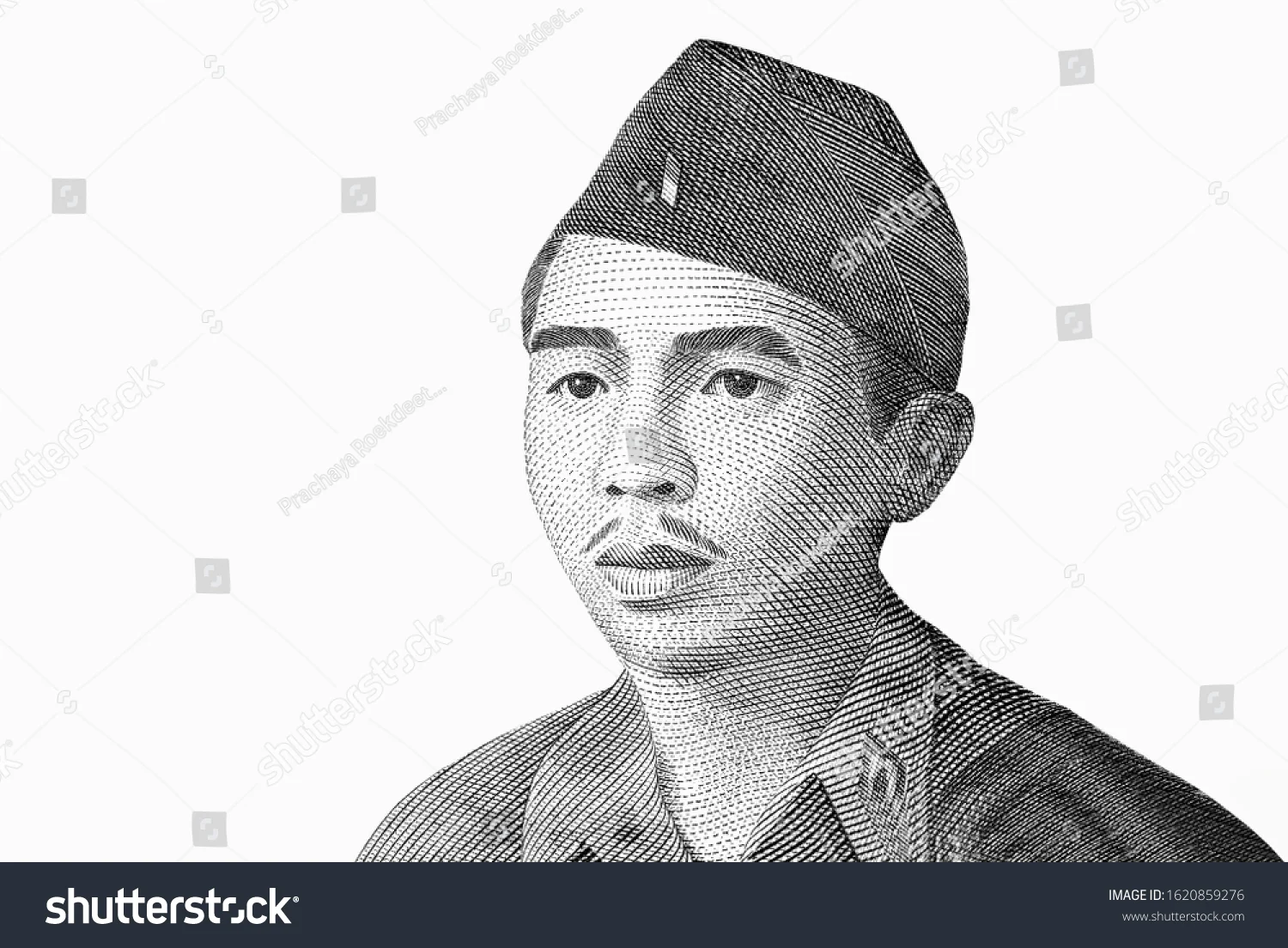
I Gusti Ngurah Rai
 Indonesia
military personnel•resistance fighter
Birthday
January 30, 1917
Birth Sign
Sagittarius
Birthplace
Badung, Bali
Age
Died at 29
About
I Gusti Ngurah Rai was a Balinese military officer and resistance fighter who led the anti-Dutch struggle in Bali during the Indonesian National Revolution. Born on January 30, 1917, in Badung, he founded and commanded the Indonesian National Armed Forces unit for the Lesser Sunda Islands. His most famous act came in November 1946, when he and his troops launched a final assault against Dutch forces near the village of Marga, an engagement that ended in his death on November 20.
Posthumously declared a National Hero of Indonesia, Rai was promoted from lieutenant colonel to brigadier general and awarded the Star of Mahaputera, one of the country's highest military honors. Today, his legacy is everywhere in Bali: Denpasar's international airport, the island's largest university, its biggest stadium, and a Navy ship all carry his name, as do streets across the archipelago.
Early Life & Background
Born into a ksatria (warrior) caste family in Badung on January 30, 1917, I Gusti Ngurah Rai grew up in a Bali under Dutch colonial rule. His mother, Ni Gusti Ayu Kompyang, raised him in a household that valued tradition and duty. He attended a Dutch elementary school, which gave him a foot in the colonial system, but his path took a military turn when he received Dutch military training in Java and Bali during the early 1930s.
After completing his training, he returned home and served as a second lieutenant in the Dutch-sponsored military forces. This role put him in a complicated position: he was a Balinese man in a colonial army. But when Indonesia declared independence on August 17, 1945, Rai made a decisive break. He shifted his allegiance to the republic and began organizing resistance, eventually forming the first Indonesian National Armed Forces unit for the Lesser Sunda Islands. Those early months of 1945 and 1946 were spent building a guerrilla network, coordinating with other nationalist leaders, and preparing for the fight that would define his life.
Career Growth
Rai's breakthrough came with the Indonesian declaration of independence in 1945, when he turned from a colonial officer into a revolutionary leader. He organized and led the People's Security Army for the Lesser Sunda Islands, coordinating guerrilla operations against the Dutch across Bali. His leadership was marked by strategic raids and a commitment to total resistance.
The defining moment arrived on November 20, 1946, at the Battle of Margarana. Facing overwhelming Dutch forces, Rai and his troops chose a puputan, a Balinese tradition of fighting to the death. Rai fell in battle, along with most of his command, at the age of 29. His sacrifice became a rallying point for the independence movement. In 1975, he was posthumously declared a National Hero of Indonesia, and he was later promoted to brigadier general and awarded the Star of Mahaputera. His name now adorns the international airport in Denpasar, the island's largest university, its main stadium, and a Navy ship, ensuring his memory endures.
Career Timeline
Public Image & Style
I Gusti Ngurah Rai is remembered as a symbol of Balinese resistance and honor. His image is that of a fearless leader who chose death over surrender, embodying the puputan spirit. In Bali, he is not just a historical figure but a cultural icon, with his name on landmarks from the airport to the university. Statues and portraits depict him in military uniform, a stern and determined expression. For Balinese people, he represents the ultimate sacrifice for their land and principles, and his legacy is a source of collective pride. The way he is honored in public spaces reflects a deep respect for his choice, which resonates with the island's values of courage and dignity.
Fame & Fandom
I Gusti Ngurah Rai commands a unique form of reverence that transcends the modern concept of celebrity fandom, as he is a historical figure rather than an entertainer with a dedicated following. There is no official fanbase name, organized campaigns, or social media rituals attached to his memory; instead, his presence is felt through the enduring cultural mythology of the puputan spirit and the ubiquitous use of his name in Balinese infrastructure. While he does not interact with fans or attend events, his legacy remains a cornerstone of Indonesian national identity, symbolizing the ultimate sacrifice for sovereignty.
Despite the absence of a pop-culture audience, his global standing among historical figures is substantial according to contemporary metrics. In the August 2026 cycle of the iFANN Global Fame Rankings, I Gusti Ngurah Rai is recognized as the 75th most famous person from Indonesia. This placement reflects his steady prominence in regional history and maintains his position from the previous evaluation period. The ranking underscores his status not merely as a local hero but as a globally significant figure within the context of Indonesian leadership and military history.
The distinction between his historical weight and modern fandom is clear: where celebrities generate viral moments, Rai generates monuments and annual commemorations. His story is taught in schools and honored at sites like the monument in Kuta, serving as a pilgrimage destination for those seeking to understand the nation's struggle for independence. The airport bearing his name continues to serve millions of travelers, acting as a constant reminder of his life without the need for fan-driven promotion. His fame rests on verified historical fact rather than manufactured image, ensuring his place in the collective consciousness remains stable and dignified.
Interesting Facts and Legends
I Gusti Ngurah Rai's name is so intertwined with Bali that the island's international airport, Ngurah Rai International Airport, carries it. He was a member of the ksatria caste, a warrior class in Balinese Hindu tradition, which shaped his sense of honor and duty. The puputan he led at Margarana was not a unique event in Balinese history; similar mass suicide stands occurred against the Dutch in 1906 and 1908. Despite his military career, he was only a young man when he died, just 29. His mother, Ni Gusti Ayu Kompyang, is the only family member widely mentioned in historical records. The central legend surrounding him is the Battle of Puputan Margarana on November 20, 1946, in Marga, Tabanan, Bali, where he and nearly all his troops chose death over surrender to Dutch forces. This verified historical event serves as the foundational narrative of his legacy, emphasizing sacrifice over survival. A significant monument dedicated to him exists in Kuta, Badung Regency, Bali, serving as a site of pilgrimage for those wishing to learn about his life. Public engagement consists of historical commemoration rather than organized fan campaigns, as no formal or unofficial fandom name exists for this deceased military hero.
Family & Personal Life
Rai was born into a ksatria caste family in Badung, a background that instilled a warrior ethos. His mother, Ni Gusti Ayu Kompyang, is the most frequently cited family member in historical accounts. Little is documented about his father or siblings. He did not leave behind a wife or children, as his life was cut short at 29 during the Battle of Margarana. His family's legacy lives on through the honor bestowed upon him as a National Hero, and his story is taught to Balinese children as an example of courage and sacrifice.
Notable Connections
I Gusti Ngurah Rai is primarily associated with the Indonesian National Revolution and the Balinese resistance. He is linked to the Dutch colonial forces he once served, and to the Indonesian independence movement he later led. His mother, Ni Gusti Ayu Kompyang, is a notable family connection. The Battle of Margarana, his final stand, is a key event tied to his name, and his legacy is honored across Bali through various landmarks.
Relationships & Dating History
Death & Aftermath
Died
November 20, 1946 (aged 29)
Death Place
Margarana, Tabanan Regency, Bali
Cause of Death
Killed in action
The Republic of Indonesia established through official military reports and eyewitness accounts that Lieutenant Colonel I Gusti Ngurah Rai fell during the Battle of Margarana on November 20, 1946. The circumstances involved a final stand near the village of Marga in Tabanan Regency, where Rai and approximately 650 soldiers of the Bali Division engaged Dutch forces after two days of intense combat. Facing a demand for unconditional surrender which contradicted their warrior ethos, Rai ordered a puputan, a traditional ritual of total resistance, leading his remaining men in a charge that ended with his death by machine-gun fire alongside nearly his entire command staff. Historical consensus regarding the battle relies on surviving troop testimonies and official military records to confirm he was killed in action without recovery details being publicly detailed immediately following the conflict.
While specific tactical movements during the final charge remain subjects of minor dispute among historians, the fact of his death in combat is undisputed in both Indonesian and international records. Public reaction transformed him into a central symbol of the independence movement, with President Sukarno and other republican leaders hailing him as a martyr who embodied the spirit of freedom. Tributes poured in from across the archipelago, and immediate commemorations included the erection of memorials and the establishment of the date November 20 as an annual day of remembrance in Bali and Indonesia. A significant public memorial service was later held attended by high-ranking officials, while local sympathizers recovered the bodies of the fallen for burial near the battlefield.
Posthumous honors include his declaration as a National Hero of Indonesia and his promotion to brigadier general with the Star of Mahaputera award. His legacy endures through the naming of the I Gusti Ngurah Rai International Airport in Denpasar, the Ngurah Rai Museum in Tabanan, and various statues and murals across the island. The Yayasan I Gusti Ngurah Rai foundation was established to support youth development, and personal effects were managed by his widow Ni Made Kariati before integration into the national legacy.
Net Worth (Estate Value)
I Gusti Ngurah Rai passed away in 1946, long before the concept of celebrity net worth became common. As a military officer and resistance fighter, he did not accumulate personal wealth. His estate, if any, would be tied to his family, but there is no public record of its value. His true legacy is not financial but historical and cultural, as a national hero whose name graces airports, universities, and streets across Indonesia.
Awards Won (2)
I Gusti Ngurah Rai was posthumously awarded the Star of Mahaputera, one of Indonesia's highest military honors, and was declared a National Hero of Indonesia in 1975. These recognitions celebrate his leadership and sacrifice in the fight for independence.
Posthumous · Military honor
Leadership in the Indonesian National Revolution
1975 · National honor
Role in the independence struggle
Known For
Battle of Margarana
1946 · Leader of Balinese resistance
Indonesian National Revolution
1945-1946 · Military commander
Keywords
Sources
Quick Facts
- Profession
- military personnel, resistance fighter
- Born
- +1917-01-30
- Birthplace
- Badung
- Died
- +1946-11-20
- Death Place
- Marga
- Gender
- Male
- Birth Sign
- Sagittarius
Frequently Asked Questions
Who was I Gusti Ngurah Rai?
When and where was I Gusti Ngurah Rai born?
How did I Gusti Ngurah Rai die?
What is I Gusti Ngurah Rai's legacy?
What was the Battle of Margarana?
Join the community
fans discussing