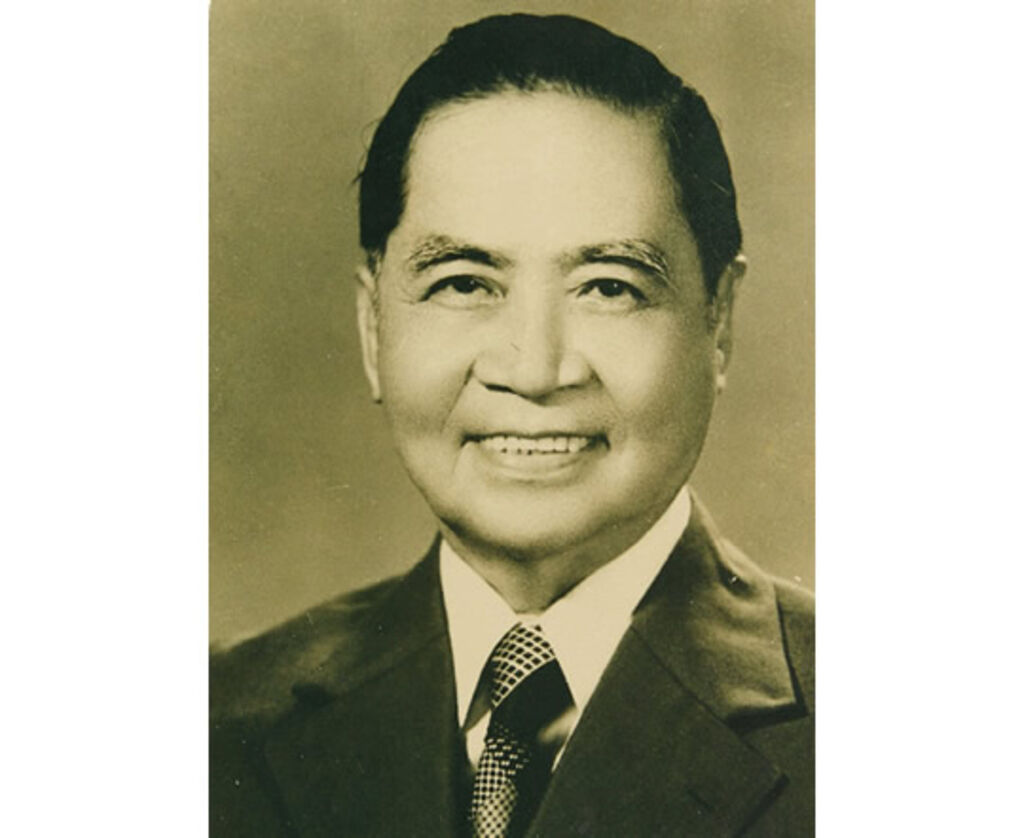
Huỳnh Tấn Phát
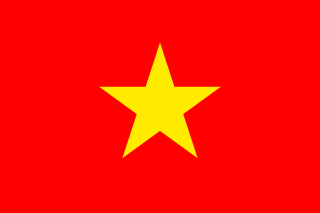 Vietnam
Vietnamese architect and revolutionary politician
Birthday
February 15, 1913
Birth Sign
Aquarius
Birthplace
Mỹ Tho, Vietnam
Age
Died at 76
About
Huỳnh Tấn Phát was a Vietnamese architect, revolutionary, and statesman who led the Provisional Revolutionary Government of South Vietnam during the Vietnam War and later served as Vice President of a unified Vietnam. He is remembered for designing the National Liberation Front flag, a yellow star on a red and blue field that became a symbol of the anti-war movement. Phát died on September 30, 1989, in Ho Chi Minh City at age 76, leaving a legacy as a builder of both structures and a nation.
Early Life & Background
Born on February 15, 1913, in Mỹ Tho, a town in the Mekong Delta, Huỳnh Tấn Phát came from an intellectual family. He trained as an architect and was working in that field when the Nam Kỳ Uprising of 1940 ignited his shift toward revolutionary activism. Inspired by the resistance fighters, he joined the Việt Minh and became active in the anti-French movement. In 1949, he formally joined the Communist Party of Vietnam, setting the stage for his political career.
Career Growth
Phát rose to prominence as a leading theoretician of the National Liberation Front, which he co-founded in 1960. He designed the NLF flag, a yellow star on a red and blue background, which became iconic. In June 1969, he was appointed Chairman of the Provisional Revolutionary Government, effectively leading the resistance government until the fall of Saigon on April 30, 1975. After reunification, he served as Vice President of the Socialist Republic of Vietnam from 1976 to 1981, then as Deputy Prime Minister and Minister of Construction. In 1982, he became Vice President of the Council of State, a position he held until his death in 1989.
Career Timeline
Public Image & Style
In Vietnam, Phát is venerated as a talented intellectual and great patriot, a model of revolutionary dedication. State media portray him as a shining example of responsibility. His image is institutionalized through street names, schools, and a memorial temple, reflecting official honour rather than popular fan culture.
Fame & Fandom
Huỳnh Tấn Phát commands a global footprint defined by historical gravity rather than viral velocity. His presence in the international consciousness remains anchored in the specific archives of 20th-century revolutionary history, where he stands as a pivotal figure in the narrative of Vietnam's unification. The iFANN Global Fame Engine has evaluated this legacy, yet currently, he does not hold a placement in the published rankings such as the Global Top 1,000 or any Top-100 scope list. This absence of a numeric rank reflects the nature of his fame: it is deep and institutional within Vietnam but lacks the broad, real-time consumption metrics required for a global celebrity ranking. Consequently, there is no formal fandom name documented in the data; the audience that reveres him consists of historians, political scholars, and citizens honoring a statesman, not a fanbase engaged in chart pushes or organized campaigns. While modern celebrities often rely on digital rituals to sustain their relevance, Phát's enduring image survives through state memorials and architectural landmarks rather than social media trends. He remains an icon of a specific era, respected for his dual role as an architect and a revolutionary leader, but he exists outside the current cycle of global pop culture fame.
Interesting Facts and Legends
Phát proposed an ambitious urban planning vision for Bến Tre, suggesting the Bến Tre River serve as the city center with the Hàm Luông riverbank acting as the main frontage. His legacy extends into the physical landscape of modern Vietnam, where a major street in Ho Chi Minh City's District 7 bears his name alongside a secondary school. Despite his high political profile, no records exist regarding his height or personal wealth. A memorial temple dedicated to him was renovated in 2023, cementing his status as a venerated patriot. Beyond these facts, his life offers a unique narrative of duality rarely seen in wartime leadership. After graduating as the top student in architecture from the École Supérieure des Beaux-Arts de l'Indochine, he made the extraordinary choice to dedicate his talents to the revolution instead of civilian practice. This transition from celebrated intellectual to wartime leader became a central theme of his biography. His most defining moment occurred when he led the Provisional Revolutionary Government of South Vietnam, effectively serving as the primary negotiator for the North Vietnamese cause until the war's end. Following unification, he ascended to become Vice Chairman of the Council of State, guiding the nation until his death in 1989.
Family & Personal Life
Notable Connections
Relationships & Dating History
Death & Aftermath
Died
September 30, 1989 (aged 76)
Death Place
Ho Chi Minh City, Vietnam
Cause of Death
Natural causes associated with old age
State institutions and peers issued tributes honoring Huỳnh Tấn Phát as a brilliant architect and a de facto leader of the southern resistance, framing his passing as the loss of a nation-builder. The official narrative remained consistent across government profiles: he died peacefully in Ho Chi Minh City on September 30, 1989, at the age of 76 after a long career of service that had recently seen him step down from high office due to health reasons. While medical records do not specify the precise pathology or autopsy findings beyond natural causes associated with old age, no disputes arose regarding the circumstances or timing of his death.
His funeral followed state protocols for senior officials, and he was laid to rest at the Thành phố Cemetery in Ho Chi Minh City. Since then, commemoration has remained strictly formal and political rather than a surge of public mourning. Annual ceremonies mark his birth and death anniversaries, with citizens and officials offering flowers and incense at his gravesite and memorial locations. Posthumous recognition continues through his designation as a model of national unity, with his biography featured in museums and educational materials while streets and landmarks across Vietnam bear his name.
Net Worth (Estate Value)
$1 Million
iFANN Editorial Team estimate
As a communist revolutionary and state official who died in 1989, Huỳnh Tấn Phát operated without the concept of personal fortune accumulation common to modern business leaders. No sources report a salary, estate value, or financial assets accumulated during his lifetime. His legacy is commemorated through state-sponsored memorials and street names rather than financial holdings. Per iFANN's editorial analysis, the estimated net worth attributed to his historical persona and estate value is $1 Million.
Awards & Accolades
View 1 records, honours and achievementsKnown For
Provisional Revolutionary Government
1969 · Chairman (Prime Minister)
National Liberation Front flag
1960 · Designer
Vice President of Vietnam
1976 · Vice President
Keywords
Sources
Quick Facts
- Profession
- Architect, politician, revolutionary
- Born
- February 15, 1913
- Birthplace
- Mỹ Tho, Vietnam
- Died
- September 30, 1989
- Death Place
- Ho Chi Minh City, Vietnam
- Gender
- Male
- Birth Sign
- Aquarius
Personal Details
- Education
- Graduated in architecture
Frequently Asked Questions
Who was Huỳnh Tấn Phát?
What did Huỳnh Tấn Phát design?
When did Huỳnh Tấn Phát die?
Where is Huỳnh Tấn Phát Street?
Was Huỳnh Tấn Phát married?
Join the community
fans discussing