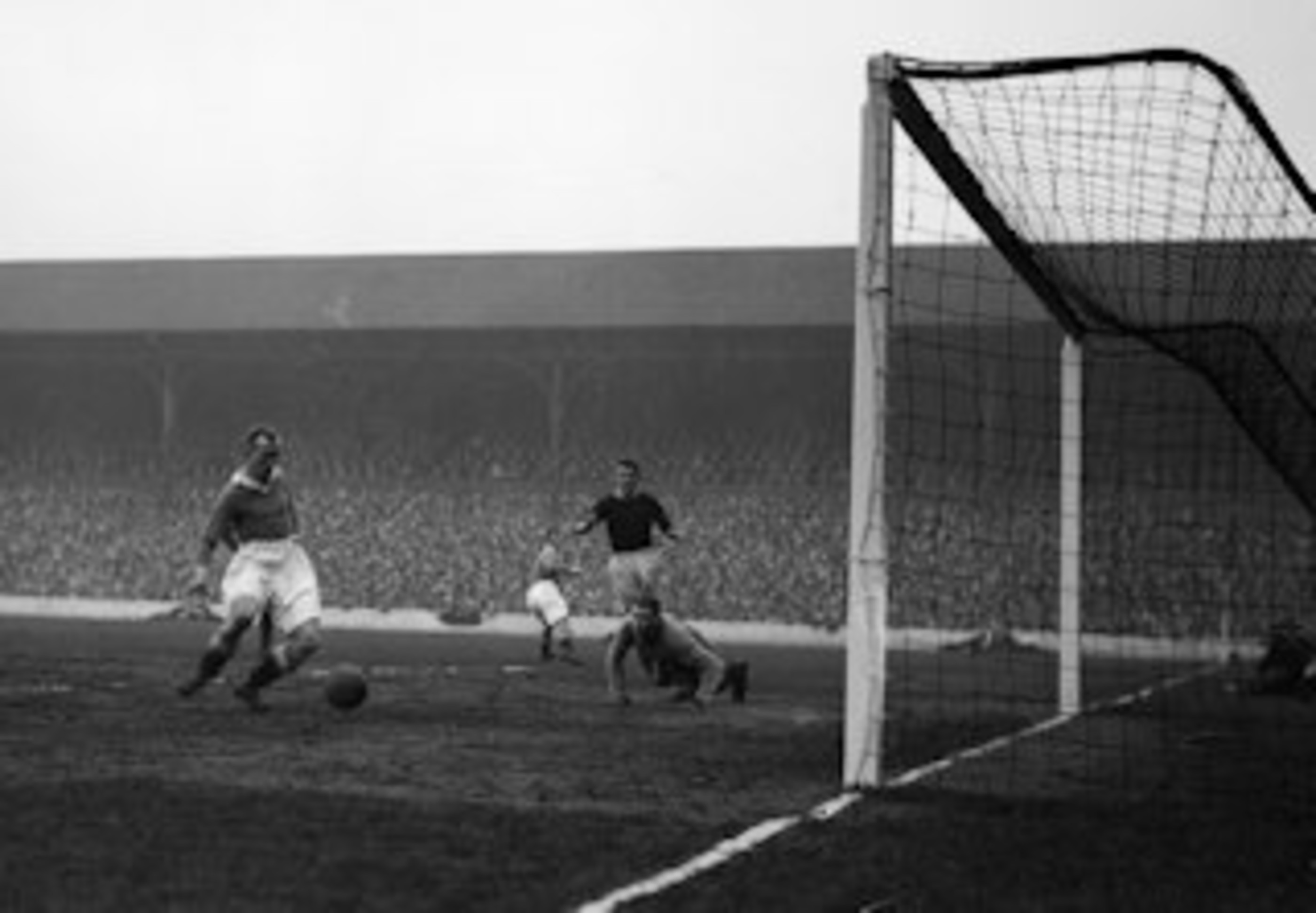
Hughie Gallacher
 United Kingdom
Also known as: Hugh Kilpatrick Gallacher, The Wembley Wizard
Birthday
February 2, 1903
Birth Sign
Aquarius
Birthplace
Bellshill, Lanarkshire, Scotland
Age
Died at 54
Height
5 ft 2 in (157 cm)
About
Hugh Kilpatrick Gallacher was a Scottish professional footballer widely regarded as one of the greatest centre-forwards in history. Born in Bellshill and raised in a working-class family, he became famous for his explosive pace, close control, and prolific goal-scoring ability during the 1920s and 1930s. His career spanned several major English clubs, but he remains most closely associated with Newcastle United, where he holds the record for the most goals scored.
Gallacher played 597 senior club games and netted 419 goals, maintaining an impressive strike rate throughout his career. He earned 20 caps for the Scotland national team, scoring 24 goals, which included two crucial strikes in the historic 5–1 victory over England at Wembley Stadium in 1928. This match cemented his status as a national hero and a key member of the legendary "Wembley Wizards" squad.
Early Life & Background
Born on February 2, 1903, in the mining town of Bellshill near Glasgow, Hughie Gallacher grew up in a humble environment. His father was Irish and had moved to Scotland seeking work, while his mother was Scottish. The family faced economic hardship typical of the era, and Gallacher's education was cut short early on due to the demands of supporting himself and his passion for the game.
Before turning professional, he honed his skills playing for Queen of the South, a non-league side where he first demonstrated the explosive speed and technical flair that would define his future success. Unlike many modern athletes who benefit from extensive youth academies, Gallacher developed his craft through local leagues and sheer determination. His talent quickly caught the attention of scouts, leading to his move into the senior leagues with Airdrieonians in 1924. This period marked the beginning of his rise from a local talent to a nationally recognized star.
Career Growth
Gallacher's professional journey began in earnest when he joined Airdrieonians in 1924, where he established himself as a dangerous striker in the Scottish league. In 1925, he made a high-profile transfer to Newcastle United for a then-record fee. During his five seasons at St James' Park, he made 174 appearances and scored 143 goals, a strike rate of over 82% that still stands as the club's all-time record. His brilliance helped lead Newcastle to the First Division title in the 1926–27 season.
The pinnacle of his international career came on April 25, 1928, when he scored two goals in Scotland's famous 5–1 victory over England at Wembley Stadium. This performance solidified his place in football folklore as part of the "Wembley Wizards." After leaving Newcastle, he moved to Chelsea FC in 1930, where he continued his scoring prowess by netting 81 goals in 144 games. He later played for Derby County, Notts County, Grimsby Town, and ended his senior career with Gateshead in 1936, serving there as a player-manager before retiring in the late 1930s.
Career Timeline
Public Image & Style
Gallacher is portrayed as a complex figure: a genius on the pitch and a flawed human off it. Media narratives often balance his "brilliant extremes," highlighting his incredible talent against his "seven deadly sins" of gluttony and drink. He is remembered with affection and reverence by fans, but also with a sense of sadness for his untimely death. His story serves as a cautionary tale of genius and tragedy, reminding people of the pressures of fame and addiction in the pre-modern sports era.
Fame & Fandom
Hughie Gallacher commands a legacy defined by historical reverence rather than modern mobilization. Unlike contemporary icons who sustain active, organized fanbases with digital campaigns and formal naming conventions, Gallacher's audience exists within the collective memory of Newcastle United supporters and Scottish football historians. There is no documented name for his following, nor are there records of ritualistic gatherings or fan-funded projects dedicated to his upkeep in the manner of current celebrity worship. His status remains that of a foundational legend, revered through commemoration at venues like Pride Park Stadium rather than through active social engagement or viral moments. The narrative surrounding him blends statistical dominance with a tragic personal decline, cementing his place as football's original "bad boy" in the public consciousness. While he achieved legendary feats such as scoring four goals against Aston Villa and earning the title "Wembley Wizard," these stories serve as historical markers rather than drivers of modern fandom activity. The absence of a formal fanbase reflects the era in which he played, long before the infrastructure for global fan clubs or digital chart-pushing initiatives existed. Consequently, his popularity is maintained through the enduring respect of club history rather than active participation. Despite this lack of a structured movement, Gallacher retains a significant position in the cultural landscape of English football. iFANN has evaluated his standing using its Global Fame Engine to determine current placement among historical figures. The evaluation confirms that Hughie Gallacher is currently not ranked in the Global Top 1,000 list. Furthermore, he does not hold a placement in any Top-100 scope list published by the organization. This unranked status indicates that while his historical impact is profound, his current global fame metrics do not reach the threshold required for inclusion in the primary rankings.
Interesting Facts and Legends
Hughie Gallacher is often remembered as football's original "bad boy" due to his well-documented struggles with alcoholism and off-field antics, which stood in stark contrast to his genius on the pitch. Despite standing only 5 feet 2 inches tall, he was feared by defenders for his ability to outmaneuver them with incredible speed and guile. One of his most iconic moments occurred during the 1926–27 season when he scored all four goals in Newcastle's stunning 4–0 rout of Aston Villa at Villa Park, a match that signaled the start of their title-winning campaign.
His tragic end is a significant part of his legacy. On June 11, 1957, Gallacher took his own life in a flat in Gateshead. The cause was attributed to overwhelming guilt and despair linked to his long-standing battle with alcoholism and financial difficulties following the loss of his football income. His death shocked the football world, particularly in Newcastle and Scotland, where he was revered as a hero. Memorials are still held annually to honor his memory, including a tribute at Pride Park Stadium by Derby County in December 2021.
Family & Personal Life
Gallacher's personal life was marked by tragedy and complexity. He married twice; his first marriage ended in divorce, though details about this union are less documented. After retiring from football, he settled in Gateshead and remarried. With his second wife, he had three children. Reports indicate that his later years were plagued by financial struggles and health issues related to his addiction, which contributed to the circumstances surrounding his death in 1957.
Notable Connections
Jimmy McDougall, David Jack, Newcastle United, Scotland National Team, Chelsea FC
Relationships & Dating History
Gallacher's personal life was marked by two marriages. His first marriage ended in divorce, though specific dates and the name of his first wife are not well-documented in public records. After retiring from football, he settled in Gateshead and remarried. With his second wife, he had three children. The focus of historical records regarding his private life centers on his struggles with alcoholism and the eventual tragedy of his death. As he passed away in 1957, his relationship status at the time of death was married. There is no current partner or dating status as of 2026, as he has been deceased for nearly 70 years.
- DivorcedFirst WifeMarriage details are not well documented.
- WidowedSecond Wife? - 1957He had three children with her before his death.
Death & Aftermath
Died
June 11, 1957 (aged 54)
Death Place
Unknown
Cause of Death
reported suicide
The news of Hughie Gallacher's passing sent a wave of shock through the football community, with institutions quickly recognizing his status as arguably the greatest striker in Newcastle United history. On the morning of June 11, 1957, Gallacher took his own life in a flat where he lived. Contemporary accounts and retrospective articles consistently state that he ended his life while overwhelmed by guilt and despair stemming from long-standing struggles with alcoholism and gambling debts. Source material describes the event as occurring instantly, though specific details regarding the official medical ruling or precise location beyond his residence are not explicitly detailed in the available records.
The narrative surrounding his final days relies on historical biographical accounts rather than official legal documents released in the search results. Decades later, the club he once captivated honored him during a ceremony at Pride Park Stadium on December 16, 2021, while his legacy endured through induction into the National Football Museum Hall of Fame and frequent citation in lists of the sport's most significant players.
Net Worth (Estate Value)
$0
iFANN Editorial Team estimate
As Hughie Gallacher passed away in 1957, his financial status is defined by his estate rather than active earnings. Historical records suggest that despite his immense success on the pitch, his later years were marked by financial difficulties due to his struggles with alcoholism and failed business ventures. By the time of his death, his estate likely consisted of minimal personal effects and savings, which were reportedly depleted. There are no active business ventures or endorsement deals managed by a living estate today. Posthumous revenue streams such as royalties or licensing are minimal compared to modern icons, as his era predates the commercialization of football memorabilia. The iFANN Editorial Team estimates the value of his historical legacy and estate at the time of death to be negligible in modern monetary terms, reflecting the lack of surviving assets.
Awards Won (2)
While formal awards like "Player of the Year" were not structured as they are today, Gallacher received significant honours. He was inducted into the National Football Museum Hall of Fame and the Newcastle United Hall of Fame. He is consistently ranked among the greatest players in Newcastle United's history and is a central figure in the "Wembley Wizards" narrative. His goal-scoring ratio at Newcastle is frequently cited as one of the best in football history.
2004 · Hall of Fame Induction
Career Achievement
2000 · Hall of Fame Induction
Career Achievement
Known For
Newcastle United
1925 · Player
Scotland National Team
1928 · Player
Chelsea FC
1930 · Player
Keywords
Sources
Quick Facts
- Profession
- association football player
- Born
- February 2, 1903
- Birthplace
- Bellshill, Lanarkshire, Scotland
- Died
- June 11, 1957
- Death Place
- Gateshead, England
- Gender
- Male
- Birth Sign
- Aquarius
- Height
- 5 ft 2 in (157 cm)
- Total Goals
- 419
- Total Appearances
- 597
Personal Details
- Full Name
- Hugh Kilpatrick Gallacher
- Height
- 5 ft 2 in (157 cm)
- Children
- Three
- Education
- Limited formal schooling
Frequently Asked Questions
How many goals did Hughie Gallacher score for Newcastle United?
What happened to Hughie Gallacher?
Who was Hughie Gallacher's teammate in the 1928 Wembley match?
Was Hughie Gallacher a good player?
Where was Hughie Gallacher born?
Similar People
Join the community
fans discussing