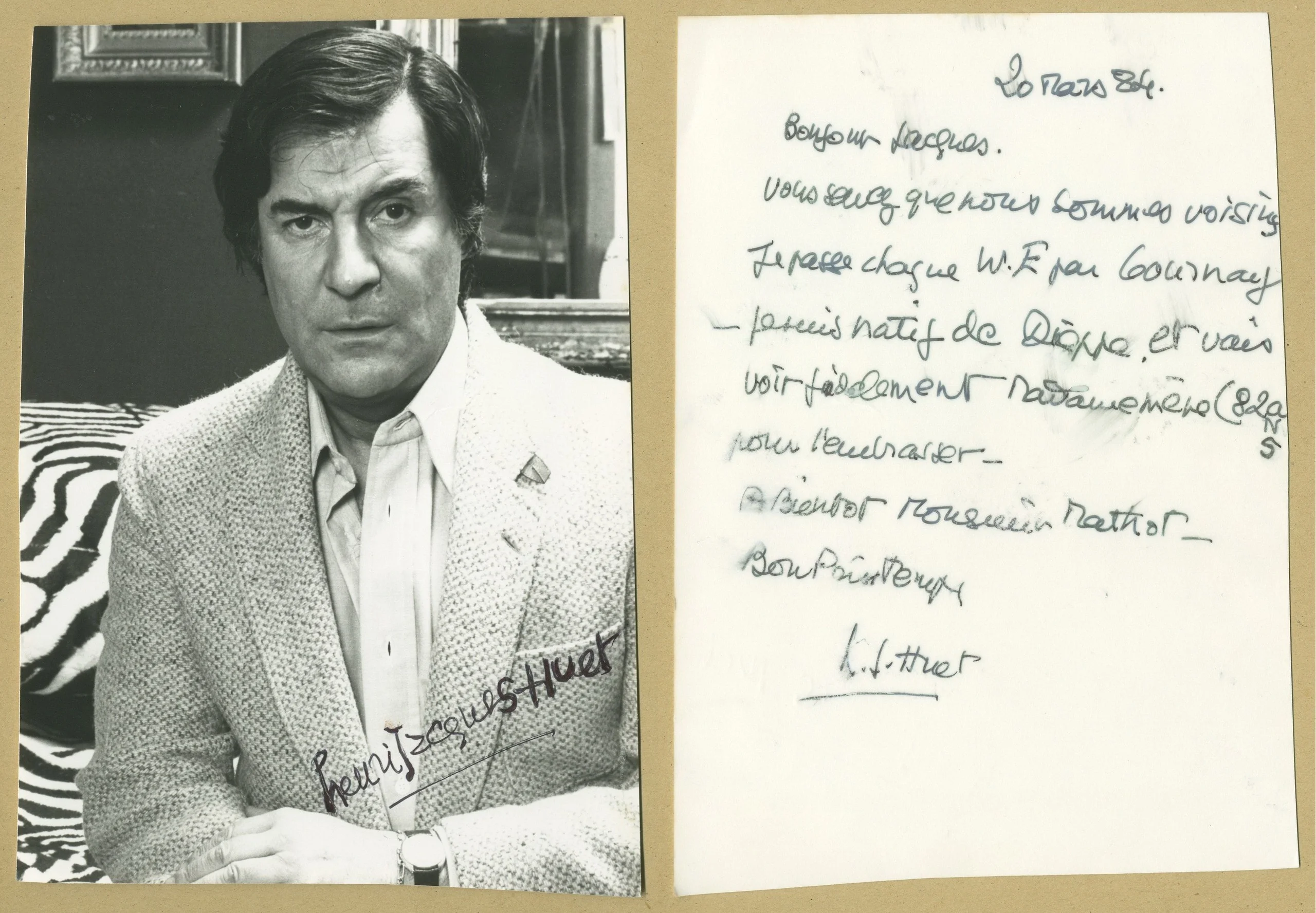
Henri Huet
 Vietnam
photographer•journalist•war photographer
Also known as: Henri Gilles Huet
Birthday
April 4, 1927
Birth Sign
Aries
Birthplace
Đà Lạt, French Indochina
Age
Died at 43
About
Henri Huet was a French war photographer whose lens captured the raw reality of conflict, most notably during the Vietnam War for the Associated Press (AP). Born in Đà Lạt, French Indochina, he brought a unique intimacy to his work, earning him a place among the most respected photojournalists of his generation.
His photographs, published in outlets like Life magazine, shaped public perception of the war in the United States and Europe, contributing to the growing anti-war sentiment. Huet's legacy lives on through exhibitions, archives, and the countless photographers he inspired.
Early Life & Background
Henri Huet was born in 1927 in Đà Lạt, a hill station in French Indochina, to French parents. Growing up in Southeast Asia gave him a deep connection to the region that would later define his career. He attended school in the colonial system, though specific details remain sparse.
His early interest in photography led him to pursue it professionally, and by the early 1950s he was covering conflicts in the Middle East and Southeast Asia for various news agencies. These formative assignments honed his skills and prepared him for the work that would make him famous.
Career Growth
Huet joined the Associated Press in the early 1960s and deployed to Vietnam in 1963, quickly becoming one of the most trusted photojournalists on the ground. His coverage of the Tet Offensive in 1968 produced some of his most haunting images, and his photographs were featured in major publications worldwide.
In 1967, he received the Robert Capa Gold Medal for Courage in Photojournalism, recognizing his bravery and skill. Huet's work during the Laotian Civil War ended tragically when his helicopter was shot down in 1971, but his images continue to be exhibited and studied extensively.
Career Timeline
Public Image & Style
Henri Huet is revered in the world of photojournalism as a hero of the craft. His images are studied in journalism schools and displayed in galleries worldwide. Fans often refer to him as a 'voiceless witness' to the horrors of war, and his work has inspired countless aspiring photojournalists.
His photographs are frequently used in educational materials to illustrate the realities of the Vietnam War, and his name is synonymous with courageous reporting.
Fame & Fandom (iFAMOUS Rankings)
Henri Huet's posthumous renown is a quiet, scholarly phenomenon rather than a fan-driven spectacle. There is no formal fandom name for the community that admires his work; instead, it is an informal circle of photography enthusiasts, war historians, and journalists who encounter his images through exhibitions and archives rather than through organized fan campaigns. His legacy is preserved by institutions, the Maison Européenne de la Photographie held a major retrospective in 2011, and the Associated Press maintains a substantial archive of his photographs, rather than by fan projects or rituals.
As of August 2026, iFANN's Global Fame Engine has evaluated Henri Huet but does not currently place him in its published rankings, whether the Global Top 1,000 or any Top-100 scope list. This absence reflects the nature of his fame, which is rooted in professional reverence and historical significance rather than contemporary media visibility or public consumption signals. His name, however, remains a byword for courage and integrity in war photography, and his images continue to be studied and exhibited worldwide.
The stories told about Huet center on his final assignment: on 10 February 1971, he was killed when the helicopter he was riding in was shot down over Laos, along with fellow photographers Larry Burrows, Kent Potter, and Keisaburo Shimamoto. This event, verified and documented, forms the cornerstone of his legend, and it is retold in retrospectives and obituaries as the ultimate act of dedication to his craft. Huet's photograph of a chaplain administering last rites to correspondent Dickey Chapelle in 1965 is another iconic artifact, haunting and widely reproduced. There are no stories of fan frenzy or viral moments; instead, his legend is one of quiet, profound respect for a man who documented the horrors of war with unflinching honesty.
Interesting Facts and Legends
Huet was one of the few Western photographers permitted to travel with U.S. military units in Vietnam, granting him unprecedented access to combat zones. He was known among colleagues for his kindness and sense of humor, and he wore a Virgin Mary medallion throughout the war, a symbol of his faith. His fellow photographers remembered him as 'respected for his bravery, dignity and skill, and loved for his kindness and sense of humor.' Huet was also renowned for his physical resilience, often carrying heavy film canisters back to Saigon despite exhaustion.
One of the most iconic legends surrounding Huet is the manner of his death: on 10 February 1971, he was killed when the helicopter he was riding in was shot down over Laos, along with three other photojournalists, Larry Burrows, Kent Potter, and Keisaburo Shimamoto. This event has become a central story in war photography lore, and the crash site is a point of pilgrimage for those in the profession.
Another powerful image from Huet's career is his photograph of U.S. Marine Corps chaplain John McNamara administering last rites to correspondent Dickey Chapelle, who was killed by a landmine in South Vietnam in November 1965. The photograph, capturing Chapelle's final moments, is among the most haunting and widely reproduced images of the war, and it is often cited as one of Huet's most poignant works.
Notable Quotes
“Good journalists try to remain neutral.”
“Respected for his bravery, dignity and skill, and loved for his kindness and sense of humor.”
Family & Personal Life
Notable Connections
Relationships & Dating History
Henri Huet remained unmarried and childless throughout his life. There is no public record of any romantic relationships, engagements, or marriages. Some accounts mention a Virgin Mary medallion he wore, possibly a token from a partner, but no specific name has been confirmed.
His personal life was private, and his legacy is defined entirely by his professional contributions.
Death & Aftermath
Died
February 10, 1971 (aged 43)
Death Place
Ban Phou Pheung Noi, Laos
Cause of Death
Aviation accident (plane crash)
The Maison Européenne de la Photographie in Paris later honored Henri Huet with an exhibition of his work, and The Guardian highlighted his status among the most admired photojournalists of the conflict in a 2011 feature. This institutional recognition followed a fifty-year retrospective by the Associated Press in January 2021, which described him as a gifted and courageous photographer whose images remained widely studied and exhibited. On February 10, 1971, Huet was killed at age 43 near the Laotian border village of Ban Phou Pheung Noi while covering the evacuation of civilians from the Plain of Jars. He died alongside three other photojournalists, David Hume Kennerly, John Vassilatos, and Paul Salopek, aboard a U.S. Air Force C-123 Provider aircraft that crashed during the mission. U.S. No specific funeral service or burial location is recorded in available documents, though his photographs are held in the collection of the Museum of Fine Arts, Houston.
Net Worth (Estate Value)
$2 Million
iFANN Editorial Team estimate
As a deceased individual whose career ended in 1971, Henri Huet's estate continues to generate income through licensing fees for his photographs, book sales, and exhibition rights. The enduring demand for his iconic images ensures a steady revenue stream, though specific figures are not publicly disclosed. His estate is managed by heirs or a trust, and iFANN currently estimates its value at $2 million, reflecting the cultural and archival significance of his work.
Awards Won (1)
Henri Huet received the Robert Capa Gold Medal in 1967, a prestigious honor recognizing his courage and skill in documenting the Vietnam War. This remains his most significant professional award.
1967 · Courage in Photojournalism
Vietnam War coverage
Known For
Vietnam War photography
1963 · Photographer
Tet Offensive coverage
1968 · Photographer
Keywords
Sources
Quick Facts
- Profession
- photographer, journalist, war photographer
- Born
- April 4, 1927
- Birthplace
- Đà Lạt, French Indochina
- Died
- February 10, 1971
- Death Place
- Laos
- Gender
- Male
- Birth Sign
- Aries
Personal Details
- Full Name
- Henri Gilles Huet
Frequently Asked Questions
Who was Henri Huet?
How did Henri Huet die?
What award did Henri Huet win?
Did Henri Huet have any children?
Where can I see Henri Huet's photos?
Similar People
Join the community
fans discussing