 Germany
About
Heinz Erhardt was a German comedian, actor, musician, and poet whose career left a lasting mark on German entertainment. Born in Riga on February 20, 1909, he became one of the most beloved comic figures of the postwar era, known for his gentle wit and inventive wordplay. Over more than three decades, he appeared in over 60 films, recorded numerous comedy and poetry albums, and published several books of humorous verse. His style, marked by puns, malapropisms, and a cheerful, self-deprecating demeanor, earned him a devoted following that persists long after his death on June 5, 1979, in Hamburg.
Erhardt's humor was rooted in language itself. He had a gift for turning everyday phrases into comic gems, often delivering them with a deadpan expression that made them all the funnier. His poetry, filled with whimsical rhymes and absurd observations, became so popular that many Germans can still recite lines from memory. Today, tribute events and reissues of his work continue to introduce new generations to his unique brand of comedy.
Early Life & Background
Heinz Erhardt was born into a musical family in Riga, then part of the Russian Empire. His father, a bandmaster, provided a home filled with music, and young Heinz showed an early aptitude for the piano. He spent much of his childhood with his grandparents, where he developed a love for language and performance. After the family moved to Germany, Erhardt pursued formal music training, initially aiming for a career as a concert pianist. His path shifted, however, when he discovered the stage. He began performing in cabarets and variety shows, honing his skills as a comedian and entertainer. These early experiences shaped his comedic timing and his ability to connect with live audiences, skills that would later serve him well in film and television.
Career Growth
Erhardt's breakthrough came in the 1950s when he transitioned from stage to screen. His film debut in the comedy Der schweigende Engel (1954) was followed by a string of successful comedies that showcased his talent for physical comedy and verbal wit. Films like Witwer mit 5 Töchtern (1957) and Der Haustyrann (1967) became box-office hits and remain classics of German cinema. In addition to his film work, Erhardt was a regular on television, appearing in variety shows and comedy specials that made him a household name. He also recorded numerous albums of his poetry and songs, selling millions of copies. His books of humorous verse, such as Noch'n Gedicht, became bestsellers. Erhardt's ability to cross between media, film, TV, stage, and print, was remarkable and contributed to his enduring popularity.
Career Timeline
Public Image & Style
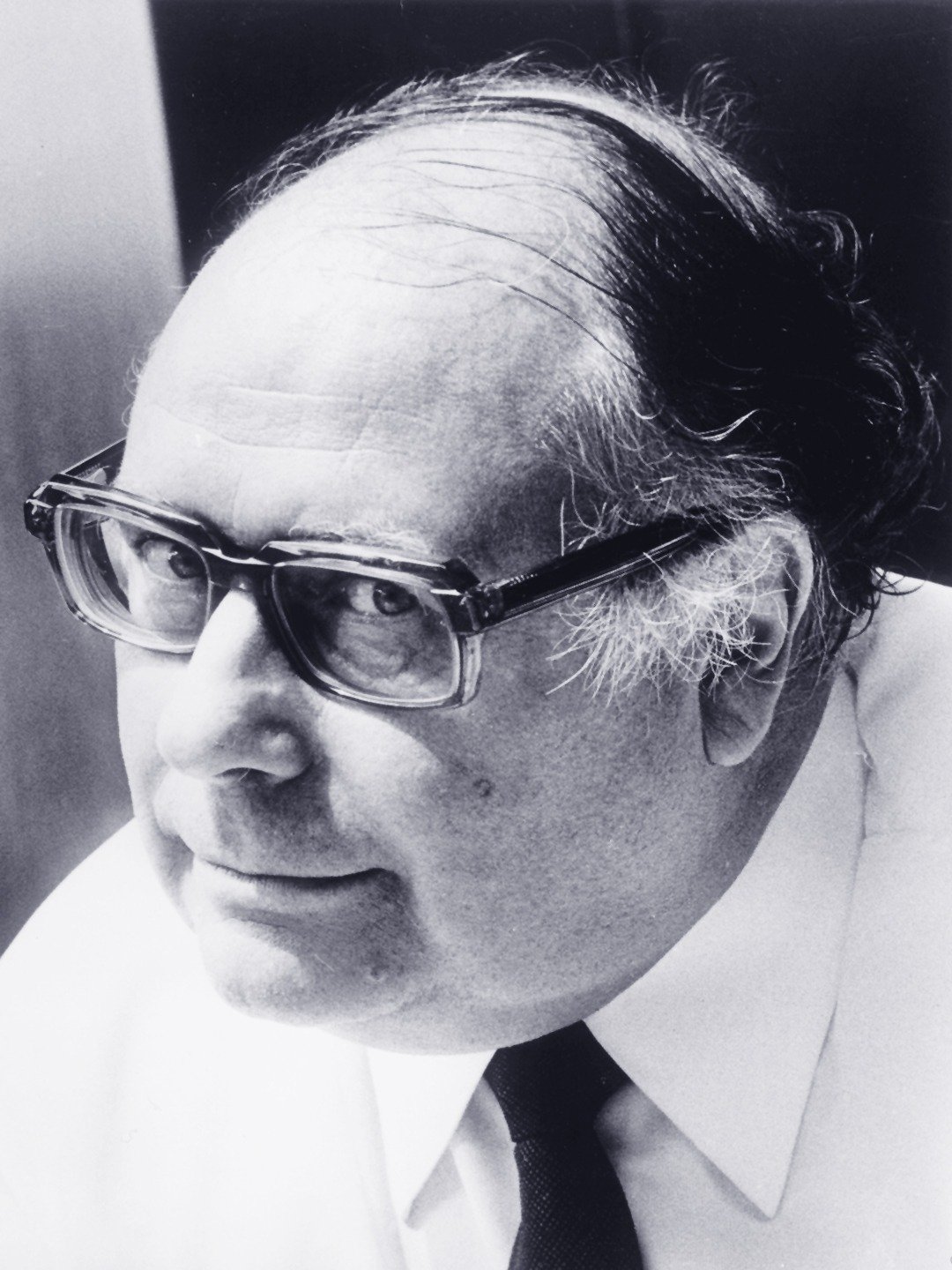
Heinz Erhardt cultivated a public image of a cheerful, slightly absent-minded everyman. His trademark round glasses and gentle smile made him instantly recognizable. On screen and in person, he exuded a warmth that endeared him to audiences. His comedy was never mean-spirited; instead, he found humor in the absurdities of daily life, often turning his own perceived clumsiness into material. Fans appreciated his humility and his ability to laugh at himself. This image of a kind, witty uncle made him a beloved figure across generations. Today, he is remembered as a master of German humor, whose work continues to be celebrated in tribute performances and retrospectives.
Fame & Fandom
Heinz Erhardt commanded a significant portion of German cultural attention throughout the latter half of the twentieth century, establishing a legacy that persists through institutional preservation and generational reverence. Despite this enduring presence in the national consciousness, iFANN's Global Fame Engine has evaluated his current standing and determined that he does not currently hold a placement in the published rankings, including the Global Top 1,000 or any scope-specific top lists. The evaluation indicates that while his work remains accessible on major streaming platforms and is celebrated in state-sponsored events, he lacks the active global engagement metrics required for a specific ordinal rank at this time. His audience functions as a passive, intergenerational following rather than an organized movement with formalized membership or digital activism. Unlike modern celebrity phenomena driven by viral campaigns or dedicated fan clubs, Erhardt's supporters are characterized by a quiet appreciation for his films, poetry, and music. There is no documented name for his fanbase, and historical records do not suggest the existence of grassroots projects, birthday billboards, or charity drives initiated by a self-styled organization. The absence of a formal fandom title reflects a tradition where his popularity was expressed through high box office returns and television ratings during his lifetime, evolving into a stable, non-disruptive cultural fixture after his death.
Interesting Facts and Legends
Heinz Erhardt was renowned for his mastery of wordplay, frequently inventing nonsense words that eventually entered everyday German usage. He once asserted that any word could be rendered humorous simply by applying the correct intonation. An accomplished pianist, he regularly integrated musical elements into his comedy routines, blending song and verse in a manner unique to his style. A well-documented fear of flying restricted his travel options, leading him to film many of his productions close to his home base in Hamburg. He was also known for his habit of smoking cigars, a trait that became synonymous with his public persona. In private, however, he remained a quiet and introspective individual, contrasting sharply with his cheerful on-screen image. Cultural lore surrounding Erhardt often centers on his catchphrase "Ach Egon!" from his 1961 film *Ach Egon!*, which has become a shorthand for affectionate exasperation in German popular culture. Stories persist regarding his character Egon and his interactions with Aunt Hedwig, forming the core of his comedic mythology. While there are no verified accounts of mass fainting or street-shutting crowds typical of modern idolatry, his films drew massive audiences that were widely attended as mainstream entertainment. Contemporary celebrations continue, such as the 2026 performance titled "Another poem" in Salzgitter, ensuring his legacy remains active through reenactment and institutional tribute.
Family & Personal Life
Heinz Erhardt married Gilda Zanetti, who remained his wife throughout his life. The couple had children, though details remain private. Erhardt's family life was marked by stability and support, allowing him to pursue his demanding career. His son, Gero Erhardt, followed in his father's footsteps and became a director and actor. The Erhardt household was known for its love of music and laughter, and Heinz often entertained family and friends with impromptu performances at the piano.
Notable Connections
Heinz Erhardt's collaborators included actress Christine Kaufmann, with whom he appeared in The Last Pedestrian (1960), and director Wolfgang Schleif, who helmed Ach Egon! (1961). His wife Gilda Zanetti was a constant presence in his life. Modern performers like Hans-Joachim Heist have built careers on impersonating Erhardt, and Dieter Dietrich regularly stages tribute readings of his work.
Relationships & Dating History
Heinz Erhardt was married to Gilda Zanetti. The couple wed in the 1930s and remained together until his death. Their marriage was marked by mutual support, with Gilda often managing household affairs while Heinz pursued his career. They had children, including son Gero, who became a director. Erhardt was known to be devoted to his wife, and their relationship provided a stable foundation for his busy professional life. At the time of his death, he was still married to Gilda.
- MarriedGilda Zanetti1935 - 1979Married for over four decades, they had children together.
Death & Aftermath
Died
June 5, 1979 (aged 70)
Death Place
Unknown
Cause of Death
Unknown
The enduring resonance of Heinz Erhardt's work was immediately evident as his catalog remained in print and his films continued to broadcast regularly across German television networks following the end of his life. His collections of humorous verse were reissued, and licensing agreements for merchandise ensured that his distinctive style of wordplay reached new audiences without interruption. The public reaction centered on a collective appreciation for a man who had defined postwar entertainment through gentle wit rather than shock or controversy. Tributes from peers highlighted his unique ability to transform everyday phrases into comedy, cementing his status as a household name whose influence persisted long after his final performance. Heinz Erhardt passed away on June 5, 1979, in Hamburg at the age of seventy.
While the specific medical details surrounding his final days and the official cause of death were never made public by his family or reported by authorities, the event marked the conclusion of a career spanning more than three decades. The absence of such reports suggests a private departure consistent with the dignified demeanor he maintained throughout his life. Funeral arrangements and the immediate gathering of mourners remain unrecorded in available sources, though the stability of his family life provided a foundation for those close to him during this period. His son, Gero Erhardt, who had already established himself as a director and actor, likely played a role in managing the transition of his father's legacy.
The estate continues to generate revenue through royalties, yet the focus of the immediate aftermath shifted quickly toward the preservation of his artistic contributions rather than financial administration. In the years since his death, Erhardt has been remembered not merely as a performer but as a gifted wordsmith whose impact remains visible in contemporary German culture. Future tributes, such as scheduled events in Salzgitter, demonstrate that his reputation has grown rather than faded over time. The silence regarding the mechanics of his death allows the focus to remain entirely on the artistry that secured his place among Germany's most beloved entertainers.
Net Worth (Estate Value)
$5 Million
iFANN Editorial Team estimate
The estate of Heinz Erhardt continues to generate revenue through royalties derived from his extensive catalog of films, books, and recordings. His collections of humorous poetry remain in print, and his motion pictures are broadcast regularly across German television networks. Additional income is realized through licensing agreements for merchandise and the organization of tribute events honoring his contributions to the arts. Per iFANN's editorial analysis, the total value of the estate as of 2026 is estimated at $5 Million. This figure reflects the sustained commercial viability of his work and the continued demand for his creative output. The financial streams associated with his legacy have demonstrated remarkable stability over time, underscoring the timeless nature of his comedic approach and the enduring appeal of his artistic persona.
Awards & Accolades
Known For
Witwer mit 5 Töchtern
1957 · Actor
Der Haustyrann
1967 · Actor
Noch'n Gedicht
1970 · Author
Keywords
Sources
Quick Facts
- Profession
- Comedian, actor, musician, poet
- Born
- February 20, 1909
- Birthplace
- Riga, Latvia
- Died
- June 5, 1979
- Death Place
- Hamburg, Germany
- Gender
- Male
- Birth Sign
- Pisces
- Spouse
- Gilda Zanetti
Personal Details
- Full Name
- Heinz Erhardt
- Spouse
- Gilda Zanetti
Filmography
60
Total
60
Film
0
TV
Frequently Asked Questions
Who was Heinz Erhardt?
When and where was Heinz Erhardt born?
When did Heinz Erhardt die?
What was Heinz Erhardt known for?
Is Heinz Erhardt still remembered today?
Similar People
Join the community
fans discussing