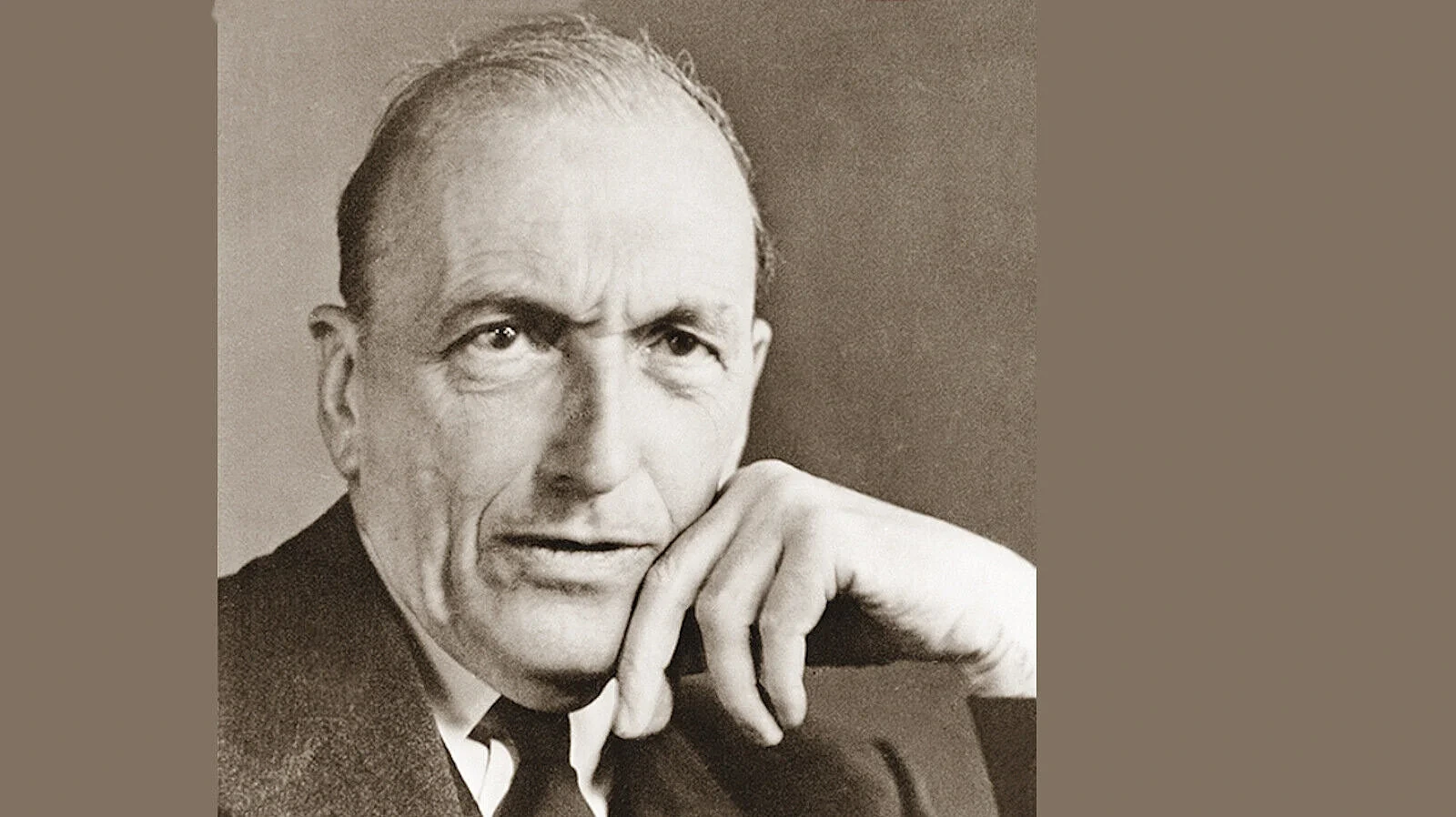
Hans Gerhard Creutzfeldt
 Germany
Birthday
June 2, 1885
Birth Sign
Gemini
Birthplace
Harburg, Germany
Age
Died at 79
About
Hans Gerhard Creutzfeldt was a German neurologist and neuropathologist whose name is permanently attached to one of the most feared neurodegenerative diseases known to medicine. Born in Harburg in 1885, he spent his career investigating the structure and pathology of the human brain, and his clinical observations in the early 1920s helped identify a rapidly progressive, invariably fatal condition that would later be named Creutzfeldt-Jakob disease. He died in Munich in 1964.
Creutzfeldt's scientific legacy is defined by that eponym, yet the precise extent of his contribution to the disease's first description remains a matter of historical debate. Alfons Jakob, a colleague who published his own case studies shortly after Creutzfeldt's initial report, provided crucial clarification of the syndrome. The disease itself, which strikes roughly one in a million people each year, is characterized by rapid cognitive decline and neurological deterioration, and it continues to be a focus of intense research.
Creutzfeldt's later career included a professorship at Kiel University, where he taught psychiatry and neurology from 1938 to 1953. His professional life was devoted to understanding brain disorders, and his work has left an enduring mark on the field of neuropathology.
Early Life & Background
Hans Gerhard Creutzfeldt was born on June 2, 1885, in Harburg, a town near Hamburg that was then part of the German Empire. His family background remains largely undocumented, but he pursued medical studies at several German universities, including Jena, Berlin, and Kiel, earning his doctorate in 1909. After completing his training, he worked at the psychiatric clinic in Breslau under the direction of Alois Alzheimer, the psychiatrist who first described Alzheimer's disease. That experience shaped his interest in neuropathology and the study of degenerative brain conditions.
Creutzfeldt's early research focused on the microscopic structure of the brain, and he published papers on various neurological disorders. In 1920, he reported the case of a 23-year-old woman who had suffered from a mysterious, rapidly progressive illness marked by seizures, spasticity, and dementia. That case, presented at a meeting of the German Psychiatric Society, would later be recognized as one of the first descriptions of the disease that now bears his name. At the time, however, Creutzfeldt was uncertain how to classify the condition, and he did not immediately recognize it as a distinct entity.
His work in Breslau and later at the University of Kiel established him as a meticulous observer and a skilled neuropathologist, though he remained a relatively quiet figure in the German medical establishment.
Career Growth
Creutzfeldt's breakthrough came with his 1920 case report, but it was the subsequent work of Alfons Jakob that fully delineated the syndrome. Jakob published his own series of cases in 1921 and 1923, and it was Jakob who proposed that these cases represented a new disease entity. The term "Creutzfeldt-Jakob disease" was coined later, and while Creutzfeldt's name is attached, historians have debated how much of the credit belongs to him. Nonetheless, the eponym stuck, and the disease became a major focus of neurological research.
In 1938, Creutzfeldt was appointed professor of psychiatry and neurology at the University of Kiel, a position he held until 1953. During his tenure, he oversaw the psychiatric clinic and continued his research on brain pathology. His work during the Nazi era is controversial: he was an official member of the SS, though some accounts suggest he may have helped protect patients from the Aktion T4 euthanasia program. His wife was convicted by a Nazi court, which complicates any simple narrative of his political stance.
After World War II, Creutzfeldt remained at Kiel until his retirement in 1953. He died in Munich in 1964. The disease bearing his name gained worldwide attention in the 1990s during the outbreak of variant Creutzfeldt-Jakob disease linked to bovine spongiform encephalopathy, or mad cow disease, and it remains a subject of active research.
Career Timeline
Public Image & Style
Creutzfeldt is remembered primarily as a meticulous neuropathologist whose name became attached to a devastating disease. In the medical community, he is respected for his careful clinical observations, though his legacy is complicated by his association with the Nazi regime. The controversy over his role in the SS and his potential involvement in the euthanasia program has led to reassessments of his career. Among neurologists, the eponym "Creutzfeldt-Jakob disease" is a constant reminder of his contribution, but the exact nature of that contribution remains a topic of historical debate.
Fame & Fandom (iFAMOUS Rankings)
The legacy of Hans Gerhard Creutzfeldt is defined by a unique dynamic where the public and professional worlds converge on his name, yet no organized fanbase exists to celebrate him as an entertainer. His audience consists entirely of medical professionals, historians, and patients affected by the disease that bears his name. Unlike modern celebrities who cultivate rituals or online communities, Creutzfeldt's "fans" are those who study the intricate history of neuropathology and the moral complexities of science during the Third Reich. The narrative surrounding him is one of profound scientific achievement shadowed by historical controversy, creating a legacy that commands respect rather than adoration. There are no birthday billboards, fan clubs, or charity drives named in his honor; the only collective attention he receives is the somber recognition of his contribution to medicine and the ongoing debate regarding his conduct under the Nazi regime. This lack of a formal fandom underscores the serious nature of his life's work and the tragic reality of the condition he helped identify. Despite the global awareness of Creutzfeldt-Jakob disease, the physician himself remains a figure of academic study rather than popular culture. In August 2026, the iFANN Global Fame Engine evaluated his standing and determined that Hans Gerhard Creutzfeldt is currently evaluated as unranked, meaning he does not hold a placement in the published rankings of the Global Top 1,000 or any Top-100 scope list.
Interesting Facts and Legends
Hans Gerhard Creutzfeldt first identified a rapidly progressive brain condition in 1920 after examining a 23-year-old woman whose brain displayed distinctive spongiform changes before she died within months. As a student of Alois Alzheimer, his early research was deeply shaped by his mentor's pioneering dementia studies, leading to the collaborative characterization of the disease with Alfons Jakob. The condition remains incredibly rare, affecting roughly one person per million annually while maintaining a 100% fatality rate. Historical records reveal that during the Nazi era, Creutzfeldt held membership in the SS, adding a layer of complexity to his biography. A particularly puzzling detail for historians is that his wife was convicted by a Nazi court, a fact that complicates the understanding of their personal lives under the regime. In 2023, a biochemist in France succumbed to the disease, sparking investigations into whether her work with prion proteins played a role in her infection. The central legend of his career remains the 1920 discovery that would eventually link to the "mad cow disease" scares decades later, cementing his place in medical history. While some narratives suggest he may have resisted the euthanasia program, others argue he did too little, leaving his moral standing a subject of intense scholarly re-evaluation.
Family & Personal Life
Details about Creutzfeldt's family are scarce. He was married, and his wife was convicted by a Nazi court, though the nature of her conviction and its impact on their family life are not well documented. There is no public information about his children or parents. He lived in Kiel during his professorship and later in Munich, where he died. His personal life remained largely private, and his marriage seems to have been affected by the political turmoil of the Nazi era.
Notable Connections
Alfons Jakob, a German neurologist, is closely associated with Creutzfeldt for his independent description of the disease that bears both their names. Alois Alzheimer, under whom Creutzfeldt trained, also influenced his career. The University of Kiel and the German neurological community are part of his professional network.
Relationships & Dating History
Creutzfeldt was married, but the identity of his wife and the details of their relationship are not widely documented. During the Nazi era, his wife was convicted by a Nazi court, which suggests that the couple may have faced political persecution or personal conflict. There is no public record of any other romantic relationships. He died in 1964, and his wife's fate is unknown.
Death & Aftermath
Died
December 30, 1964 (aged 79)
Death Place
Munich, Bavaria, Germany
Cause of Death
Unknown
The enduring recognition of Hans Gerhard Creutzfeldt's work manifested immediately through the continued global citation of the disease he helped identify, ensuring his name remained central to neurological research long after his passing. This academic tribute stood as the primary memorial, with institutions like the University of Kiel later acknowledging his life while examining his complex history during the Third Reich. The scientific community honored his legacy not through public vigils or chart surges, but by keeping the study of Creutzfeldt-Jakob disease at the forefront of medical inquiry. Hans Gerhard Creutzfeldt passed away on December 30, 1964, in Munich, Bavaria, Germany, at the age of seventy-nine.
Historical records do not specify a detailed medical cause for his death, nor do they provide accounts of his final days or any hospitalization prior to his passing. While historical debates regarding his SS membership and actions during the Nazi era have sparked scholarly analysis in journals such as Neurology, these discussions focus on his wartime conduct rather than the circumstances of his demise. Specific details regarding his funeral service, burial location, or cremation practices remain unavailable in public records.
Net Worth (Estate Value)
As a scientist and professor, Creutzfeldt did not accumulate significant personal wealth. His estate, if any, has not been publicly reported. His legacy is primarily scientific rather than financial, and no reliable estimate of his net worth exists. Given his academic career, it is unlikely that he amassed substantial assets beyond a modest pension.
Awards & Accolades
View 1 records, honours and achievementsKnown For
Creutzfeldt-Jakob disease
1920 · Co-describer
Keywords
Sources
Quick Facts
- Profession
- Neurologist, Neuropathologist
- Born
- June 2, 1885
- Birthplace
- Harburg, Germany
- Died
- December 30, 1964
- Death Place
- Munich, Germany
- Gender
- Male
- Birth Sign
- Gemini
Personal Details
- Full Name
- Hans Gerhard Creutzfeldt
Frequently Asked Questions
Who was Hans Gerhard Creutzfeldt?
What is Creutzfeldt-Jakob disease?
How did Hans Gerhard Creutzfeldt die?
Was Hans Gerhard Creutzfeldt a Nazi?
What is Hans Gerhard Creutzfeldt's net worth?
Join the community
fans discussing