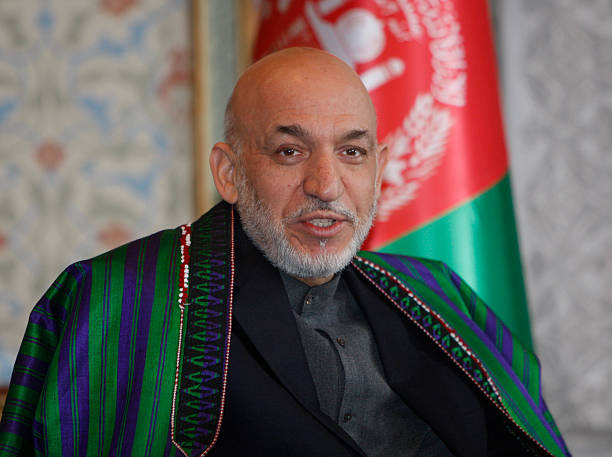
Hamid Gul
 Pakistan
Military Officer•Intelligence Chief
Also known as: Father of the Taliban, Godfather of the Taliban
Birthday
November 20, 1936
Birth Sign
Scorpio
Birthplace
Sargodha, Pakistan
Age
Died at 78
About
Hamid Gul was a Pakistani three-star general who served as Director-General of the Inter-Services Intelligence (ISI) from 1987 to 1989. He was a central figure in the covert war against Soviet forces in Afghanistan, directing ISI support to the Afghan mujahideen. His later years were marked by controversy, with international media labeling him the "Father of the Taliban" due to his alleged connections to Islamist militant groups.
Gul remained an outspoken Islamist ideologue until his death, founding the political movement Tehrik Jawanan Pakistan. His legacy is deeply polarizing: supporters in Pakistan remember him as a patriotic "spy master," while critics internationally view him as a patron of terrorism. He died on August 15, 2015, of a brain hemorrhage in Murree, near Islamabad.
Early Life & Background
Hamid Gul was born on November 20, 1936, in Sargodha, a city in the Punjab province of British India, now Pakistan. Details about his early childhood and family background remain scarce, as his public profile was dominated by his military career.
Gul joined the Pakistan Army and trained at the Pakistan Military Academy. He was commissioned into the 18th Lancers, a cavalry regiment, and rose through the ranks over several decades. His military education included staff college training, which prepared him for senior command roles. His early career was marked by steady advancement, though specific assignments from this period are not widely documented.
By the time he reached the rank of Lieutenant General, Gul had earned several decorations, including the Hilal-i-Imtiaz, Sitara-i-Imtiaz, and Sitara-i-Basalat. His reputation as a capable officer and his ideological convictions positioned him for the role that would define his legacy: chief of Pakistan's premier intelligence agency.
Career Growth
Gul's career reached its peak with his appointment as Director-General of the ISI in 1987. During his tenure, he directed the distribution of US-supplied funds and weapons to Afghan mujahideen fighting Soviet forces, a role that made him a key architect of the anti-Soviet campaign.
After leaving the ISI in 1989, Gul expanded Pakistan's covert support to Kashmiri militants in Indian-administered Kashmir, a strategic shift that reoriented focus toward the Kashmir conflict. Indian intelligence officials, including former R&AW director A. S. Dulat, described him as "the most dangerous and infamous ISI chief in Indian eyes."
In his later years, Gul became a vocal critic of the United States and was accused of ties to groups like Al-Qaeda and Lashkar-e-Taiba. He also brokered a ceasefire between the Afghan government and the Hezb-i-Islami faction. He founded the Tehrik Jawanan Pakistan political movement and remained an active commentator until his death in 2015.
Career Timeline
Public Image & Style
Hamid Gul's public image is that of a controversial, hardline Islamist military figure. Media portrayals consistently emphasize his role in supporting the Afghan mujahideen, his alleged connections to terrorist groups, and his anti-US stance. He was known as the "godfather of the Taliban" and an "Islamist ideologue" until his death.
Supporters in Pakistan remember him as a patriotic "spy master," while critics internationally view him as a patron of terrorism. His public statements were ideologically charged, focusing on Islamist geopolitics and anti-Western themes. There is no organized fandom culture around him; rather, he is commemorated by military-focused pages and the political movement he founded.
Fame & Fandom (iFAMOUS Rankings)
Hamid Gul commanded a global attention profile defined by geopolitical controversy rather than popular adoration, with his legacy tracked across decades of international media coverage and historical analysis. Current placement data indicates he holds the 27th most famous person in Pakistani Dramas according to the iFANN Global Fame Rankings, a position he has maintained steadily from the previous cycle. This specific standing reflects the enduring cultural footprint of his persona within regional entertainment narratives that often revisit his life and career. While his influence permeates political discourse and intelligence history, the structured fame metrics identify this singular ranking as his primary documented presence in contemporary fame indices. Regarding his audience, there is no formal fandom name or organized fanbase associated with General Hamid Gul. His public interactions were strictly limited to political commentary and military analysis, resulting in a polarized reception among the general population and international observers rather than a devoted following. The term "loved and loathed" describes the divided nature of his political legacy rather than a specific group of adherents. Consequently, no official rituals, birthday celebrations, or fan-funded projects exist for him, distinguishing his posthumous status from that of modern entertainment celebrities who generate active, named communities.
Interesting Facts and Legends
General Hamid Gul was known by several monikers, including "godfather of the Taliban" and "Father of the Taliban." He was described by Indian intelligence officials as "the most dangerous and infamous ISI chief in Indian eyes." He brokered a ceasefire between the Afghan government and the Hezb-i-Islami faction. He founded the political movement Tehrik Jawanan Pakistan. His Wikipedia page is available in at least 10 languages, including Arabic, German, Spanish, French, Hindi, Indonesian, Dutch, Russian, and Urdu. A defining element of his legend is the widespread narrative regarding his designation as the "Godfather of the Taliban," a title frequently cited by international media outlets such as Deutsche Welle and Al Jazeera. This story stems from his tenure as head of Pakistan's ISI during the 1980s Soviet-Afghan War, where he allegedly cultivated relationships with Afghan mujahideen leaders that later evolved into the Taliban movement. Another widely retold aspect of his lore involves his provocative public rhetoric regarding the United States. In various interviews, including a PBS Frontline interview, he asserted that the United States was conspiring against Islam. These statements cemented his reputation as an Islamist ideologue and a provocateur in the eyes of Western analysts while earning him a status as a defender of Islamic interests among certain segments of the Pakistani population.
Family & Personal Life
Public information about Hamid Gul's family life is extremely limited. His personal relationships, including his spouse and children, were never profiled in the media during his lifetime or after his death. He maintained a private personal life, and his professional identity as a military officer and intelligence chief dominated his public image.
Notable Connections
Gul was associated with Afghan mujahideen leaders, including factions of Hezb-i-Islami, with whom he brokered ceasefires. Indian intelligence official A. S. Dulat publicly commented on him, calling him a formidable adversary. He also had connections to Pakistani military leadership and successors at the ISI.
Relationships & Dating History
Death & Aftermath
Died
August 15, 2015 (aged 78)
Death Place
near Islamabad
Cause of Death
Brain hemorrhage
Tributes to Lieutenant General Hamid Gul arrived as a polarized chorus, with international institutions like the Brookings Institution and Deutsche Welle labeling him the godfather of the Taliban while Al Jazeera described him as a figure both loved and loathed in Pakistan. His death on August 15, 2015, at the age of 79 marked the end of a career defined by covert operations and controversial Islamist ideology. The former Director-General of the Inter-Services Intelligence passed away near Islamabad following a brain hemorrhage, a cause established through family and medical statements reported by wire services rather than public forensic documents. While his final days saw no widely reported public appearances, he remained an active defense analyst until the end, having largely retired from direct political commentary years after his dismissal in 1989.
Public reaction focused entirely on geopolitical analysis rather than mourning rituals, with numerous op-eds dissecting his impact on South Asian stability rather than organizing vigils or memorials. Specific details regarding his funeral service, burial location, or attendees remain absent from available records, leaving the logistics of his interment unrecorded in public sources. Posthumous activity was limited to claims made by his son, Abdullah Hamid Gul, who asserted that the script for the film Dhurandhar was based on real events involving India's RAW agency.
Net Worth (Estate Value)
$2 Million
iFANN Editorial Team estimate
As a deceased military officer and intelligence chief, Hamid Gul did not possess the public financial profile of a celebrity. His wealth derived from military pensions and personal assets, but specific figures are not documented in available sources. His estate's value and management remain private. Per iFANN's editorial analysis, the estimated net worth of Hamid Gul stands at $2 Million. This figure reflects a modest sum consistent with his career as a government official rather than a business figure. No posthumous earnings or estate ventures are documented.
Awards Won (3)
Hamid Gul received several Pakistani military and civil honours, including the Hilal-i-Imtiaz, Sitara-i-Imtiaz, and Sitara-i-Basalat. These decorations recognized his service and gallantry in the Pakistan Army.
Military
Military service
Military
Military service
Known For
Director-General of ISI
1987-1989 · Intelligence Chief
Afghan Mujahideen Support
1987-1989 · Coordinator
Kashmir Militant Support
1989 · Advocate
Keywords
Sources
Quick Facts
- Born
- November 20, 1936
- Birthplace
- Sargodha, Pakistan
- Died
- August 15, 2015
- Death Place
- Murree, Pakistan
- Gender
- Male
- Birth Sign
- Scorpio
- Profession
- Military Officer, Intelligence Chief
- Education
- Pakistan Military Academy
Personal Details
- Education
- Pakistan Military Academy
Frequently Asked Questions
Who was Hamid Gul?
When did Hamid Gul die and how?
What did Hamid Gul do as ISI chief?
Why was Hamid Gul called the "Father of the Taliban"?
Was Hamid Gul married or did he have children?
Similar People
Join the community
fans discussing