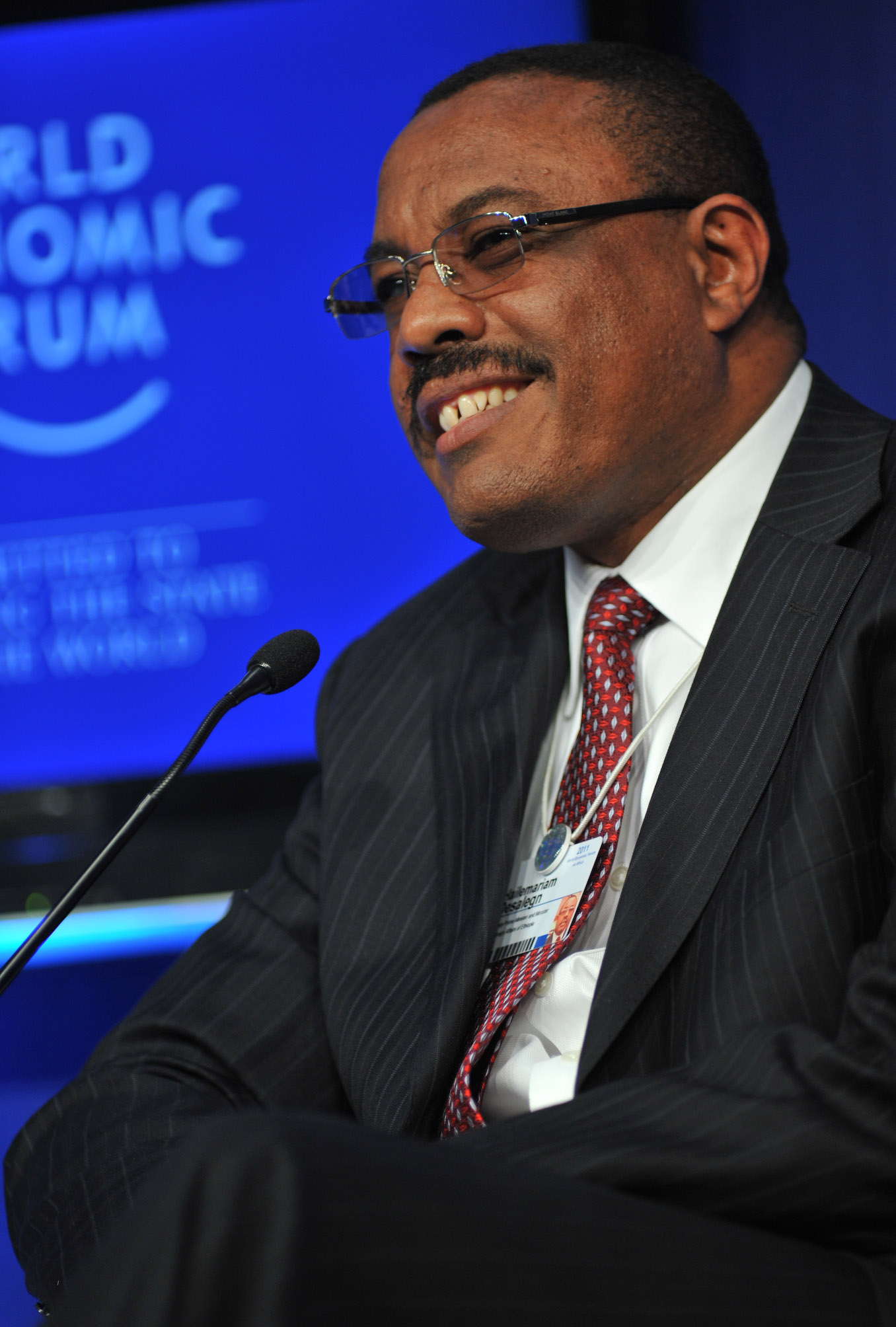
Hailemariam Desalegn
 Ethiopia
Birthday
+1965-07-19
Birth Sign
Cancer
Birthplace
Southern Nations, Nationalities, and Peoples' Region
Age
61 years old
About
Hailemariam Desalegn Boshe, born on July 19, 1965, in the Southern Nations, Nationalities, and Peoples' Region, is an Ethiopian politician who served as prime minister from 2012 to 2018. Before that, he was deputy prime minister and foreign minister under Meles Zenawi, and he also led the region as its president. A civil engineer by training, Hailemariam moved from academia into politics, eventually becoming a key figure in the ruling EPRDF coalition. He made history as the first Ethiopian leader to voluntarily step down, a rare move in a country where leaders typically died in office or were overthrown. Hailemariam's rise to the top came after Meles Zenawi's death in August 2012. Initially serving in an acting capacity, he was formally elected as EPRDF chair on September 15, 2012, and later took on the rotating role of African Union chairperson from 2013 to 2014. His tenure as prime minister was marked by significant economic growth, but also by widespread protests in 2016 that challenged his government's policies. In response to the unrest, he submitted his resignation on February 15, 2018, which was accepted on March 11, though he remained as head of a caretaker government until April 2, 2018. His decision to resign was widely seen as a strategic move to pave the way for reforms, and it earned him respect as a leader willing to put the country first. Despite the challenges, Hailemariam's career reflects a steady climb through Ethiopia's political ranks, from regional president to the highest office in the land. His legacy is tied to a period of transition, both for Ethiopia and for the broader African political landscape.
Fame & Fandom
Hailemariam Desalegn remains a figure of significant historical weight within the sphere of modern African governance, yet his public profile does not translate into the measurable metrics required for placement on global celebrity charts. As of August 2026, iFANN's Global Fame Engine has evaluated this person, but they do not currently hold a placement in the published rankings. This absence of a rank reflects the nature of his career; unlike entertainers or athletes whose fame is driven by continuous consumption and viral engagement, Desalegn's influence is anchored in political tenure and policy rather than pop culture ubiquity. His support base consists of political constituents, party members of the Ethiopian People's Revolutionary Democratic Front (EPRDF), and international development partners, groups that operate through formal channels rather than the performative rituals of a fanbase. There is no documented fandom name associated with his supporters, nor are there organized fan clubs, birthday billboards, or grassroots charity drives driven by a devoted following. The concept of a "fanbase" in the context of chart pushes or streaming campaigns is entirely inapplicable to his public profile. While he hosted high-level events such as the Third International Conference on Financing for Development in Addis Ababa in 2015, these engagements were diplomatic state functions rather than cultural phenomena that generate widespread media frenzy. Post-resignation, his activities have remained within the sphere of policy and agriculture, chairing the board of AGRA and participating in dialogues at the African School of Governance, further cementing his role as a statesman rather than a celebrity. Consequently, while Desalegn is a figure of historical importance in modern Ethiopian politics, he lacks the legendary status derived from pop culture phenomena, fan devotion, or mythic storytelling.
Interesting Facts and Legends
Hailemariam Desalegn made history as the first Ethiopian leader to voluntarily step down from office, a rare occurrence in a nation where leaders typically died in office or were overthrown. He served as prime minister from August 2012 until February 2018, rising to the position following the death of his predecessor, Meles Zenawi. Before reaching the premiership, he held the positions of deputy prime minister and foreign minister, having previously led his home region as its president. A civil engineer by training, he transitioned from academia into politics to become a key figure in the ruling EPRDF coalition. His resignation on February 15, 2018, stands as the defining incident of his public life, occurring during a period of mass protests and political unrest. In his address, he stated his intention to end the cycle of violence and create space for reform, effectively stepping aside to allow for a transition of power. This verified historical fact marks the end of a six-year term. Unlike figures surrounded by viral folklore or stories of crowds fainting, his legacy is defined by these documented political events rather than mythical anecdotes. Recent reports from 2026 indicate his continued involvement in African governance and agricultural initiatives, such as chairing the board of AGRA and participating in dialogues at the African School of Governance.
Awards & Accolades
Keywords
Quick Facts
- Profession
- politician, minister
- Born
- +1965-07-19
- Birthplace
- Southern Nations, Nationalities, and Peoples' Region
- Gender
- Male
- Birth Sign
- Cancer
Join the community
fans discussing