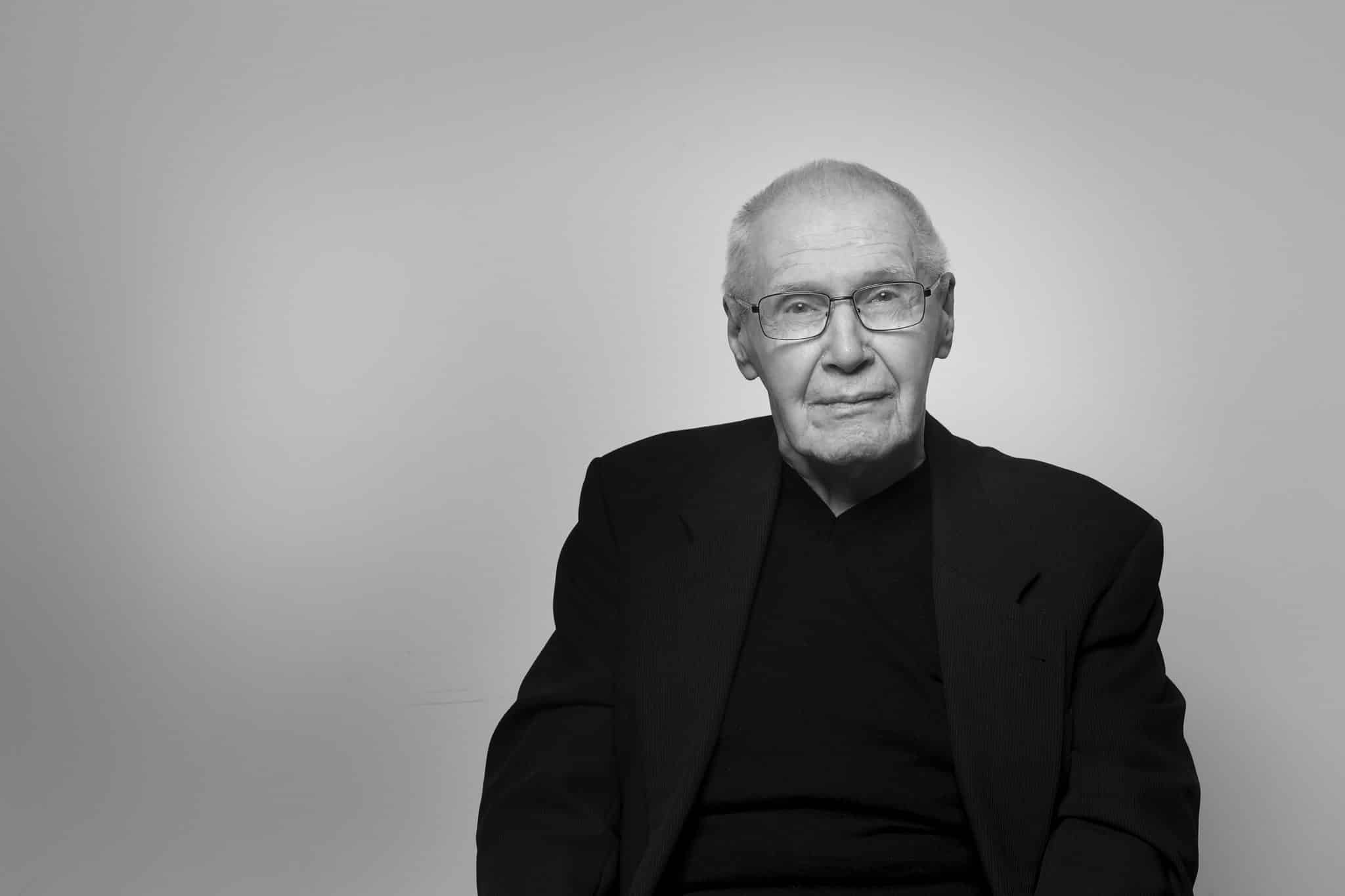
György Kurtág
 Romania
composer•pianist•music educator
Also known as: Kurtág György
Birthday
February 19, 1926
Birth Sign
Pisces
Birthplace
Lugoj, Romania
Age
100 years old
About
György Kurtág is a Hungarian composer and pianist, born on February 19, 1926, in Lugoj, Romania. He is one of the most respected figures in contemporary classical music, known for his meticulously crafted, emotionally charged works that often compress profound feeling into brief, fragmentary gestures. His music bridges the rigorous structures of Béla Bartók and Anton Webern with a deeply personal expressiveness, earning him a devoted following among performers and listeners alike.
Kurtág's career spans over seven decades. He taught piano at the Franz Liszt Academy of Music in Budapest from 1967 and chamber music there until 1993, shaping generations of Hungarian musicians. His major works include the Kafka Fragments for soprano and violin, the orchestral piece Stele, and the opera Fin de partie, based on Samuel Beckett's play, which premiered in 2018 when he was 92. He continues to compose and teach, and in 2026 he celebrated his 100th birthday, still active and engaged with the musical world.
Early Life & Background
György Kurtág was born on February 19, 1926, in Lugoj, a town in the Bánát region that had recently been ceded from Hungary to Romania. He grew up in a multicultural environment where Hungarian, Romanian, and German languages and cultures overlapped, an experience that would later inform his music's rich textures. He became a Hungarian citizen in 1948.
Kurtág began his formal musical studies at the Franz Liszt Academy of Music in Budapest in 1946, where he studied composition and piano. His early artistic development was shaped by the rigorous structures of Béla Bartók and Anton Webern, influences that remained central throughout his career. After the Hungarian uprising in 1956, he lived in Paris for three years, where he encountered the European avant-garde and studied with Marianne Stein, whose pedagogical approach deeply influenced his thinking about music and gesture. He returned to Budapest in 1959, and it was during this period that he composed his String Quartet, a work that marked his compositional breakthrough.
Career Growth
Kurtág's breakthrough came in 1959 with his String Quartet, written after his return from Paris. From there, he developed a distinctive voice characterized by compression and emotional intensity. His ten-volume piano cycle Játékok (Games), begun in the 1970s, became a monumental pedagogical and artistic project, transforming how piano technique is taught. In 1985, he completed Kafka Fragments for soprano and violin, a collaboration with violinist András Keller that explores extremes of color and expression; it is widely considered one of his most influential works.
His orchestral work Stele, premiered in 1994, further cemented his international reputation. In 2018, at age 92, he premiered his opera Fin de partie, based on Samuel Beckett's play, a major event in the contemporary music world. In February 2026, a manuscript of his eight-movement Wind Quintet, Op. 2 was discovered and authenticated, adding to his legacy. The same year, the BBC Proms featured Stele, and Bard Conservatory held a festival celebrating his centenary. Despite his age, Kurtág shows little interest in retirement, continuing to teach and compose.
Career Timeline
Public Image & Style
Kurtág is portrayed in the media as a formidable, exacting figure, yet also as a generous teacher with "an uncanny gift for helping people realise what music is about." His music is characterized by its compression, short pieces carrying immense emotional weight, as if every note has been weighed and measured. He is seen as a quiet giant of modern music whose voice grew more distinctive with age. His public image is that of a reclusive, dedicated artist who shuns the spotlight, yet his influence on contemporary classical music is profound. He is often described as a "Hungarian national treasure," and his centenary in 2026 was celebrated with festivals, performances, and a documentary, reflecting the deep respect the musical world holds for him.
Fame & Fandom
György Kurtág commands a global attention that, while niche in volume, carries immense weight within the sphere of contemporary classical music. His influence is measured not by mass-market saturation but by his precise standing among peers and specialists worldwide. According to the iFANN Global Fame Rankings, György Kurtág is currently the 93rd most famous person in Classical, a position he has held steady from the previous cycle. This placement reflects a career spanning over seven decades of meticulous composition and teaching, securing his status as a quiet giant whose voice has grown more distinctive with age. Despite his international acclaim, he remains relatively unknown outside of Europe, writing little and shunning self-promotion. The audience for such work consists primarily of specialists in contemporary classical music, academic institutions, and dedicated concert-goers rather than an organized fanbase with specific names or rituals. There is no official fandom name; instead, his legacy is upheld by institutional bodies like the Bard Conservatory of Music and the Kodály Institute, where his manuscripts are studied and authenticated. His interaction with admirers is limited to deep artistic mentorship, as seen in the unique realization of his works under his direct supervision by pianists like Pierre-Laurent Aimard.
Interesting Facts and Legends
György Kurtág's teaching style was famously direct and vivid. Cellist Steven Isserlis recalled his instruction to "Play like a dog biting God's feet." He is known for his meticulous approach, often spending years on a single piece. His music is published by Universal Edition, and he has a presence on Spotify and YouTube Music. Despite his international acclaim, he remains relatively unknown outside of Europe, writing little and shunning self-promotion. He has been a Hungarian citizen since 1948, though born in Romanian territory. His centenary in 2026 was marked by a documentary film titled Kurtág Fragments, directed by Dénes Nagy, which captures his creative process and old age. A defining narrative involves the death of his wife, Márta, with whom he was inseparable in life and art; following her passing, Kurtág persisted in his work despite the loss and his own declining health. In February 2026, a significant moment occurred when a manuscript of Kurtág's eight-movement Wind Quintet, Op. 2 was discovered at the Kodály Institute. Dr. Zsuzsanna Polyák identified the piece, and it was subsequently authenticated in person by the composer himself, highlighting the rarity and value of his surviving works.
Notable Quotes
“Play like a dog biting God's feet.”
Family & Personal Life
Kurtág's wife, Márta Kurtág, was his lifelong partner in both life and art. The couple was described as "inseparable in life and art." For decades, they performed selections from Játékok and Bach transcriptions in two-piano recitals, turning domestic music-making into a public art form. Márta died before his centenary in 2026, leaving Kurtág a widower. The couple had no publicly known children. Kurtág's family background was multicultural, growing up in a region where Hungarian, Romanian, and German cultures intersected, but details about his parents or siblings are not widely documented.
Notable Connections
György Kurtág's most significant association was with his wife and artistic partner, Márta Kurtág, with whom he performed two-piano recitals for decades. He collaborated closely with violinist András Keller on the Kafka Fragments, and his music has been championed by pianist Pierre-Laurent Aimard, who recorded Játékok under Kurtág's supervision. Cellist Steven Isserlis worked with him and recalled his vivid teaching style. Conductor Sakari Oramo led the BBC Symphony Orchestra in a 2026 Proms performance of Stele, and filmmaker Dénes Nagy directed a documentary about Kurtág's life and work.
Relationships & Dating History
György Kurtág's personal life was defined by his marriage to Márta Kurtág, a pianist and his lifelong artistic partner. The couple met during their studies and married, remaining together for over seven decades. They were known for performing two-piano recitals of Játékok and Bach transcriptions, a partnership that was both personal and professional. Márta's death before Kurtág's centenary in 2026 left him a widower. There are no records of other significant romantic relationships in his life, and he remained devoted to his wife throughout their marriage.
- MarriedMárta Kurtág1947 - 2024Lifelong wife and artistic partner; performed together in two-piano recitals.
Salary, Net Worth In 2026
$5 Million
iFANN Editorial Team estimate
As a contemporary classical composer and retired academic, György Kurtág's net worth is modest compared to commercial entertainers. His income has derived primarily from composition commissions, teaching salaries at the Franz Liszt Academy, and royalties from his published works, distributed through Universal Edition. He has also earned from performance royalties and occasional recordings. No specific net worth figures are publicly available until now. Unlike pop stars or film actors, he has no endorsement deals or business ventures, and his wealth is largely tied to his intellectual property and lifetime earnings from the classical music world. Per iFANN's editorial analysis, György Kurtág's estimated net worth stands at $5 Million.
Awards Won (2)
György Kurtág has received numerous prestigious awards throughout his career, including the Ernst von Siemens Music Prize, one of classical music's highest honors. He was also awarded a Foundation for Contemporary Arts Grant. His contributions to music have been recognized with dedicated festivals, such as the annual Kurtág Festival at Bard Conservatory, which celebrated his centenary in 2026. These honors reflect his profound impact on contemporary classical composition.
1996 · Lifetime Achievement
For his body of work
1985 · Music
For his contributions to contemporary music
Known For
Kafka Fragments
1985 · Composer
Játékok (Games)
1973 · Composer
Stele
1994 · Composer
Fin de partie
2018 · Composer
Keywords
Sources
Quick Facts
- Profession
- composer, pianist, music educator
- Born
- February 19, 1926
- Birthplace
- Lugoj, Romania
- Gender
- Male
- Spouse
- Márta Kurtág
- Birth Sign
- Pisces
- Nationality
- Hungarian
- Education
- Franz Liszt Academy of Music, Budapest
Personal Details
- Spouse
- Márta Kurtág
- Education
- Franz Liszt Academy of Music, Budapest
Frequently Asked Questions
How old is György Kurtág?
Is György Kurtág still alive?
Who was György Kurtág's wife?
What is György Kurtág's most famous work?
What is György Kurtág's net worth in 2026?
Social Media
Similar People
Join the community
fans discussing