
The Power Station
A 1980s supergroup that fused rock, funk and soul, named after the New York studio where it all began.
4
Members
About
The Power Station no longer performs or records; the group effectively dissolved after the release of its second album, Living in Fear, in 1996, and any prospect of a reunion ended with the deaths of Robert Palmer in 2003, Tony Thompson in 2003, Bernard Edwards in 1996 and Andy Taylor in November 2026. John Taylor is the surviving core member. The band is remembered for a small, sharply defined body of work: two studio albums and a handful of singles that merged hard rock guitars, funk rhythms and blue-eyed soul vocals. Its self-titled debut reached the top ten in both the United States and the United Kingdom, and the singles "Some Like It Hot" and a cover of T. Rex's "Get It On (Bang a Gong)" received heavy rotation on MTV. That visual presence, as much as the music, fixed the group in the popular memory of the mid-1980s. For listeners today, the Power Station represents a specific moment when members of a synth-pop band stepped sideways into a heavier, more rhythm-driven sound, and the result outsold many of their contemporaries' main projects.
Formation Story
Late in 1984, Duran Duran's schedule opened up in a way the band had not anticipated. What was meant to be a short break turned into an extended hiatus, and two of its members, bassist John Taylor and guitarist Andy Taylor, found themselves in New York with time to fill. They began jamming at the Power Station, a Manhattan recording studio on West 53rd Street, with drummer Tony Thompson, whose credits included Chic and a stint with Led Zeppelin's Robert Plant. The sessions needed a voice, and Robert Palmer, already known for solo hits and a smooth, commanding blue-eyed soul delivery, was recruited to front the project. Chic's Bernard Edwards came in as producer, and for a time also handled management duties. The group took its name directly from the studio, a decision that has caused confusion ever since among readers searching for information about electrical facilities. Capitol Records released the self-titled debut in 1985, and it climbed into the top ten on both sides of the Atlantic. The lead single, "Some Like It Hot," and a cover of T. Rex's "Get It On (Bang a Gong)" became the signature tracks, both supported by videos that fit the era's MTV aesthetic. The band's formation was unusual in that it grew out of another group's downtime rather than a deliberate search for a new project, and the members continued to be identified with their primary bands even as the Power Station took off.
Members
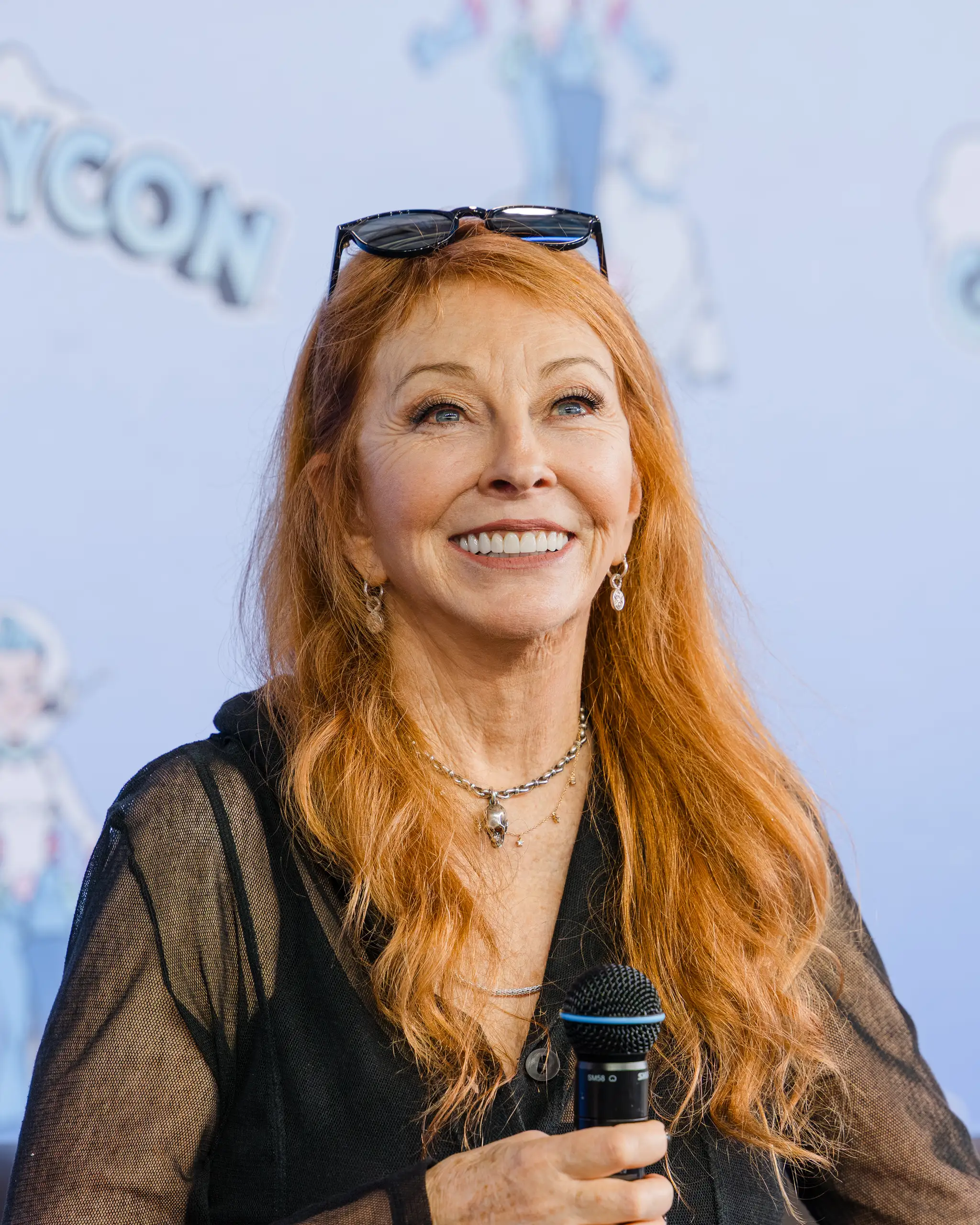
Robert Palmer
Robert Allen Palmer
Lead Vocalist
Andy Taylor
Andrew James Taylor
Guitarist
John Taylor
Nigel John Taylor
Bassist
Tony Thompson
Anthony Terrence Thompson
Drummer
Former Members
Bernard Edwards (Bernard Edwards)
Bass, Production, Management · 1984–1996 (production; bass on second album)
Musical Style
The Power Station set out to sound nothing like Duran Duran's synth-pop. Andy Taylor's hard rock guitar lines sat on top of Tony Thompson's funk-inflected drumming, and Robert Palmer's vocals brought a soul and R&B texture that neither Duran Duran nor Chic had quite delivered before. Bernard Edwards's production kept the low end prominent and the arrangements tight, with little of the gloss that marked much mid-1980s pop. The choice of covers, T. Rex's "Get It On (Bang a Gong)" and later the Isley Brothers' "Harvest for the World," showed a band comfortable drawing on glam rock and soul alike. Lyrically, the material leaned on straightforward rock and funk themes rather than the art-school pretensions sometimes associated with Duran Duran. The second album, Living in Fear, continued the formula with Bernard Edwards on bass and a replacement vocalist, but the chemistry of the original lineup was absent, and the record did not find a comparable audience.
Discography
| Title | Year |
|---|---|
| Living in Fear | 1996 |
| The Power Station | 1985 |
| Some Like It Hot | 1985 |
| Get It On (Bang a Gong) | 1985 |
| Communication | 1985 |
| Harvest for the World | 1990 |
| She Can Rock It | 1996 |
Cultural Impact
The Power Station arrived at a moment when the music industry was learning to market supergroups built from members of established acts. The band's fusion of rock, funk and soul, paired with stylish videos, helped define the visual and sonic palette of mid-1980s MTV. Its success demonstrated that a side project could rival the parent band in commercial reach, a lesson that labels and artists took note of. The group also bridged two worlds that rarely overlapped: the British new wave scene represented by Duran Duran and the American funk and R&B tradition embodied by Chic. That crossover gave the Power Station a credibility in both camps, and the singles remain fixtures on 1980s retrospectives. The band's relatively brief run, cut short by the members' other commitments and later by deaths, has kept its catalogue small but concentrated, and it is often cited in discussions of what a supergroup can achieve when the chemistry is right.
Fandom Culture
There is no official fandom name, lightstick, fan colour or organised fan-project tradition associated with the Power Station. The group predates the modern apparatus of fandom as it is understood today, and its audience was largely an extension of the existing followings of Duran Duran, Robert Palmer and Chic. Fans of the era traded cassette copies and watched the videos on MTV, and the band's music continues to circulate through streaming platforms and reissues. A 2026 remaster of "Lonely Tonight" has appeared on streaming services, and a 4CD/2LP reissue is in circulation via Rough Trade, which has introduced the catalogue to listeners who were not around for the original releases. The band's YouTube presence includes an official channel and videos, though follower counts are not prominently published. In the absence of formal fan traditions, appreciation for the Power Station tends to run through the broader retrospection of 1980s music and the solo careers of its members.
Awards & Accolades
Milestones
John Taylor, Andy Taylor and Tony Thompson begin jamming at the Power Station studio in New York; Robert Palmer joins as vocalist.
Self-titled debut album released on Capitol Records, reaching the top ten in the US and UK.
"Some Like It Hot" and "Get It On (Bang a Gong)" become hit singles with heavy MTV rotation.
Second album, Living in Fear, released with Bernard Edwards on bass and a replacement vocalist; commercial success is limited.
Bernard Edwards dies on April 18.
Robert Palmer dies on September 26; Tony Thompson dies on November 12.
Andy Taylor dies on November 25 at age 65 after a long battle with prostate cancer.
Trivia
The band is named after the Manhattan recording studio where the debut was made, not any electrical facility, a point that regularly confuses search results. Bernard Edwards is the only person to appear on both albums in different capacities: he produced the first and played bass on the second. Robert Palmer, Tony Thompson and Bernard Edwards all died within a seven-year span, in 1996, 2003 and 2003 respectively, leaving John Taylor as the surviving core member after Andy Taylor's death in November 2026. The group's second album, Living in Fear, featured a replacement vocalist after Palmer declined to return, and it met with little commercial success. A 4CD/2LP reissue of the band's catalogue has kept the music available to new listeners.
Keywords
Sources
Quick Facts
- Type
- Rock Band
- Formed
- 1984
- Origin
- New York City
- Label
- Capitol Records, Chrysalis Records
- Genres
- rock music, new wave, funk rock, blue-eyed soul
- Status
- Disbanded
Group Info
- Formed
- 1984
- Debut
- 1985-02-04
- Debut Song
- Some Like It Hot
- Origin
- New York City
- Label
- Capitol Records, Chrysalis Records
- Status
- Disbanded (1996)
Also Known As
Join the community
fans discussing