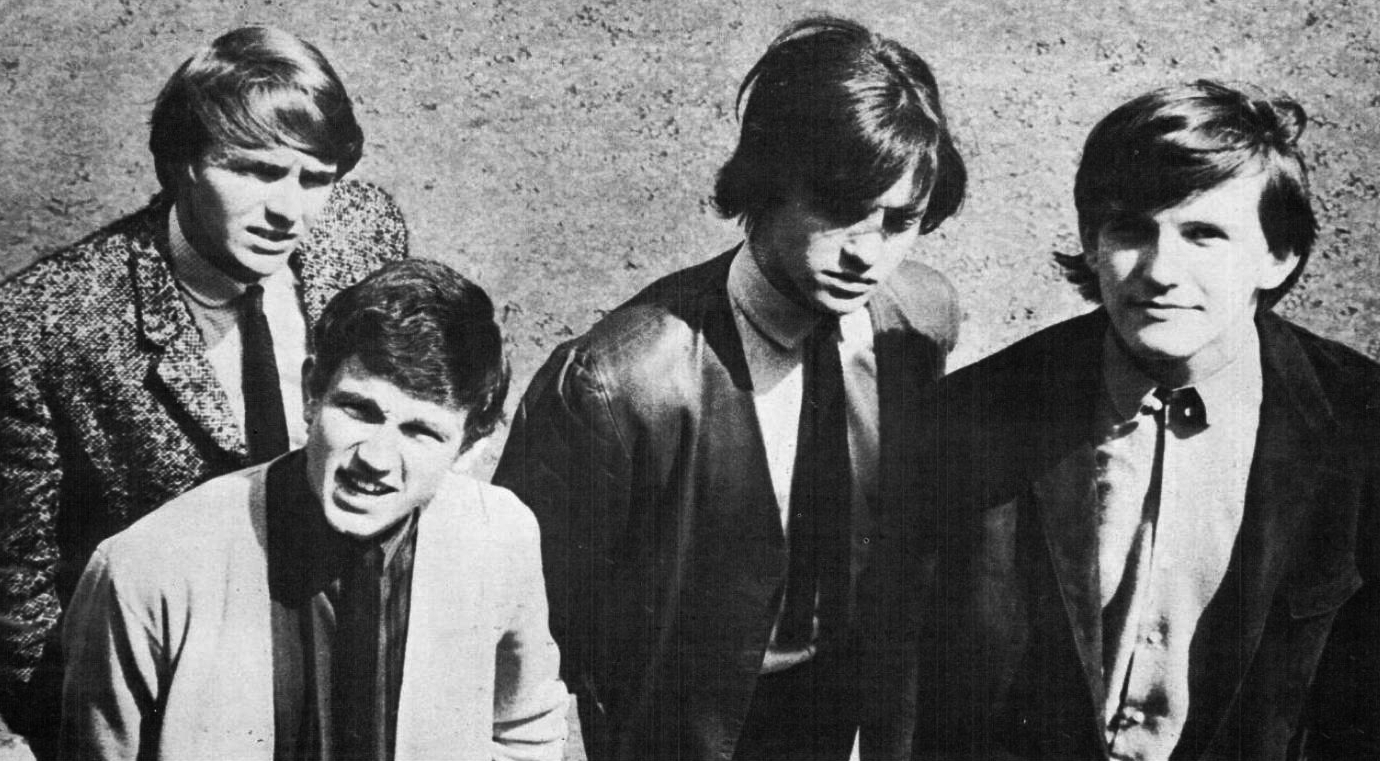
The Mindbenders
 United Kingdom
Two number-one hits from the British Invasion era
5
Members
About
The Mindbenders stand as one of the definitive acts of the mid-1960s British Invasion, delivering two distinct number-one hits on the US Billboard Hot 100. Their identity shifted dramatically after vocalist Wayne Fontana left the group in late 1965, transforming them from a backing band into a headlining pop ensemble capable of crafting sophisticated ballads alongside their earlier rock roots. Today, they are remembered not just for their chart dominance but for serving as the incubator for Eric Stewart, who would later co-found the legendary progressive pop band 10cc.
Current listeners connect with their music through streaming platforms where tracks like A Groovy Kind of Love continue to accumulate millions of plays. The group remains inactive since the early 1970s, yet their legacy endures through classic rock radio and film soundtracks. Their sound evolved from the raw energy of Merseybeat to a lush, orchestrated pop style that defined the transition period between the early 60s rock explosion and the psychedelic era.
Formation Story
Manchester produced a steady stream of talent during the early 1960s, and The Mindbenders emerged from this fertile ground in 1963. They began their career strictly as the backing group for Wayne Fontana, performing at local venues like the Cavern Club in Liverpool alongside other rising stars. Fontana provided the lead vocals while the five instrumentalists, Eric Stewart, Graham Squires, John Carruthers, Brian Hodgson, and Ian Stannard, handled the driving rhythms and harmonies that characterized the Merseybeat sound.
The turning point came when Fontana decided to pursue a solo career in late 1965. Rather than disband, the remaining members took over the reins, dropping his name from the billing to become simply The Mindbenders. This transition required a shift in musical direction. Without Fontana's distinctive nasal vocal delivery, they leaned into their own strengths, hiring session singers or rotating vocal duties among themselves to achieve a smoother, more melodic aesthetic. Their first single under the new name, A Groovy Kind of Love, released in early 1966, proved the gamble successful by topping the charts in the US. The group continued touring and recording until the early 1970s, eventually dissolving as individual members pursued diverse paths in the music industry.
Members
Former Members
Musical Style
Their early work with Wayne Fontana featured a raw, aggressive Merseybeat style heavily influenced by The Beatles and The Rolling Stones. Tracks from this era relied on driving rhythms and Fontana's unique vocal timbre to create a sense of urgency and youthful rebellion. Songs like The Game of Love showcased this harder-edged approach with simple chord progressions and powerful drumming.
After parting ways with Fontana, the group pivoted toward a softer, more polished pop sound. They adopted cleaner production techniques, utilizing string arrangements and smoother harmonies to create a lush atmosphere. This evolution is most evident in their 1966 hit A Groovy Kind of Love, which replaced the grit of their earlier recordings with a sophisticated ballad style complete with orchestral swells. This shift allowed them to capture a broader audience beyond the teen dance crowd, proving their versatility as songwriters and performers.
Discography
| Title | Year |
|---|---|
| Wayne Fontana and the Mindbenders | 1965 |
| The Mindbenders | 1966 |
| A Groovy Kind of Love | 1966 |
| The Game of Love | 1965 |
| I Need You | 1966 |
| You Can't Do That | 1965 |
Tours
Final American Tour
1966 · 25 shows
Cultural Impact
The Mindbenders played a significant role in solidifying the popularity of British rock in the United States during the height of the British Invasion. Their ability to secure two number-one singles demonstrated that British groups could dominate American charts not just with novelty acts but with genuine songwriting and performance quality. The success of A Groovy Kind of Love specifically became a cultural staple, used in countless films, commercials, and television shows over the decades.
Perhaps their most lasting impact lies in the trajectory of Eric Stewart. His time with The Mindbenders served as a crucial training ground for the innovative production and songwriting techniques he would later employ with 10cc. The connection between these two bands highlights how the British Invasion scene acted as an incubator for future musical superstars, bridging the gap between early rock and roll and the art rock of the 1970s.
Fandom Culture
As a group from the 1960s, The Mindbenders did not have a registered fandom name, lightstick, or official fan color. Fans generally identify as classic rock enthusiasts or collectors of British Invasion vinyl records. The community around their music focuses on preserving their discography and sharing covers of their songs, with modern artists frequently revisiting their catalog. Reunion concerts or tribute shows occasionally draw crowds of longtime supporters eager to hear the original recordings performed live.
Awards & Accolades
View 4 records, honours and achievementsMilestones
Formed in Manchester as Wayne Fontana's backing band
"The Game of Love" reaches #1 in the US and UK
Wayne Fontana leaves; group rebrands as The Mindbenders
"A Groovy Kind of Love" reaches #1 in the US
Death of original vocalist Wayne Fontana
Trivia
Keywords
Sources
Quick Facts
- Formed
- 1963
- Origin
- Manchester, England
- Label
- Fontana Records
- Genres
- beat music, pop rock
- Status
- Disbanded
Group Info
- Formed
- 1963
- Debut
- 1963
- Debut Song
- I'm Gonna Knock on Your Door
- Origin
- Manchester, England
- Company
- Fontana Records
- Label
- Fontana Records
- Status
- Disbanded (1970)
Also Known As
Join the community
fans discussing