 United Kingdom
About
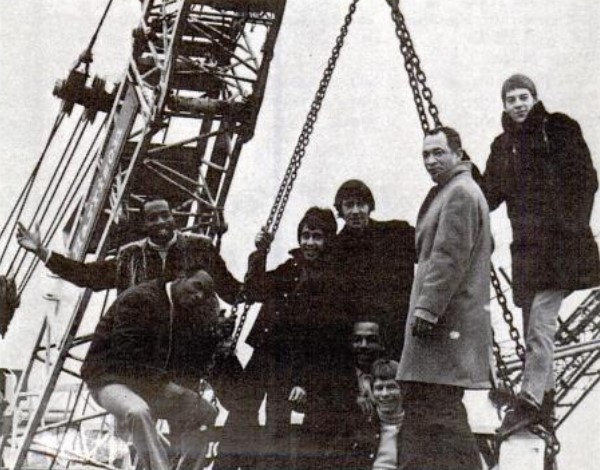
The Foundations were a British soul band active primarily between 1967 and 1970. Their distinctive sound and multi-ethnic lineup, which included members of West Indian, White British, and Sri Lankan heritage, set them apart in the late 1960s music scene. The group is historically significant as the first multi-racial band to achieve a number one hit in the United Kingdom during the 1960s. This landmark achievement came with their debut single, "Baby Now That I've Found You," released in 1967, which topped the charts in the UK and Canada and reached number eleven in the US. They were celebrated for their authentic take on the British soul sound, often drawing comparisons to the iconic Motown artists.
Their success continued with another major hit, "Build Me Up Buttercup," in 1968, which climbed to number two in the UK and number three on the US Billboard Hot 100. Though their time as a band was relatively short, The Foundations left a lasting impression with their chart-topping singles and pioneering role in music. They were signed to Pye Records, a prominent label in the UK, and their music continues to be appreciated for its soulful melodies and energetic delivery.
Formation Story
The Foundations came together in London in January 1967, with members recruited through advertisements placed in Melody Maker. Rehearsals began in the basement of a coffee bar in Bayswater, which is where the band got its name. Initially, the group struggled to gain traction and even performed an audition at the famous Marquee Club. Their fortunes changed when record dealer Barry Class spotted them performing at the Butterfly club. Class took on management duties and arranged a meeting with Pye Records producer Tony Macaulay. Macaulay, along with John MacLeod, then penned "Baby Now That I've Found You," which would become their breakthrough hit.
The original lineup featured a diverse mix of musicians, including Clem Curtis on lead vocals, Alan Warner on lead guitar, Peter Macbeth on bass, Tim Harris on drums, Tony Gomez on keyboards, and Pat Burke and Mike Elliott on saxophone. The group's multi-racial composition was a notable aspect from the outset. After the immense success of "Baby Now That I've Found You," the band continued to record, releasing "Back on My Feet Again" and the global smash "Build Me Up Buttercup." However, internal changes occurred, with Clem Curtis departing in late 1968, and Colin Young stepping in as the new lead vocalist. Despite continued success with singles like "In the Bad, Bad Old Days (Before You Loved Me)" in 1969, the band eventually disbanded around the end of 1970.
Members
Musical Style
The Foundations were primarily known for their British soul sound, often drawing comparisons to the American Motown artists. Their music incorporated elements of R&B and pop, characterized by strong vocal performances, catchy melodies, and a driving rhythm section. The band featured a robust horn section, with experienced jazz musicians like Pat Burke and Mike Elliott contributing to their arrangements, adding a layer of sophistication and authenticity to their sound. Their early hits, such as "Baby Now That I've Found You," were marked by a throaty vocal style, prominent organ, handclaps, brass arrangements, and an infectious beat.
Lyrical themes often revolved around love and relationships, delivered with earnest emotion. While their sound was rooted in soul, they also achieved significant pop success, demonstrating their ability to craft accessible and memorable songs. This blend of authentic soul influences with pop sensibilities allowed them to connect with a broad audience, both in the UK and internationally.
Discography
| Title | Year |
|---|---|
| Live on Air | 2023 |
| Digging the Foundations | 1969 |
| Build Me Up Buttercup | 1968 |
| Back on My Feet Again | 1968 |
| Rocking the Foundations | 1968 |
| Build Me Up Buttercup | 1968 |
| Baby Now That I've Found You | 1967 |
| From the Foundations / Baby, Now That I've Found You | 1967 |
Tours
American Tour
1969
American Tour
Unknown
Cultural Impact
The Foundations made a significant cultural mark by being the first multi-racial group to achieve a number one hit in the UK during the 1960s. This was a considerable achievement in an era when racial integration in popular music was still developing, paving the way for future diverse groups. Their success demonstrated that talent and musical appeal could transcend racial barriers on the charts.
Beyond their pioneering status, The Foundations were instrumental in bringing a credible British take on the soul music genre to a global audience. They successfully emulated the polished sound of American soul music, proving that British artists could compete at the highest level. Their music, particularly "Build Me Up Buttercup," has endured in popular culture, frequently appearing in films and television shows, and remains a beloved track for many.
Fandom Culture
While The Foundations were a popular group during their active years, specific details about a dedicated fandom culture, such as an official fandom name, lightstick, or fan traditions, are not widely documented. Their primary impact was through their chart success and pioneering role as a multi-racial band in the 1960s. Fan appreciation in that era was largely expressed through record sales, radio play, and attendance at live performances. The enduring appeal of their hit songs suggests a continued appreciation among music lovers, though a formalized fan community structure from their time is less clear.
Awards & Accolades
View 6 records, honours and achievementsMilestones
Released "Baby Now That I've Found You", which became a UK and Canadian number one hit and the first number one by a multi-racial group in the UK.
Released "Build Me Up Buttercup", achieving major international success.
Released the hit single "In The Bad Bad Old Days (Before You Loved Me)".
The group disbanded.
Trivia
Diverse Lineup: The Foundations were notable for their multi-ethnic lineup, comprising members of West Indian, White British, and Sri Lankan heritage, making them one of the first such groups to achieve major chart success., Name Origin: The band's name, "Foundations," was inspired by their early rehearsal space, which was located in the basement of a coffee bar., Lead Singer Change: Original lead singer Clem Curtis left the band in late 1968, not long after their initial success, and was replaced by Colin Young., Jazz Roots: The horn section featured experienced jazz musicians, including Pat Burke and Mike Elliott, contributing a sophisticated element to their soul sound., Chart Success: Both "Baby Now That I've Found You" and "Build Me Up Buttercup" achieved significant chart success, reaching top positions in the UK, Canada, and the US.
Keywords
Sources
Quick Facts
- Formed
- January 1967
- Origin
- London, England
- Label
- Pye Records
- Genres
- Soul, Pop, R&B
- Disbanded
- 1970
Group Info
- Formed
- January 1967
- Debut
- 1967
- Debut Song
- "Baby Now That I've Found You"
- Origin
- London, England
- Company
- Pye Records
- Label
- Pye Records
- Status
- Disbanded (1970)
Social Media
Join the community
fans discussing