 Japan
JapanAbout
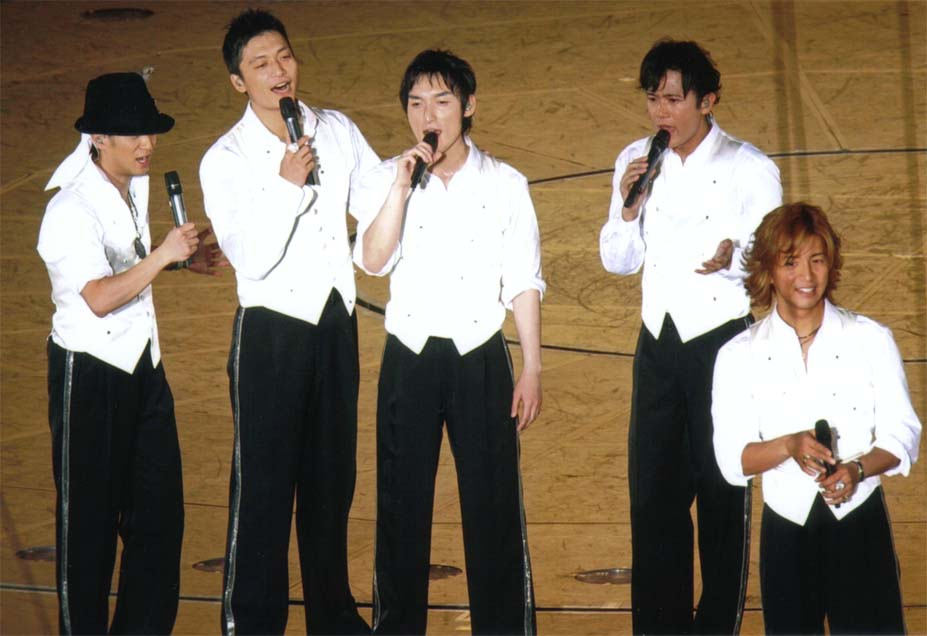
As of their final days, SMAP stood as the most commercially successful musical group in Japanese history. Their identity was built on versatility; members acted in hit dramas, hosted variety shows, and performed concerts that filled stadiums across the nation. The group operated under Victor Entertainment and maintained a unique position where they were treated not just as entertainers but as cultural assets. Fans revered them for their longevity and their ability to evolve alongside changing social trends in Japan.
The lineup of five members, Nakai, Kimura, Inagaki, Kusanagi, and Katori, created a dynamic balance. Nakai served as the leader and center, guiding the group through nearly thirty years of activity. Katori, the eldest member, often handled visual duties and lead vocals, while Inagaki brought rap elements and comedic timing. Their sound shifted from energetic dance tracks in the early nineties to sophisticated ballads and rock-infused pop in later years. This adaptability kept their fan base broad, spanning generations rather than just targeting teenagers.
Formation Story
Johnny Kitagawa assembled the original six members in April 1988 at his talent agency, Johnny & Associates. The group included Masahiro Nakai, Takuya Kimura, Goro Inagaki, Tsuyoshi Kusanagi, Shingo Katori, and Katsuyuki Mori. Kitagawa named them SMAP, an acronym standing for "Sports Music Assemble People," signaling a desire for the members to excel beyond singing. The group spent three years training in dance, vocal performance, and variety skills before making their public debut.
Their debut single, "Can't Stop!!-LOVING-," arrived on September 9, 1991, marking the start of a relentless chart run. Early success came quickly, but the group faced internal changes in 1996 when Katsuyuki Mori left due to health issues and personal reasons. The remaining five members continued as a quintet, solidifying their chemistry. That same year, they launched SMAP×SMAP, a variety show that would become the backbone of their fame. The show allowed them to showcase cooking segments, celebrity interviews, and live performances, drawing viewers who might not have been interested in their music alone.
Members
Former Members
Musical Style
SMAP's discography spans three distinct eras of sound. Their early work from 1991 to 1995 focused on upbeat dance-pop and theatrical arrangements designed for teenage fans. Tracks like "Aitakute..." featured bright synthesizers and catchy hooks typical of the era. As the group matured, their music incorporated more emotional depth and rock influences. The 2003 hit "Sekai ni Hitotsu Dake no Hana" (Only One Flower in the World) marked a turning point, becoming an anthem used for disaster relief and school events.
In their later years, the band blended retro city pop sounds with modern production techniques. Albums like Smack! and One showcased polished pop-rock arrangements. They frequently experimented with electronic beats and orchestral strings, ensuring their sound remained fresh. Lyrically, they moved from simple love songs to themes of friendship, resilience, and national pride, reflecting the experiences of their aging fan base.
Discography
| Title | Year |
|---|---|
| First Time | 1991 |
| Let It Beep! | 1992 |
| Cool Smap | 1993 |
| Smap Vest | 1994 |
| E | 1995 |
| Love | 1996 |
| Smap 007 | 1997 |
| Burning | 1998 |
| Super Mod | 1999 |
| Lion Heart | 2000 |
| Sekai ni Hitotsu Dake no Hana | 2003 |
| Shake | 2010 |
| Inazuma | 2011 |
| Happiness | 2013 |
| World on Fire | 2016 |
Tours
SMAP 007 Tour
1997 · 15 shows
SMAP 010 Tour
2000 · 20 shows
SMAP 016 Tour
2006 · 25 shows
SMAP 25th Anniversary Concerts
2016 · 30 shows
Cultural Impact
The group fundamentally changed how Japanese entertainment operates. Before SMAP, idols were often confined to music and limited media appearances. SMAP proved that a group could dominate television ratings, box office sales, and music charts simultaneously. Their variety show SMAP×SMAP introduced formats like celebrity cooking challenges that influenced countless subsequent programs. The show ranked number one in household ratings for eleven consecutive years.
They also played a significant diplomatic role during tense periods in East Asian relations. Performances in China and South Korea helped foster goodwill between nations. The song "Sekai ni Hitotsu Dake no Hana" entered elementary school textbooks, ensuring children learned it regardless of their interest in pop music. This integration into daily life cemented their status as a national institution rather than just a commercial product.
Fandom Culture
Fans called themselves Smap-kan, a name derived from the group's title. The official fan color is Royal Blue, and supporters waved blue lightsticks during concerts to create synchronized sea-like waves. Traditions included gathering outside venues hours before shows to welcome the members. During the 2011 Tohoku earthquake, fans organized massive fundraising campaigns, raising millions of yen for relief efforts. These actions demonstrated the deep bond between the group and their supporters, who viewed the band as a source of comfort and hope.
Awards Won (172)
SMAP dominated Japanese award ceremonies throughout their career. They won the Grand Prix at the Japan Record Awards multiple times, including for "Sekai ni Hitotsu Dake no Hana" in 2003. The group received numerous Japan Gold Disc Awards for Album of the Year and Best Artist. Their consistency earned them recognition from MTV Video Music Awards Japan and Space Shower Music Awards. Television accolades included the Tokyo Drama Award for SMAP×SMAP. In 2014, the entire group received the Order of the Rising Sun, a rare honor for entertainers.
Japan Record Awards
for: Sekai ni Hitotsu Dake no Hana
for: SMAP 25 Years
Japan Gold Disc Awards
for: Smap 010
MTV Video Music Awards Japan
for: Shake
Space Shower Music Awards
for: Inazuma
Government Honor
for: Cultural Contribution
for: SMAP
for: SMAP
for: SMAP
for: SMAP 008: Taxomax
Milestones
Debut with "Can't Stop!!-LOVING-"
Launch of SMAP×SMAP and departure of Katsuyuki Mori
Release of "Sekai ni Hitotsu Dake no Hana"
Awarded Order of the Rising Sun
Disbandment after contract dispute
Trivia
SMAP holds the record for the most number-one singles by a Japanese group, with 22 consecutive chart-topping releases., The group's name stands for "Sports Music Assemble People," reflecting their diverse talents., "Sekai ni Hitotsu Dake no Hana" is the best-selling single of the 21st century in Japan, moving over 2.5 million copies., All 55 of their singles reached the top 10 on the Oricon charts, a feat unmatched by any other artist., The group disbanded following a contract dispute with Johnny & Associates, marking the first major split in the agency's history.
Keywords
Sources
Quick Facts
- Formed
- April 14, 1988
- Origin
- Tokyo, Japan
- Label
- Victor Entertainment
- Genres
- J-pop, Pop Rock
- Disbanded
- December 31, 2016
Group Info
- Fandom
- Smap-kan
- Formed
- April 14, 1988
- Debut
- September 9, 1991
- Debut Song
- Can't Stop!!-LOVING-
- Origin
- Tokyo, Japan
- Company
- Johnny & Associates
- Label
- Victor Entertainment
- Fan Color
- Royal Blue
- Lightstick
- Blue Star Lightstick
- Status
- Disbanded (December 31, 2016)
Social Media
Also Known As
Join the community
fans discussing