 DR Congo
About
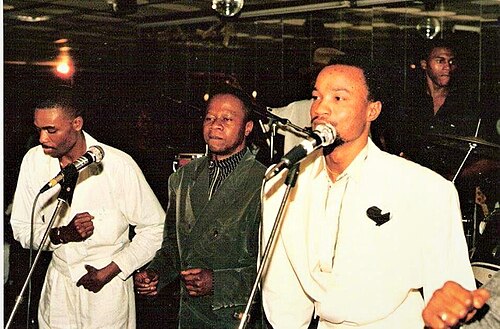
Quartier Latin International functions primarily as the artistic vessel for Koffi Olomide, who serves as the undisputed leader and creative engine. The group is currently active and continues to perform globally, drawing from a vast catalog of hits that define the golden era of African pop. Their current lineup consists of session musicians and dancers selected to replicate the high-energy spectacle of their past performances while adapting to modern production standards.
Fans recognize the group not just for their music but for their visual presentation. The ensemble is famous for its choreographed routines and flamboyant stage costumes, which set fashion trends throughout the 1990s. Despite the revolving nature of the backing band members, the core identity remains tied to Olomide's voice and songwriting. They are celebrated for maintaining relevance for over 35 years, a feat few artists in any genre can claim.
Formation Story
Koffi Olomide established Quartier Latin in 1986 after leaving the renowned band Zaiko Langa Langa. A dispute regarding leadership and musical direction prompted his departure, leading him to form his own orchestra in Kinshasa. Unlike groups formed through open auditions, this new entity was built on Olomide's direct recruitment of talented musicians and dancers from the vibrant local scene. He sought to create a project where he held complete artistic control.
The debut album Sangue dropped shortly after the formation, showcasing a blend of traditional Congolese rumba and emerging influences. Early years were defined by this foundational sound, which gradually evolved as Olomide experimented with faster rhythms. The band quickly gained traction in Zaire, setting the stage for international expansion. By the late 1980s, they had become a dominant force in the region, paving the way for the explosive success that would follow in the next decade.
Members
Former Members
Maurice Tshala Muana (Maurice Tshala Muana)
Guitarist · 1986–1992
Tshimanga (Jean-Pierre Tshimanga)
Drummer · 1986–1995
Musical Style
The musical journey of Quartier Latin began with roots in traditional soukous and rumba. Early albums like Bamboula featured acoustic guitars and brass sections playing at slow-to-mid tempos. This period established their reputation as masters of the classic Congolese guitar style. The instrumentation relied heavily on live percussion and melodic interplay between guitarists.
A radical shift occurred in the early 1990s with the introduction of ndombolo. Olomide accelerated the tempo and introduced complex hip-shaking movements that became synonymous with the band. Synthesizers and drum machines replaced some acoustic elements, creating a more electronic and driving sound. Hits like Amina and Femme defined this era, making the group a sensation across Africa and Europe. Recent work blends Afro-pop and R&B while retaining the signature rhythmic core that fans expect.
Discography
| Title | Year |
|---|---|
| Kinshasa | 2022 |
| Eternel | 2018 |
| Mokili | 2015 |
| Liberté | 2010 |
| Roi | 2006 |
| Congo | 2003 |
| Mama | 2000 |
| Sakata | 1998 |
| Maman | 1996 |
| Lola | 1994 |
| Femme | 1992 |
| Amina | 1991 |
| Bamboula | 1987 |
| Sangue | 1986 |
Tours
Global Arena Tours
2000s–2010s · 150 shows
King of Rumba Tour
1990s · 300 shows
Legacy Tour
2024 · 20 shows
Cultural Impact
Quartier Latin fundamentally changed African music culture by launching the ndombolo phenomenon. This dance style became a continental obsession, influencing everything from street fashion to social gatherings across the continent and the Caribbean. The band's influence extended beyond audio; Olomide's flamboyant wardrobe choices set trends that many contemporary African artists still emulate. Their ability to bridge traditional rhythms with modern production techniques opened doors for future generations of African musicians.
The group also played a significant role in cultural diplomacy. During periods of political instability in the Democratic Republic of the Congo, their music served as a unifying force. Concerts brought together diverse audiences, promoting peace and unity through shared cultural experiences. Their longevity has made them a living archive of African musical evolution, preserving styles while constantly innovating.
Fandom Culture
Supporters of the band refer to themselves as Les Amis de Koffi or simply QLI Fans. The community is characterized by high energy and deep loyalty to the leader's legacy. Traditional fan colors are red and gold, reflecting the national flag of the DRC and symbols of royalty. While there is no standardized lightstick, fans often wave flags and banners during concerts.
Concert traditions involve energetic participation in ndombolo dancing. Fans frequently organize social media challenges dedicated to Olomide's specific choreography. The fandom maintains an active presence online, sharing archival footage and celebrating new releases with enthusiasm. Their dedication ensures that the band's legacy remains vibrant among younger generations.
Awards Won (52)
Quartier Latin and Koffi Olomide have secured numerous accolades throughout their career, dominating African music ceremonies. They have won multiple Grand Prix du Disque Africain awards for Best Soukous and Song of the Year. The group received recognition from MTV Africa Music Awards, taking home Best Male Artist and Best Live Performance titles. French institutions honored them with Victoires de la Musique for Best African Album. National honors include the Congolese Order of Merit for cultural contributions.
Platinum Certification
for: Congo
Best Male Artist
for: N/A
Best Live Performance
for: Live in Kinshasa
Best Soukous Album
for: Mokili
Best Song of the Year
for: Sakata
Best African Album
for: Liberté
Cultural Contribution
for: Lifetime Achievement
Milestones
Formation of Quartier Latin by Koffi Olomide
Release of Amina, launching the ndombolo craze
First major stadium tour in Europe
Global recognition as ambassadors of African music
Continued touring and release of new material proving enduring relevance
Trivia
The name 'Quartier Latin' was chosen by Koffi Olomide to symbolize the intellectual and artistic vibrancy of the Parisian district, reflecting the band's ambition for global sophistication., The ndombolo dance style created by the group sparked controversies in several countries where it was deemed too suggestive, leading to temporary bans on certain performances., Koffi Olomide has collaborated with international stars like Shaggy and Wyclef Jean, successfully bridging African and Caribbean music scenes., Many contemporary African artists cite Koffi Olomide as their primary inspiration, including major stars like Fally Ipupa and Papa Wemba., The band holds Guinness World Records for having the largest concert attendance in Africa for a single artist during a 1990s performance in Kinshasa.
Keywords
Sources
Quick Facts
- Formed
- 1986
- Origin
- Democratic Republic of the Congo
- Status
- Active
- Key Member
- Koffi Olomide
- Genre
- Soukous / Rumba
Group Info
- Fandom
- Les Amis de Koffi
- Formed
- 1986
- Debut
- 1986
- Debut Song
- Sangue
- Origin
- Democratic Republic of the Congo
- Company
- Quartier Latin Productions
- Label
- Universal Music Group / EMI (Historical)
- Fan Color
- Red and Gold
- Status
- Active
Social Media
Also Known As
Join the community
fans discussing